Always turn off the breaker before handling any power points to avoid shocks or short circuits. Use a voltage tester to confirm that the terminals are completely de-energized before touching wires.
Identify the hot, neutral, and ground conductors by color coding: black or red for live, white for neutral, and green or bare for grounding. Ensure each wire is stripped to the correct length, typically 1/2 inch, to fit securely under the terminal screws.
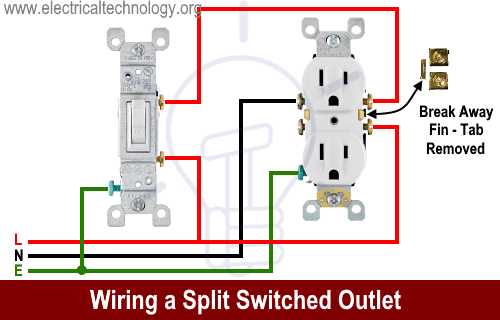
When attaching cables to a duplex or single receptacle, connect the hot conductor to the brass terminal, the neutral to the silver terminal, and the ground to the green screw. Tighten all screws firmly to prevent loose connections that can cause sparks or overheating.
After securing the conductors, gently push the assembly back into the junction box without kinking the cables. Use a non-contact tester to verify proper voltage and polarity before installing the cover plate and restoring power.
Regular inspection of terminals for discoloration or corrosion helps maintain safe performance. Replace any receptacles showing burn marks or loose contacts to prevent fire hazards and ensure reliable operation of connected devices.
Connecting Electrical Receptacles Safely
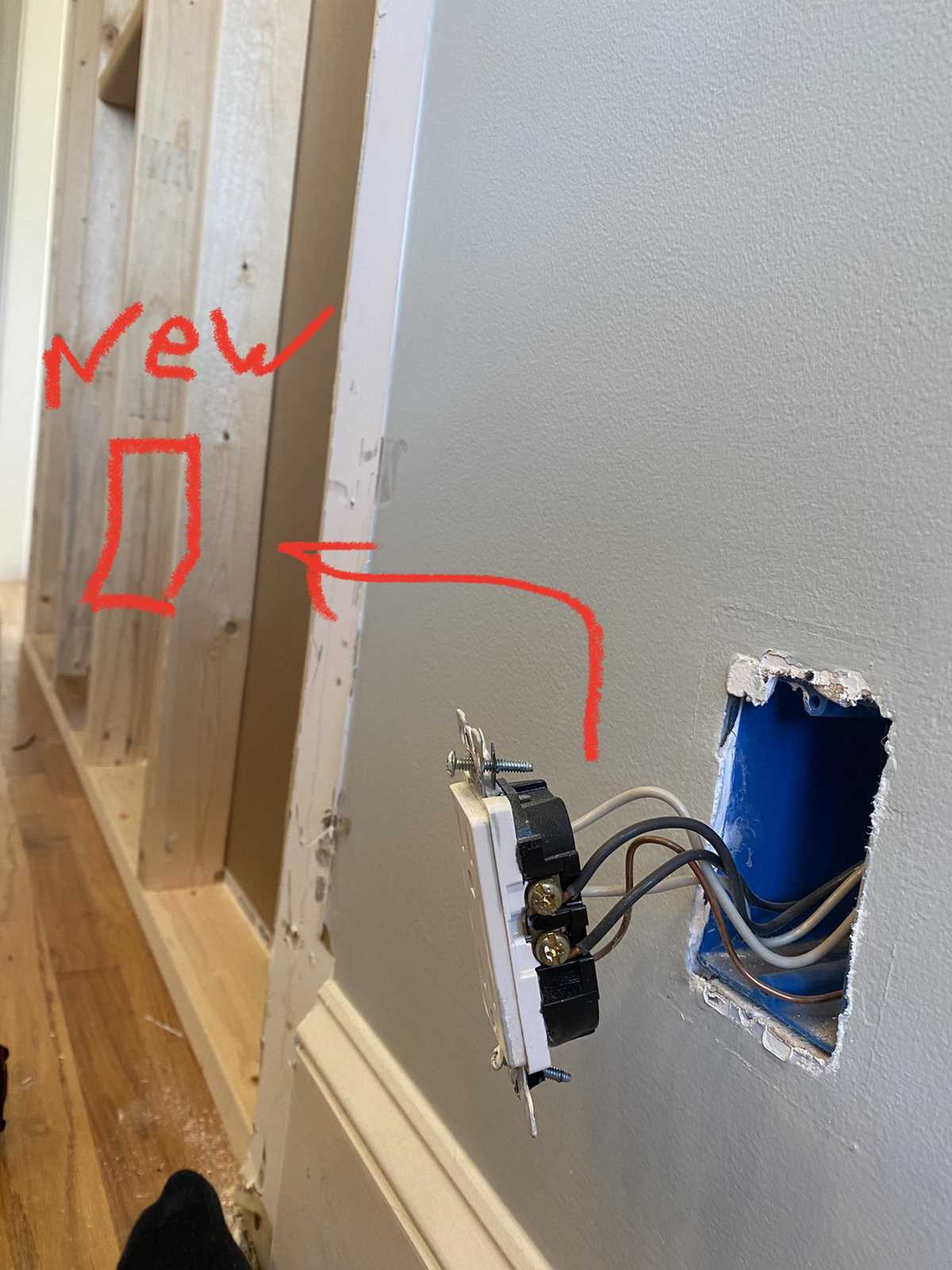
Turn off the circuit breaker and verify with a non-contact tester before handling any terminals. Strip each conductor to 1/2 inch and attach the black or red wire to the brass screw, white wire to the silver screw, and green or bare wire to the grounding screw. Ensure screws are tight and wires sit flush without overlapping to prevent overheating or short circuits.
For multiple receptacles on a single run, use pigtail connections to maintain consistent voltage across devices. Avoid bending the cables sharply, and check that each junction is securely fastened inside the box. After installation, test each connection with a voltage tester to confirm proper polarity and continuity before restoring power and installing the faceplate.
Identifying Hot Neutral and Ground Wires in Receptacles
Always turn off the main breaker before inspecting any terminals. Use a non-contact voltage tester to ensure there is no live current before touching conductors.
Examine the color coding carefully:
- Black or red: live conductor carrying current to the device
- White: neutral return path
- Green or bare: grounding conductor for safety
Strip each conductor approximately 1/2 inch to allow secure contact under the terminal screws. Avoid nicking the copper strands, which can weaken the connection.
For older installations, verify the neutral wire with a multimeter, as some may be marked differently. Label any wires that are not clearly color-coded to prevent mistakes during reconnection.
When multiple receptacles share the same run, connect each live and neutral wire with a pigtail to maintain uniform current distribution. Ground wires should be twisted together with a wire nut for a stable earth connection.
Check for signs of wear or corrosion on all terminals. Replace any receptacles showing darkened screws, frayed insulation, or loose connections before proceeding.
After attaching conductors, push the assembly gently back into the box without bending wires sharply. Secure screws evenly to prevent any gaps or loose contacts.
Finally, restore power and test each terminal with a voltage tester. Confirm that live and neutral are correctly positioned and that the grounding path is continuous to ensure safe operation of connected devices.