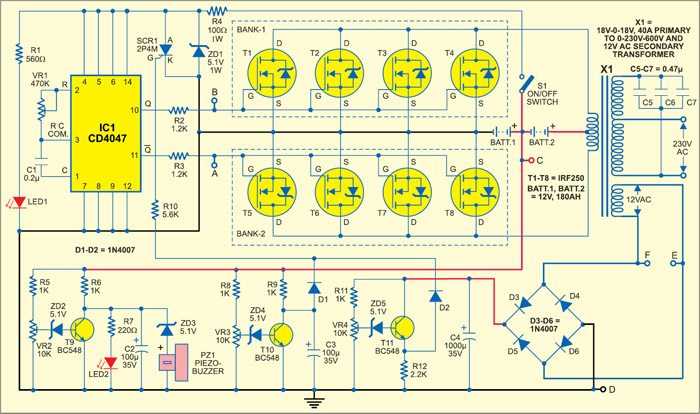
Connect each transistor module to the control board according to pin labels. The gate must receive the correct pulse voltage, the collector links to the high voltage bus, and the emitter completes the low side path. Verify all solder joints are clean and free of cold connections before powering the setup.
Use appropriate snubber components across each module to limit voltage spikes. Capacitors and resistors rated for the operating voltage reduce stress on the switches and prevent premature failure. Ensure placement close to the terminals for maximum effectiveness.
Check the power supply alignment and polarity. Reverse connections can damage semiconductors instantly. Measure the DC bus voltage and confirm it matches the rated input for the assembly before enabling any load.
Install protective fuses or circuit breakers. These should match the maximum current rating of the modules to prevent overheating and fire hazards. Test the breakers independently to ensure they trip under overcurrent conditions.
IGBT Inverter Assembly Step by Step Guide for Correct Component Connections
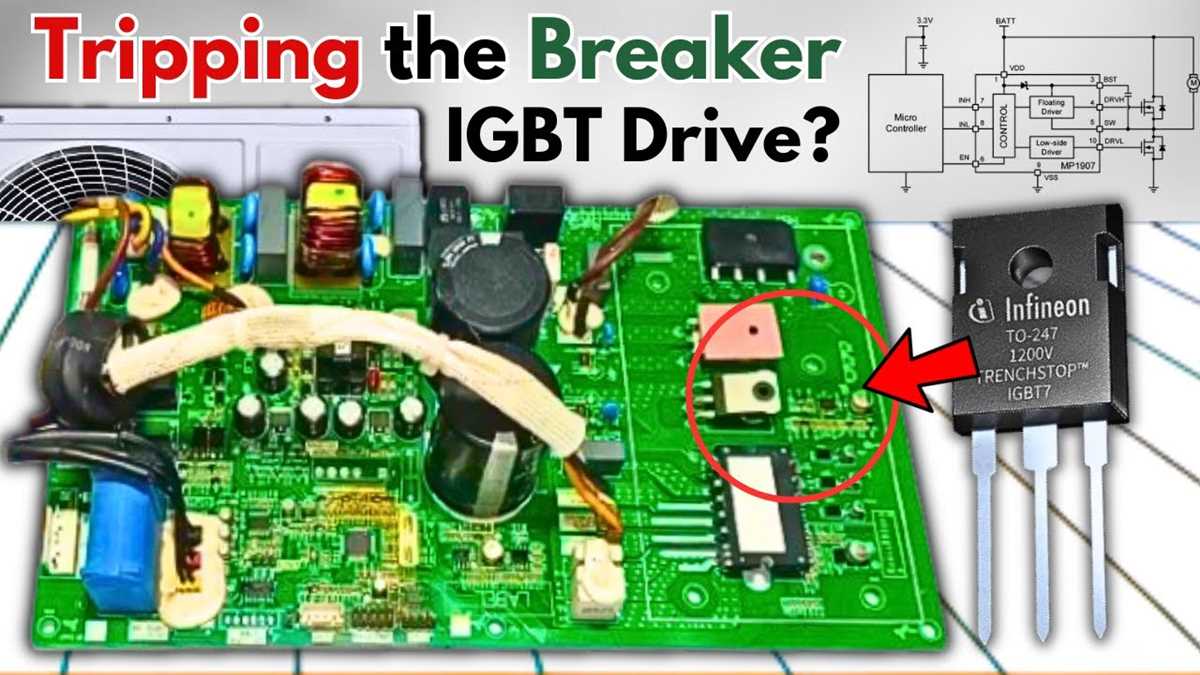
Identify all semiconductor modules and verify pin configuration. The collector, gate, and emitter must align with the driver board markings. Use a multimeter to check continuity and confirm no short exists between terminals before soldering or clamping.
Install gate resistors close to each switch terminal. This limits inrush current and controls switching speed. Choose values matching the module’s rated gate capacitance to prevent oscillations and overheating.
Connect the high voltage bus to the collector terminals carefully. Ensure the bus is insulated and secured to avoid accidental contact with surrounding components. Use heat-resistant sleeves on all connections exposed to thermal stress.
Link the emitter terminals to the low side return path. Maintain equal length conductors to reduce voltage imbalances. Tighten all screws gradually while confirming that the conductors remain fully seated in their clamps.
Install snubber networks across each module. Combine resistors and capacitors rated for the switching voltage to absorb spikes and reduce ringing. Position components as close as possible to the terminals for maximum protection.
Attach the driver signals to each gate securely. Ensure the polarity of pulse signals matches the module specifications. Cross-check the driver’s voltage limits against the switch rating to prevent damage during operation.
Test the assembly with a low voltage supply first. Measure voltage across each module and confirm switching behavior with an oscilloscope. Only increase to full operating voltage after verifying continuity, insulation, and proper pulse response to ensure safe and reliable function.
Identifying Switch Pins and Control Terminals
Check the module labeling before making connections. Each semiconductor device has three terminals: collector, gate, and emitter. Use a datasheet to confirm their positions, as incorrect identification can cause immediate failure during operation.
Verify connections with a multimeter. Measure resistance between terminals to ensure the gate is isolated from the collector and emitter. A low reading indicates a possible short that must be corrected before assembly.
- Collector connects to the high voltage bus.
- Gate receives the control pulse from the driver board.
- Emitter completes the low side return path.
Mark each terminal with temporary labels or colored tape when preparing multiple modules. This prevents confusion and ensures consistent assembly across the full system.
- Place the module on a non-conductive surface.
- Connect the collector to the power rail securely.
- Attach the gate lead to the driver output with correct polarity.
- Link the emitter to the return path and verify continuity.
- Repeat the verification with a test pulse before full operation.