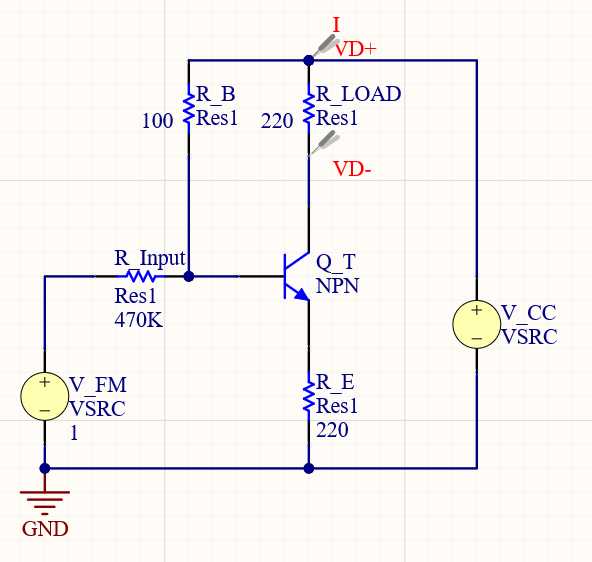
Ensure power supply levels match the specifications for the signal generator and modulator. Use a regulated source to prevent fluctuations that could distort the output waveform. Employ a filter capacitor rated at least 25% higher than the operating voltage to stabilize transient spikes.
Connect the modulation input before the carrier amplifier stage to maintain signal integrity. Verify the polarity of all connections and confirm that resistors and capacitors follow the recommended tolerance values to avoid frequency drift.
Use precision trimmers or variable resistors to fine-tune the output range. Adjust the biasing of the active components gradually while monitoring the waveform on an oscilloscope to ensure linear response without clipping or distortion.
Shield sensitive components from external electromagnetic interference. Position the modulator and signal generator in metal enclosures or use grounded shielding to reduce noise pickup and maintain consistent signal amplitude across the entire operating range.
Frequency Modulation System Setup and Troubleshooting
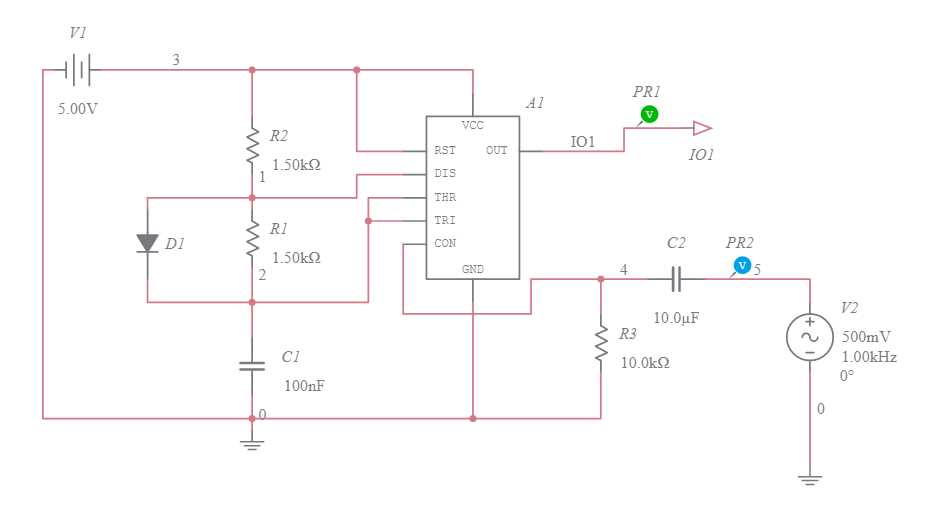
Start by verifying power supply stability. Ensure that all active components receive a regulated voltage within ±5% of the rated value. Use a digital multimeter to check each rail before engaging the system.
Check input signal integrity. The control waveform should have clean edges and minimal noise. Employ a low-pass filter if high-frequency interference is present to maintain a consistent output response.
Confirm all component placements. Resistors, capacitors, and inductors must match the specified ratings. A misplaced capacitor in the signal path can shift operating ranges and reduce system linearity.
Adjust biasing gradually. Use precision potentiometers to set the operating points for transistors or operational amplifiers. Monitor the output waveform with an oscilloscope to avoid distortion or clipping.
Inspect interconnections and solder joints. Cold or weak connections can produce intermittent modulation and unstable performance. Reflow any suspicious joints and verify continuity with a multimeter.
Shield sensitive traces. Place the system inside grounded enclosures or use coaxial connections for critical paths. Minimize loop areas to reduce pickup from nearby switching devices or fluorescent lighting.
Test the system under load. Connect a representative load and observe behavior across the expected range. Look for unexpected drift, oscillations, or amplitude variations that may indicate component degradation or insufficient decoupling.
Document all adjustments. Record the positions of trimmers, measured output levels, and test conditions. This creates a baseline for future troubleshooting and ensures repeatable setup in case of system modifications.
Choosing Components for Stable Frequency Control
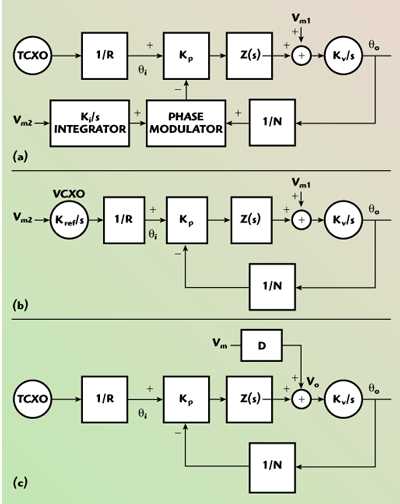
Select precision resistors and capacitors. Components with tight tolerances under ±1% help maintain consistent timing characteristics and minimize drift caused by temperature changes or aging.
Use high-quality active elements such as operational amplifiers with low offset voltage and minimal input bias current. These characteristics reduce deviations in the output and maintain linear performance across the intended operating range.
Consider temperature-stable inductors and crystals. For resonant networks, choose devices with low thermal coefficient ratings. This ensures that the signal remains within specified bounds under varying environmental conditions.
Integrate proper decoupling and bypass capacitors near power pins. Placing 0.1 µF ceramic capacitors in parallel with larger electrolytics suppresses supply fluctuations and noise, preserving stable operation during transient loads and switching events.