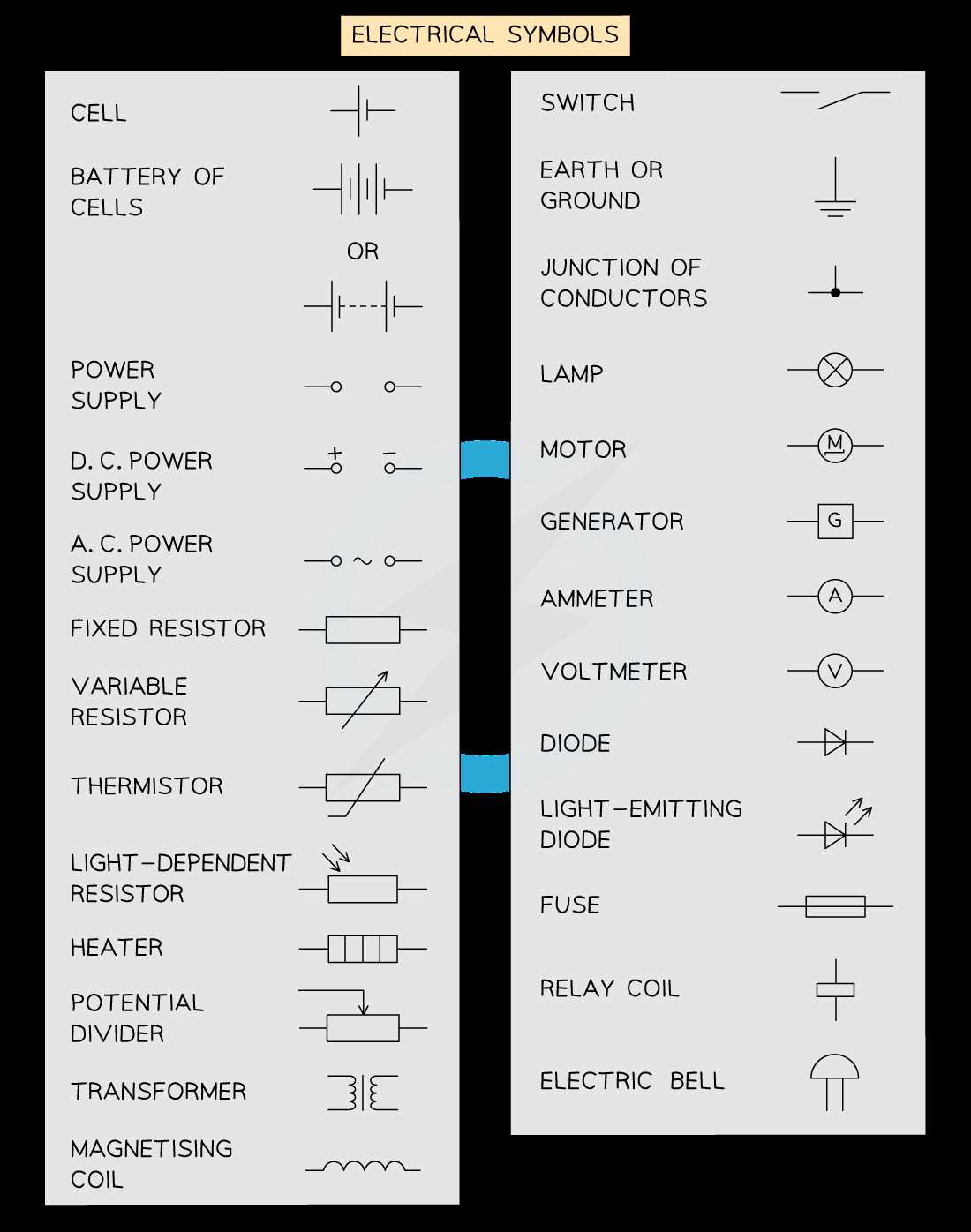
Start by memorizing standard shapes for resistors, capacitors, and inductors to quickly identify them in schematics. Each shape conveys specific properties such as resistance in ohms, capacitance in farads, or inductance in henrys, which helps in analyzing energy flow and predicting behavior under different voltages.
Pay attention to the orientation and connection points of switches, relays, and power sources. A simple change in position can indicate open or closed states, which affects how current travels through the network. Marking these clearly on your layout prevents errors during assembly or testing.
Ground references and signal paths must be recognized accurately to avoid short circuits and ensure correct voltage levels. Use consistent notation for reference points and trace each path to understand how signals propagate across multiple components, which is critical for troubleshooting and optimization.
Labeling component values directly on your sketches improves readability and reduces mistakes. Include ratings like voltage, current, and tolerance next to the respective shapes to create a reliable reference that can guide construction, inspection, and maintenance.
Understanding Component Representations in Layouts
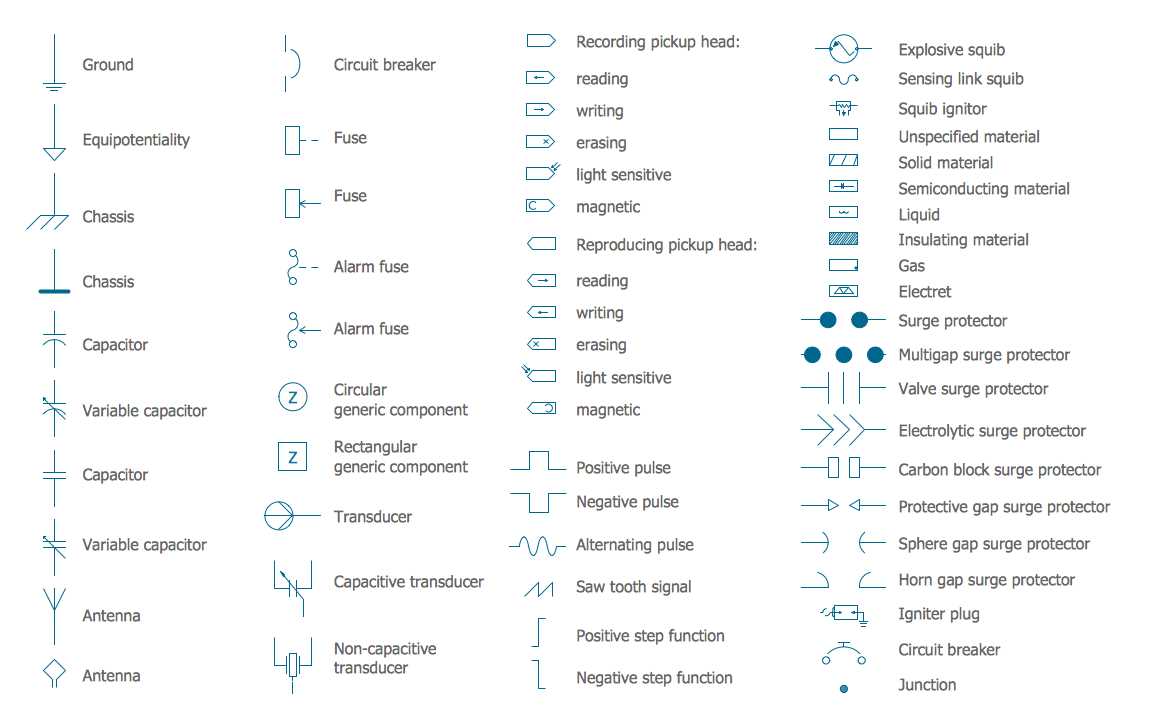
Start by identifying resistors, capacitors, and inductors using their standard shapes. Resistors are often drawn as zigzag lines or rectangles, capacitors appear as parallel lines with spacing, and inductors are shown as loops or coils. Recording these accurately ensures correct energy calculations and load predictions.
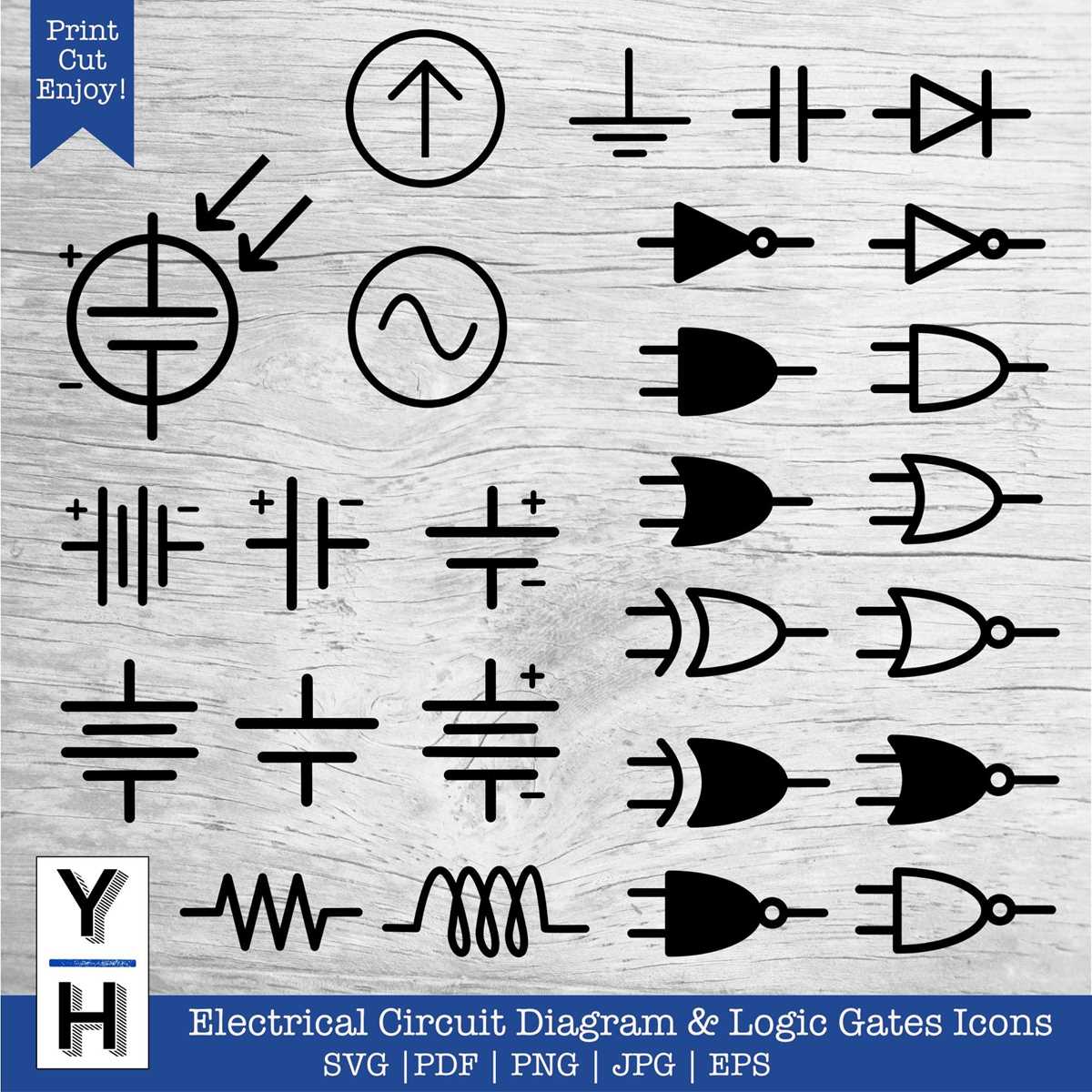
Mark switches, relays, and power inputs clearly on your schematics. Use consistent notation to indicate open, closed, or momentary contacts. This helps trace current paths and avoid miswiring during assembly. A recommended approach is:
- Label each switch with its function and state
- Note voltage ratings for power sources directly beside their shapes
- Highlight control relays to visualize automated operations
Track ground connections and signal flow paths meticulously. Identify reference points using standard marks and trace each path to confirm correct connectivity. This prevents shorting and allows accurate measurement of potential differences across components. Recording tolerances and expected values beside components aids verification and troubleshooting.
Identifying Resistors Capacitors and Inductors in Schematics
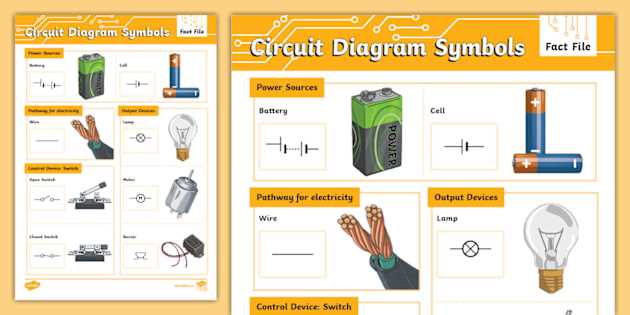
Begin by recognizing resistor patterns. Rectangular blocks or zigzag lines indicate resistance elements, with color codes or numeric values specifying ohms. Verify each label against expected loads to prevent overheating and ensure correct voltage drop across pathways.
Capacitors are displayed as two parallel lines separated by a gap, sometimes with one line curved for polarized units. Annotate their capacitance in farads and voltage rating to confirm compatibility with the surrounding network. Electrolytic types require careful attention to polarity to avoid malfunction.
Inductors appear as loops, coils, or series of humps representing magnetic storage components. Mark inductance in henrys, and note core type if specified, since air-core and iron-core coils behave differently at varying frequencies. Trace their connections to identify potential resonance or filtering roles.
Compare these components collectively to detect series or parallel arrangements, which influence total resistance, reactance, and impedance. Highlight critical values on the layout to simplify testing and troubleshooting during construction or maintenance phases, and cross-check each reading with the design specifications.