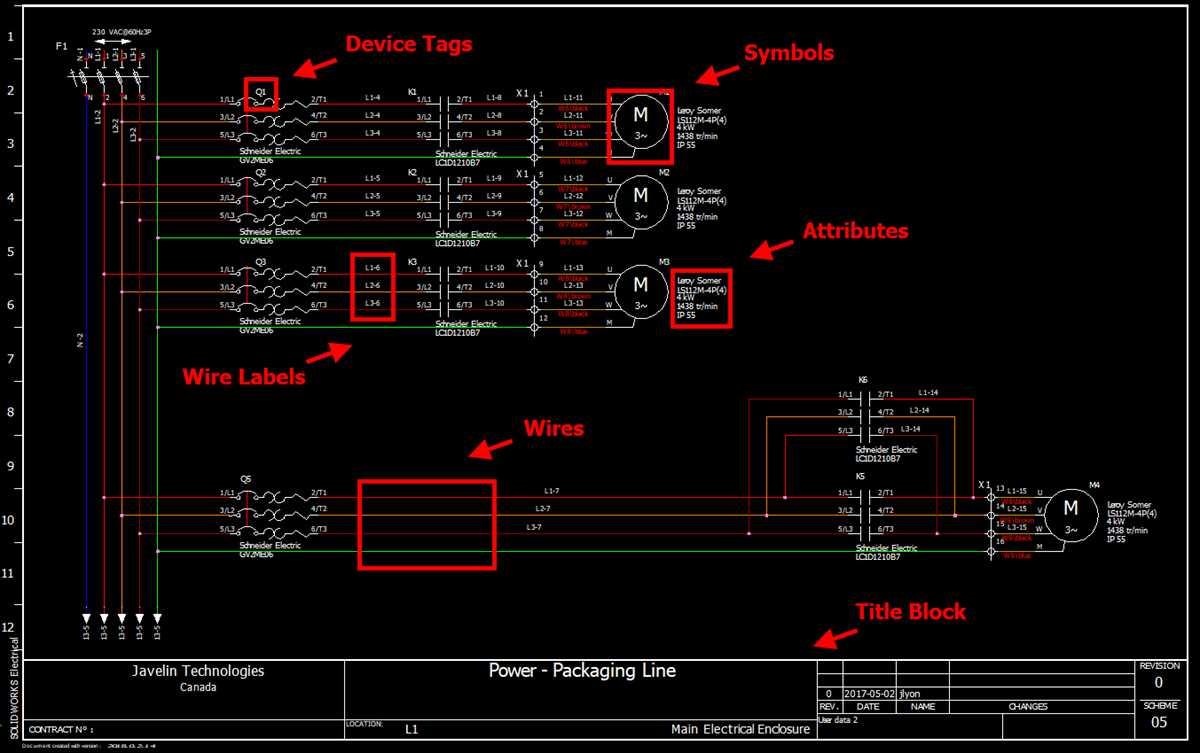
Start by mastering the standard graphical marks for circuits to ensure clarity when creating layouts for homes or offices. Accurate representation of outlets, switches, and connectors prevents installation errors and simplifies troubleshooting later.
Focus on differentiating power sources and load points with clear icons that indicate voltage, current type, and safety ratings. Using distinct markings for alternating and direct current components helps maintain compliance with technical codes and reduces the risk of miswiring.
Include lighting and control elements consistently to visualize energy distribution effectively. Correct placement of indicators, fuses, and relays within diagrams provides a practical reference for electricians and reduces the time needed for maintenance checks.
Key Graphical Marks for Circuit Layouts
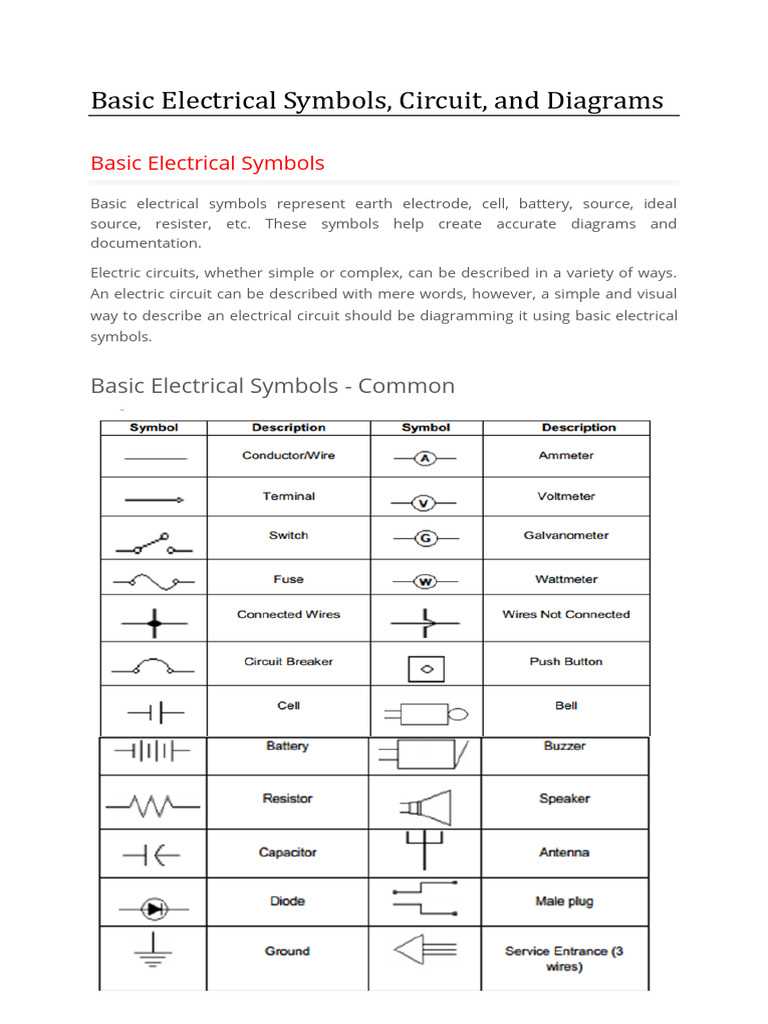
Begin by labeling each component with clear icons for power sources, outlets, and switches. Standardized depictions reduce misinterpretation and allow anyone reviewing the layout to follow connections accurately without cross-referencing manuals.
Integrate protective devices like fuses and circuit breakers with distinctive signs that indicate ratings and operational limits. Including these details helps technicians anticipate load capacity, prevent overloads, and maintain compliance with technical standards.
Map control elements such as relays, indicators, and timers precisely to show how circuits interact. Proper representation of these parts in diagrams improves troubleshooting speed, simplifies modifications, and ensures that energy flow is predictable across the system.
Identifying Basic Circuit Icons for Residential Connections
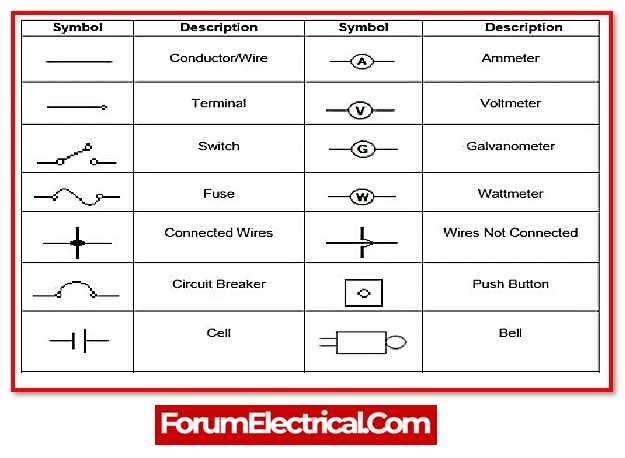
Start by recognizing standard representations for outlets, switches, and lighting points to create layouts that are readable and accurate. Each icon should clearly indicate whether it is single-phase, three-phase, or specialized for high-current devices.
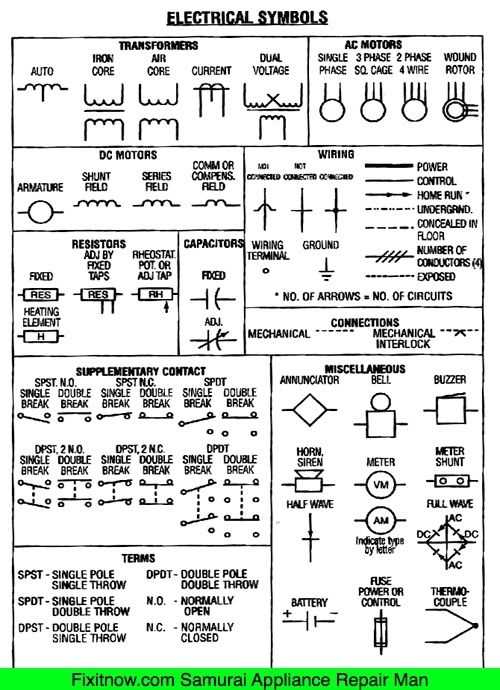
Organize components by location and function using a simple list or table to track types and ratings. This approach helps prevent overloads and ensures that every socket, fixture, and control element is accounted for. Consider including:
- Power outlets with voltage and amperage ratings
- Switches including single-pole, double-pole, and dimmers
- Lighting fixtures with types such as LED, fluorescent, or incandescent
Cross-check connections visually to verify that each element aligns with the main supply and branch circuits. Mapping protective devices like fuses and mini-breakers near relevant loads reduces risk of errors and aids future upgrades or maintenance in residential setups.