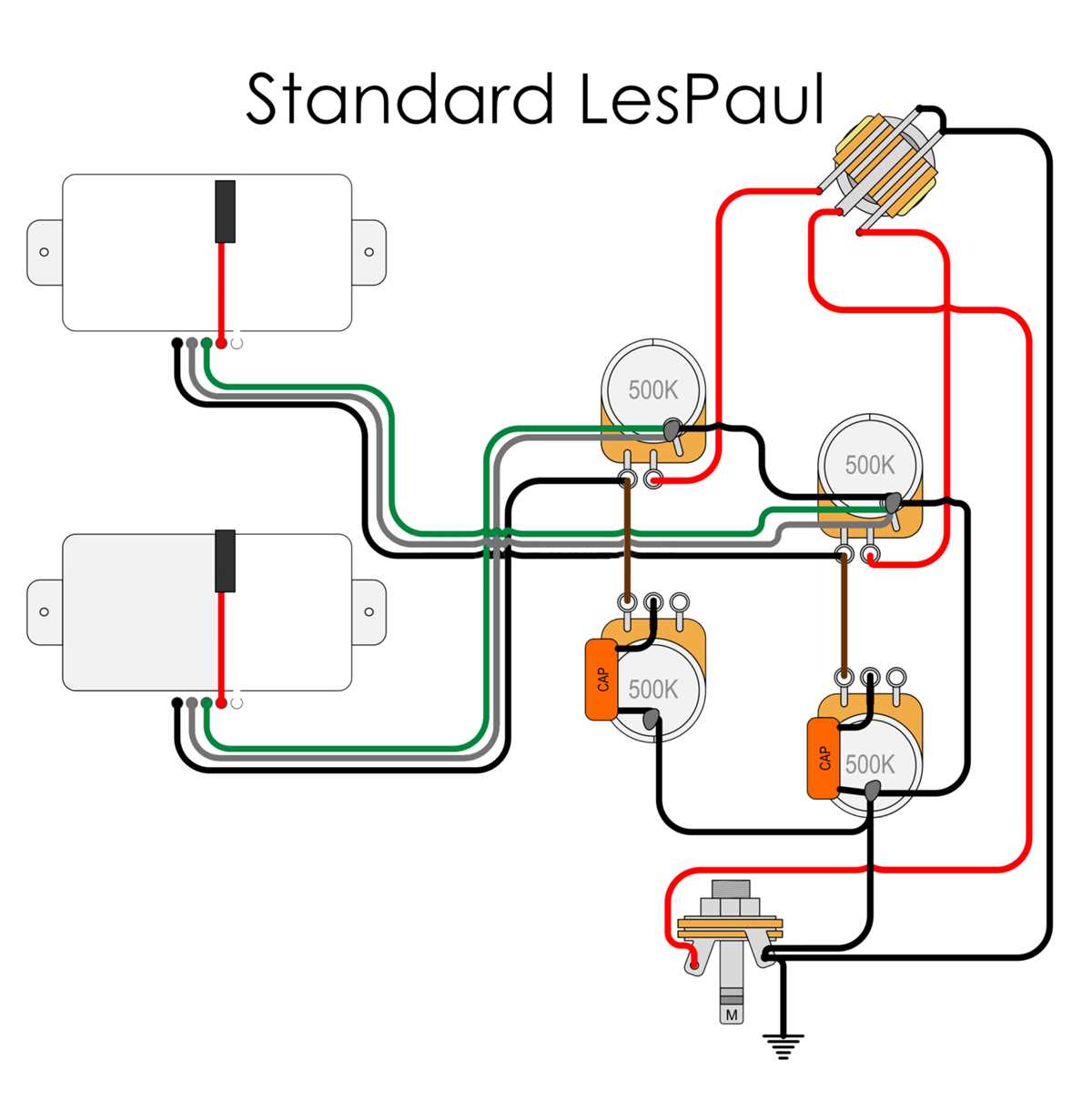
Start by identifying the various components that form the electrical system in your instrument. These components include pickups, switches, potentiometers, and output jacks. Each element plays a specific role in how sound is generated, altered, and transmitted from the instrument to an amplifier or effects unit. Proper understanding of these parts allows for efficient troubleshooting and customization of the setup.
When assembling or modifying your system, focus on correct connections between each element. The pickups should be wired to the switch, which then routes the signal through the volume and tone controls before it exits the instrument via the output jack. Pay attention to the wiring layout to ensure that each connection is tight and free of interference or shorts that could disrupt the signal flow.
Knowing the exact wiring scheme for your setup is crucial, as it directly affects the tonal quality and performance. Whether you’re replacing damaged parts or customizing for unique tonal characteristics, a clear understanding of how these components interact will guide you in making the necessary changes effectively.
Electrical Setup and Wiring Guide
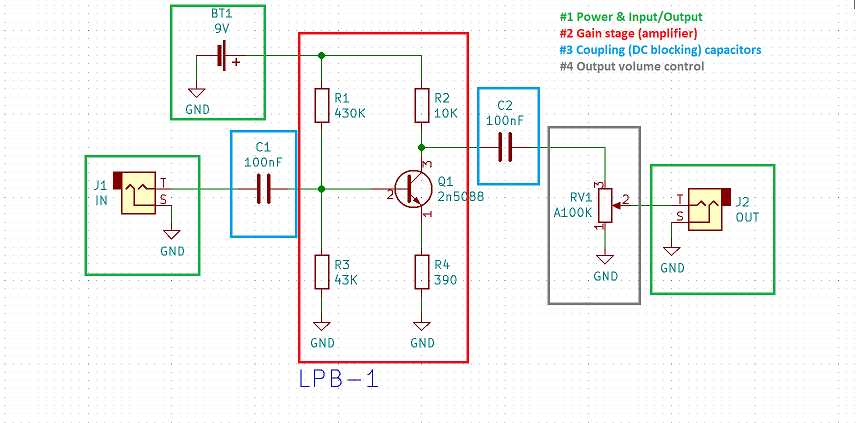
Ensure that the pickups are securely connected to the selector switch, which directs the signal to the tone and volume controls. Pay attention to the signal flow to avoid unnecessary distortion or signal loss. Use quality conductors for better clarity and less interference. A well-laid connection between components helps achieve the desired sound and prevents potential issues that may arise from poor signal transmission.
Verify the correct installation of the potentiometers that control tone and volume. These components adjust the frequency response and output level. The tone pot affects the bass and treble frequencies, while the volume pot regulates the output signal. Ensure each potentiometer is properly grounded, and make sure the connections are clean to avoid static or unwanted noise in the signal. Finally, check the output jack to ensure a reliable connection to the amplifier or other devices.
How to Identify Key Components in a Guitar Circuit
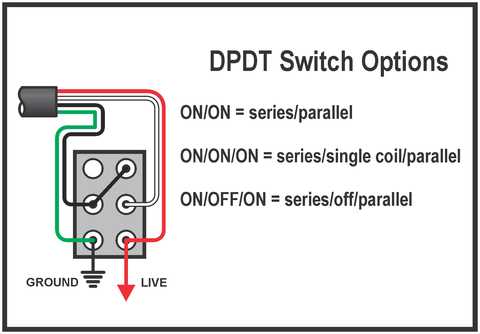
The first step in identifying the components of an electric setup is recognizing the pickups. These are the magnets that convert the vibration of the strings into electrical signals. There are generally two types: single-coil and humbucker. Single-coils are narrower and give a bright tone, while humbuckers are wider and produce a thicker, noiseless sound. Both types of pickups have three terminals, which allow them to connect to other parts of the system.
Next, locate the selector switch. This component determines which pickups are active at any given time. It is typically found near the volume knobs and allows you to choose between different pickup configurations. The switch uses a series of contacts that route the signal from the pickups to the rest of the setup, controlling which combination of pickups is engaged based on your selection.
The potentiometers are key for adjusting the sound. These components control the tone and volume. There are usually two main types: tone pots and volume pots. The tone pot adjusts the amount of bass or treble in the signal, while the volume pot controls the overall output. They are typically mounted on the control plate and have small notches that allow users to turn them with precision.
Capacitors are also a crucial part of the system, particularly in the tone control section. These small components filter out certain frequencies, shaping the sound. The capacitor works in conjunction with the tone pot, and its value influences how much treble or bass is cut from the signal. A higher-value capacitor will result in a brighter tone, while a lower-value one will produce a smoother sound.
The output jack is the final connection point before the signal exits the instrument and travels to an amplifier. It’s important to ensure the output jack is securely connected to avoid any loss of signal. A loose connection can cause distortion or intermittent signal loss, which can be frustrating during performances.
Another vital component is the grounding system. Grounding helps reduce unwanted hum and noise in the electrical system. Ground wires typically connect the metal parts of the setup to the negative terminal of the power supply, ensuring a steady, clean signal flow without interference from external sources.
The switch and potentiometer wiring should be carefully examined for proper soldering. Solder joints that are loose or poorly connected can lead to signal dropouts, unwanted noise, or even complete failure of specific parts of the setup. Always check for clean, shiny solder joints when diagnosing or modifying the system.
Finally, check the pickups for proper orientation. Some pickups are polarity-sensitive, meaning they need to be installed correctly to avoid phase cancellation. Double-check the wiring against the pickup manufacturer’s specifications to ensure that everything is wired as it should be for the best tonal result.