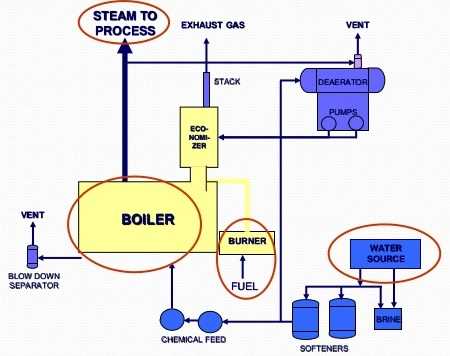
To fully understand how heating systems work, it’s important to examine the key elements of their schematics. The most common layout of such systems includes various components that play specific roles in the heat exchange process, water circulation, and safety protocols. Each symbol on a schematic represents a vital function and interaction between the components.
Start by identifying the primary flow paths–these are typically the water and steam circuits that carry energy through the system. Understanding how these pathways connect the different parts is crucial for troubleshooting, repairs, and optimization. Often, a heating system will also include valves, pumps, and sensors, each playing a pivotal role in regulating pressure, flow, and temperature.
Next, focus on the auxiliary elements like control systems and safety mechanisms. These ensure the system operates within safe limits and adjusts automatically to changing conditions. For example, pressure relief valves, temperature sensors, and feedwater pumps are essential to prevent malfunctions or overheating. Familiarizing yourself with their placement and function will provide insight into how the entire system maintains efficiency and safety.
Parts of a Heating System Schematic
To read and understand a heating system schematic, identify the key flow paths and components. First, focus on the water and steam circulation lines. These lines are typically represented by arrows that show the direction of flow and the connections between different sections of the system. Understanding these pathways will help you trace the movement of energy throughout the system.
Check the valves and control devices marked on the schematic. Valves regulate the flow of water and steam, while control devices such as pressure gauges and temperature sensors monitor the system’s performance. Look for control panels or automatic regulators–these are critical for maintaining safe operation and adjusting parameters as needed.
Safety mechanisms are another key aspect. Locate the pressure relief valves and safety shutoff switches, which protect the system from exceeding safe limits. These components prevent potential damage by releasing excess pressure or stopping operation if conditions become unsafe.
Lastly, pay attention to the auxiliary equipment like pumps and expansion tanks. Pumps ensure the constant movement of water, while expansion tanks manage pressure fluctuations due to thermal expansion. Knowing the function of each part will enable you to interpret the schematic effectively and address any issues that arise.
How to Identify the Main Components of a Heating System Schematic
Begin by locating the primary flow lines that indicate the direction of water or steam movement. These lines are often marked with arrows and represent the core cycle of heat transfer. Understanding the flow paths is key to recognizing how energy moves through the system.
Next, find the pressure and temperature gauges on the schematic. These symbols provide vital information about the system’s current operational state. Pressure gauges help ensure the system operates within safe limits, while temperature readings indicate the heat levels at various stages.
Look for the valves and control devices, as they regulate the flow of fluid and adjust temperatures. These are typically represented by specific symbols like circles or squares with lines. Pay attention to the types of valves, as some control pressure, while others manage flow rates.
Check for safety features such as relief valves and shut-off switches. These components are critical for preventing overpressure or system failure. Safety devices are often positioned at critical junctures to release excess pressure or shut down the system when needed.
Lastly, identify any auxiliary equipment like pumps, expansion tanks, and condensate return lines. These elements maintain consistent fluid circulation and manage system pressure during heating cycles. Their function is vital for the overall operation and reliability of the system.
Understanding the Function of Each Part in the Heating System
The flow lines are the primary carriers of water or steam within the system. These lines are designed to transfer heat from one area to another. They typically follow a closed-loop cycle, ensuring consistent energy transfer between the heat source and the areas requiring heat.
Valves are responsible for controlling the fluid flow and pressure throughout the system. Some valves regulate water flow to ensure consistent heating, while others manage pressure, preventing over-pressurization that could cause system damage. Their role is vital in maintaining proper system function and avoiding breakdowns.
Pumps facilitate the movement of fluid throughout the system. They ensure that water or steam circulates efficiently through pipes and heating elements. In larger systems, multiple pumps may be used to maintain pressure and prevent stagnation, ensuring consistent heating performance.
Expansion tanks are used to absorb the pressure fluctuations caused by thermal expansion. As water heats up, it expands, and the expansion tank compensates for this increase in volume, preventing damage to the system by keeping pressure stable and within safe limits.
Pressure relief valves are safety features designed to release excess pressure from the system. They prevent the buildup of harmful pressure levels that could otherwise lead to catastrophic failures. These valves open automatically when pressure exceeds a preset threshold, ensuring the system remains safe during operation.
Temperature sensors monitor the heat levels at various points in the system. They allow the system to adjust based on real-time conditions, ensuring that the desired temperature is maintained throughout the heating cycle. Accurate temperature readings are key for system efficiency and safety.