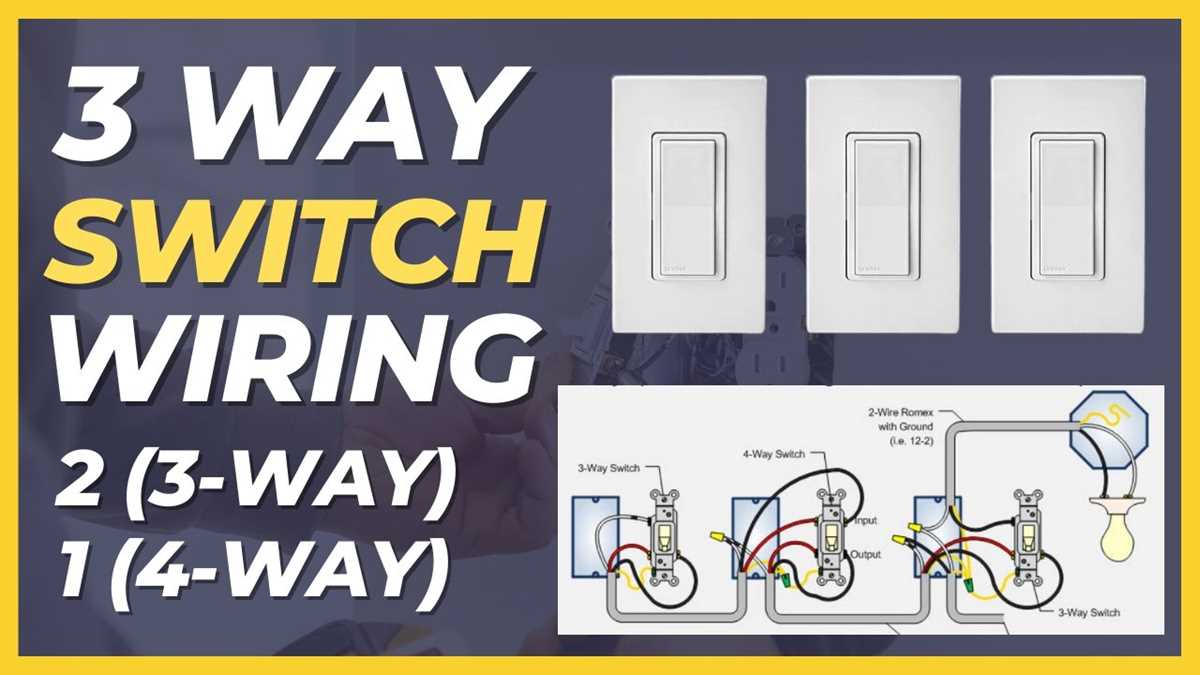
To properly set up a lighting control system across multiple locations, connect the traveler terminals from each switch in sequence. Start by linking the common terminal of the first control to the incoming power, then route the traveler wires to the subsequent controls, ensuring each is securely connected to the correct terminal.
The most common issue during installation is improper placement of the traveler wires, which can cause lights to malfunction or fail to respond correctly. Make sure the correct terminals are used for the power input and for connecting the other switches to maintain smooth operation throughout the circuit.
Before beginning, ensure all circuits are de-energized to avoid electrical shocks. Using a voltage tester is recommended to verify power is off at the junction box before you begin any installation or adjustments.
4 Way Dimmer Control Setup
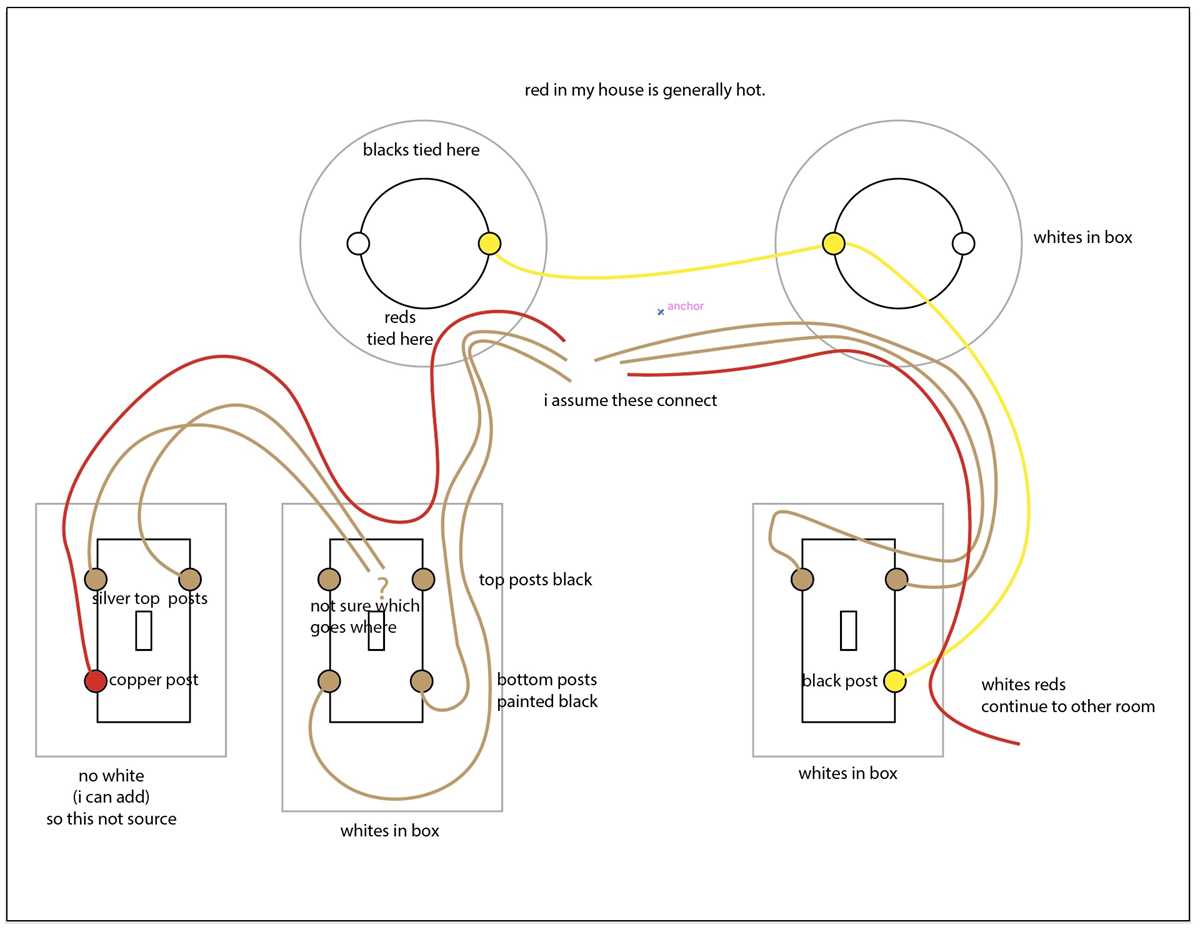
To establish a multi-location lighting control, begin by connecting the incoming power to the first control’s common terminal. The traveler terminals of each device should be connected in sequence to ensure they transmit the electrical signal correctly between devices.
Ensure that each control is wired correctly by identifying the proper terminals for power, travelers, and the load. The first device receives the incoming power, while the traveler wires relay the signal to the subsequent controllers. Each of these terminals must be wired in the correct sequence for proper operation.
Common Issues to Watch For
One common mistake is wiring the power input incorrectly. Make sure that the incoming power is always connected to the common terminal on the first control. Misplacement can lead to the lights either not turning on or operating erratically.
- Incorrectly routed traveler wires can cause failure in signal transmission between switches.
- Ensure grounding is performed on every device to avoid potential electric shock hazards.
- Check that all devices are properly mounted and secured to prevent physical disconnections.
To ensure accurate functionality, use a voltage tester before connecting anything. This simple step can save you from potential hazards or faults during installation.
Traveler Wires Role
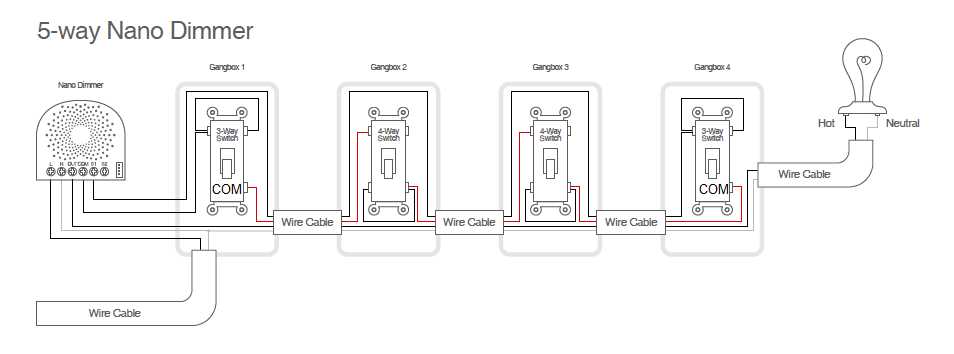
Traveler wires are integral to controlling the light from multiple locations. Without them properly connected, the current flow is interrupted, and the control from other locations will be lost. These wires must run between each device, and each device’s traveler terminals must match accordingly.
Once the connections are made, check each control for its response. Turning the power back on and testing each unit will help confirm the proper function and allow you to identify any issues early in the process.
Once the devices are wired correctly, use electrical tape to secure connections and prevent accidental disconnections over time. This added layer of security ensures that the installation remains stable and safe throughout its use.
How to Wire a 4 Way Dimmer Control with 3-Way Controllers
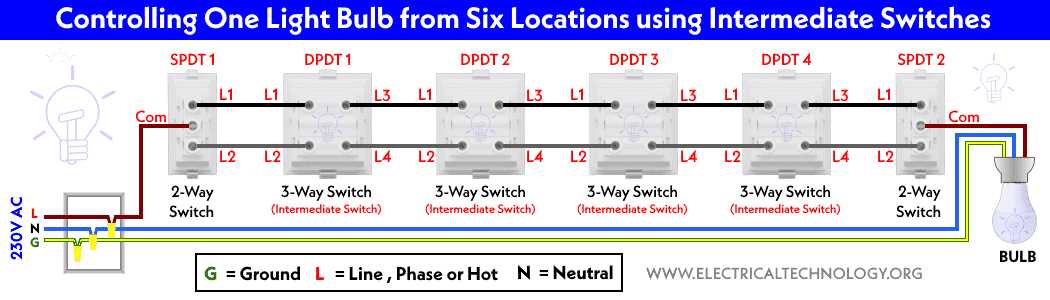
To set up a multi-location lighting control, start by connecting the power supply to the common terminal of the first controller. The travelers should run from one device to the next, ensuring the current flow between them is uninterrupted.
Connect the incoming live wire to the common terminal of the first device. Then, the traveler terminals of each controller must be connected in a specific sequence. The travelers allow the current to pass through the devices, enabling multiple controls to operate the same lights from different locations.
When using a combination of multi-position controllers, make sure to install a properly rated control that supports multiple locations. These devices are designed to handle the extra load, preventing overloads or malfunctioning when controlling multiple lights or heavy fixtures.
- Double-check that the live wire is securely attached to the common terminal of the first unit.
- Ensure the traveler wires run between each device in proper order to guarantee smooth control flow.
- For safety, use a tester to confirm that power is off before handling any electrical components.
After completing the initial connections, you’ll need to link the second controller to the load terminal of the first unit. This connection completes the circuit, allowing the electrical flow to reach the lighting fixture from any of the controllers.
Once all connections are made, turn on the power and test each control. Rotate or adjust each unit to verify the lighting responds appropriately from every control point. If any issues arise, carefully inspect the traveler wire connections for loose or improper placements.
For added safety, ensure all electrical components are tightly secured, and no exposed wires are left unattended. Use electrical tape to insulate any connections that may be vulnerable to accidental disconnections. This precaution minimizes the risk of electrical shorts or safety hazards in the future.