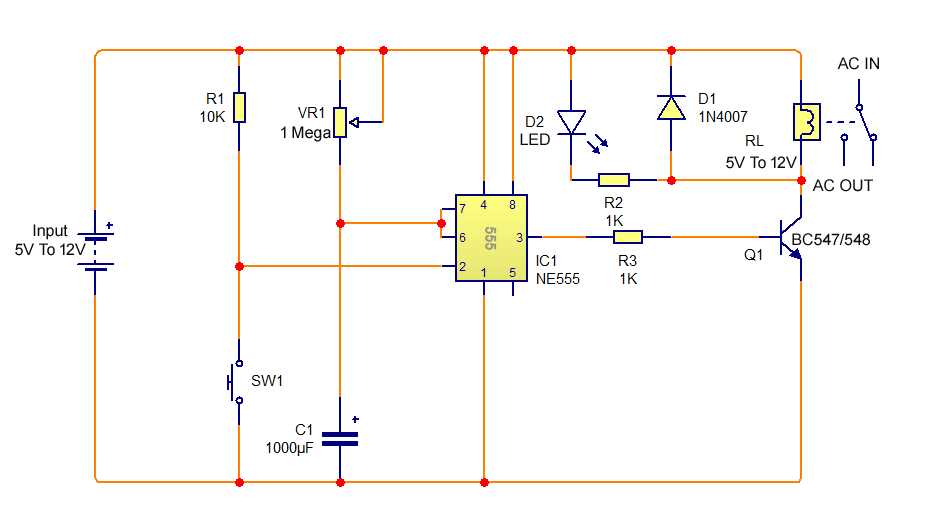
To create a functional timing system, start by selecting a reliable control mechanism like a 555 timer IC, which allows for accurate time intervals. This component is highly customizable, supporting both astable and monostable modes for different time delays. By adjusting external resistors and capacitors, you can control the duration of each timing cycle. A typical setup involves choosing values for R and C to set the timing range, typically from milliseconds to several minutes depending on the requirements.
Once the timing component is chosen, move on to constructing the connections. A common approach involves wiring the timing element alongside a transistor or a relay for controlling external devices such as motors or lights. The relay is triggered once the timer completes its cycle, which can be used to activate or deactivate connected systems. Ensure that the transistor or relay is rated for the power requirements of the devices you are controlling.
For precise performance, testing the system is key. After assembly, check the timing intervals using an oscilloscope or a multimeter with a frequency counter. This will help ensure that the intervals match your expectations. If discrepancies arise, adjust the capacitor or resistor values slightly to fine-tune the output. If the setup involves controlling a larger load, double-check the current handling capacity of your relay to avoid overloading.
Understanding the Layout of a Precision Control System
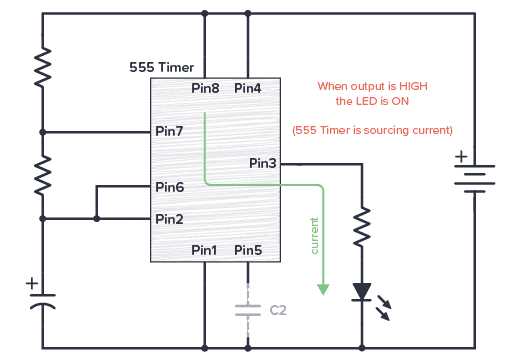
For building a timing mechanism, the most common setup utilizes a 555 IC in monostable mode, where the output pulse duration is determined by an external resistor and capacitor. When constructing this type of setup, be sure to adjust the resistor and capacitor values to match your desired output range. The connection of the discharge pin and control voltage pin ensures the output can be accurately controlled, depending on the specific application.
Component Selection and Placement
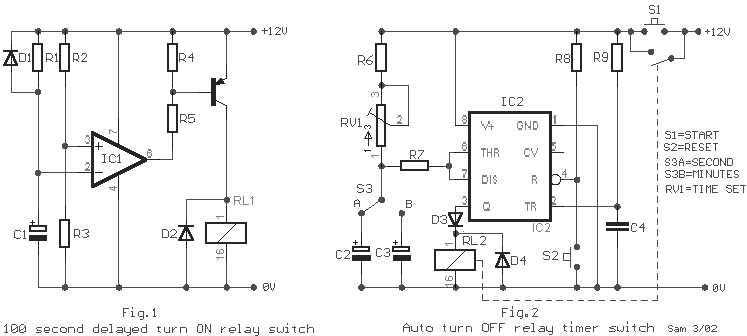
The choice of components is critical in shaping the timing system’s functionality. A relay or transistor can be incorporated to activate or deactivate external devices when the cycle completes. Ensure that all components, particularly the relay, are rated for the operating voltage and current to avoid damaging the system. Proper grounding and voltage regulation can prevent unwanted fluctuations in the timing cycle.
Testing and Adjusting the System
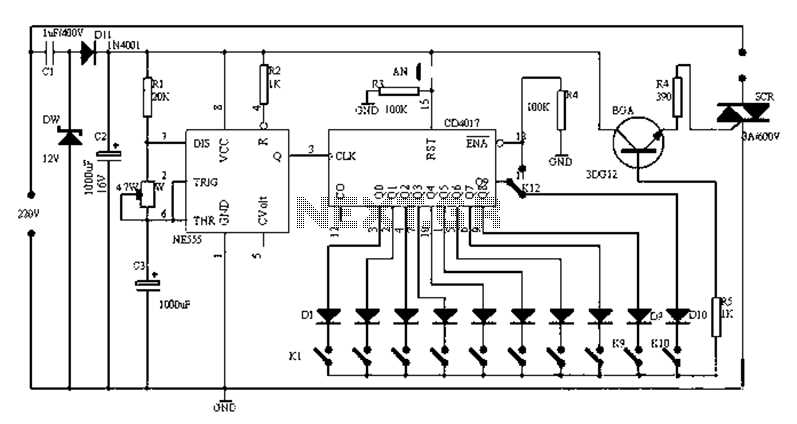
After assembly, confirm that the timing mechanism operates as intended by testing with a multimeter or oscilloscope. Checking the frequency output ensures that it aligns with the required interval. If there’s a mismatch, minor adjustments to the external resistor or capacitor values can be made to fine-tune the timing. Regular testing is recommended, especially when dealing with high-powered systems, to ensure consistent and reliable performance.
Choosing the Right Components for an Accurate Control System
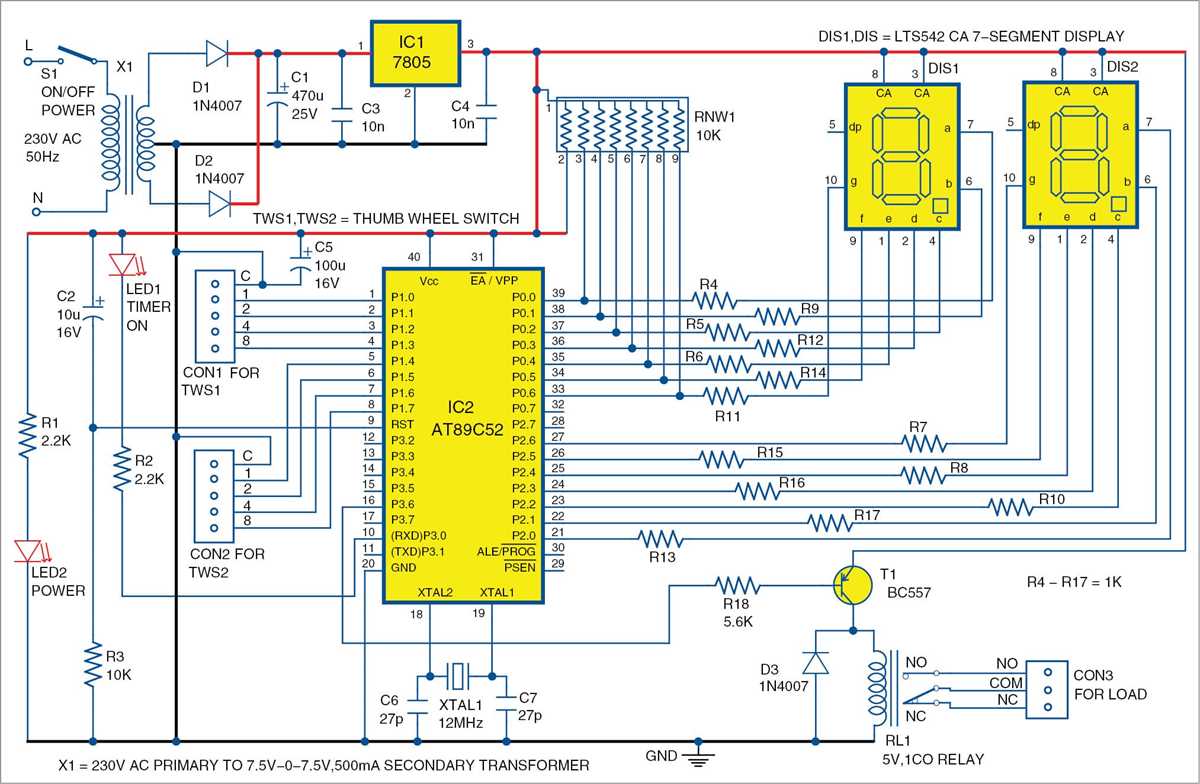
Start by selecting a 555 IC for precise timing. This component is highly versatile, supporting both monostable and astable configurations. Pair it with appropriate resistors and capacitors to define the time interval. The values of these passive components directly affect the frequency and pulse duration. For a stable output, ensure the capacitor is of high quality, such as a ceramic or tantalum type, to maintain consistent performance.
Next, incorporate a transistor or a relay to control external devices. These components should match the voltage and current ratings of the load to prevent overheating or failure. A typical choice is a MOSFET for switching high-power systems or a mechanical relay for lower power needs. For accurate operation, make sure the control pins are properly connected to the triggering mechanism, whether through a manual switch or a microcontroller output.