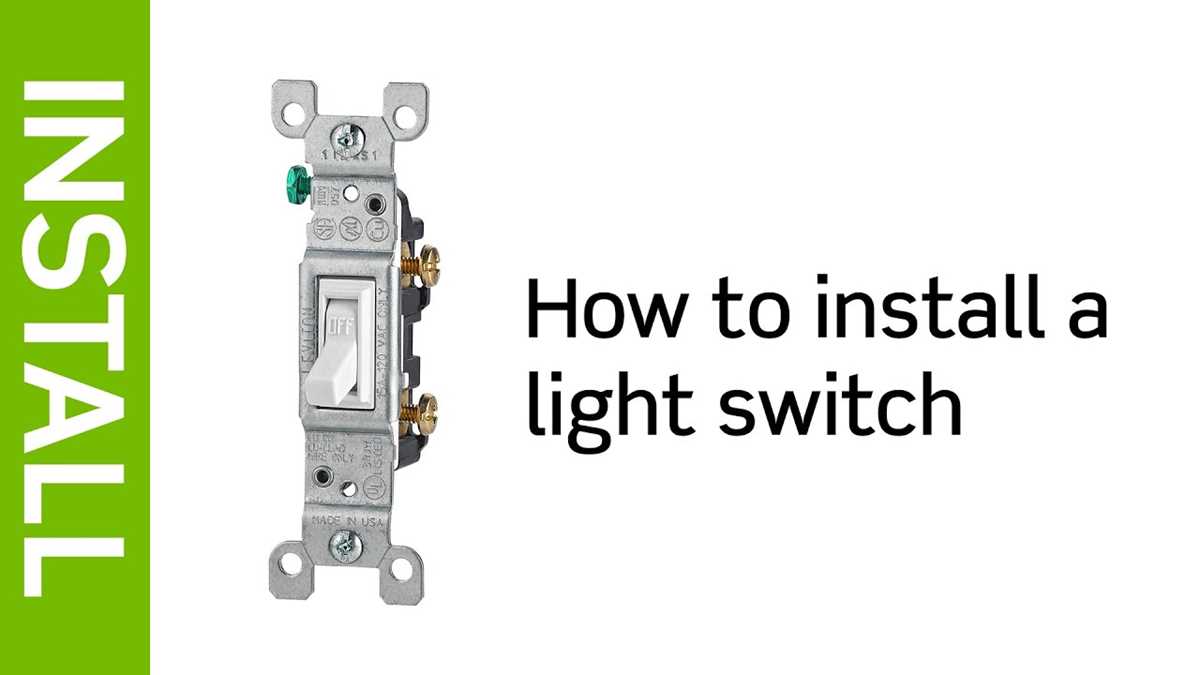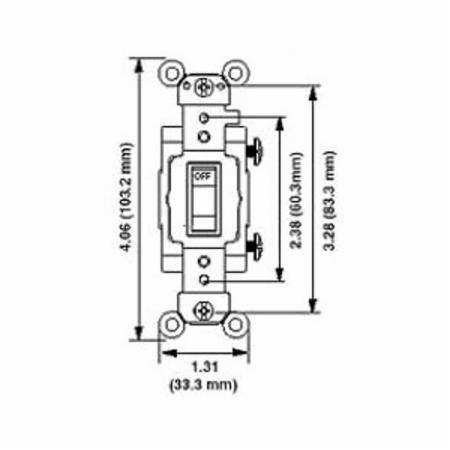
Connect the incoming hot conductor to the common terminal and attach the outgoing conductor to the remaining brass screw. This type of wall control interrupts the live conductor feeding a lighting fixture or receptacle. The device normally has two brass terminals and one green grounding screw. No neutral conductor connects directly to the control body; neutral continues through the junction box toward the light fixture.
Standard residential installations use 120-volt branch circuits protected by a 15A or 20A breaker. For a 15A circuit, installers usually run 14 AWG copper cable. A 20A branch uses 12 AWG copper conductors. The black conductor carries line voltage from the distribution panel into the wall box, while the second insulated conductor leaving the device delivers power to the ceiling luminaire.
Grounding remains mandatory for safety. The bare or green equipment grounding conductor must attach to the green screw on the control frame and bond with other grounding conductors inside the box. If a metal box is installed, a short grounding pigtail connects the device and the enclosure together, creating a continuous path back to the service panel.
Terminal screws should clamp the conductor in a clockwise loop so tightening the screw pulls the copper firmly under the head. Leave about 6 inches of free conductor length inside the box for service access. Tight mechanical contact reduces resistance at the connection point and lowers the chance of heat buildup during repeated operation of the lighting circuit.
Leviton Single Pole Switch Wiring Diagram With Line Load and Ground Connections
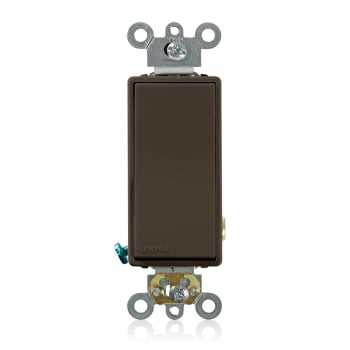
Attach the incoming hot conductor from the breaker to the common brass terminal and connect the outgoing conductor leading to the light fixture to the remaining brass terminal. This configuration allows the control device to interrupt the live conductor while the neutral travels directly to the lighting outlet box. Most residential lighting circuits operate on 120 volts and are protected by either a 15-amp or 20-amp breaker.
Typical cable used in this installation contains three conductors:
- Black conductor carrying line voltage from the distribution panel
- Second insulated conductor delivering power toward the lighting fixture
- Bare or green conductor used for equipment grounding
The neutral conductor normally bypasses the control device entirely. Instead, it connects inside the ceiling junction box directly to the fixture neutral lead. This arrangement allows the control unit to interrupt only the live conductor while maintaining a continuous neutral path.
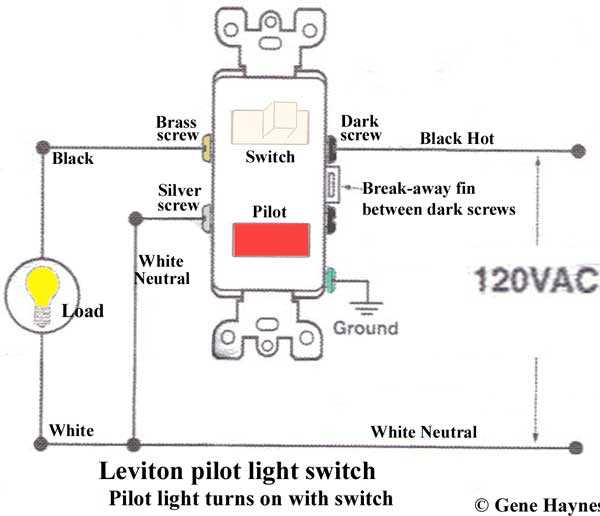
Grounding connections must remain continuous through the entire circuit path. The grounding conductor from the branch cable attaches to the green screw on the device frame and bonds with any additional grounding conductors inside the wall box. A short pigtail often links the device frame to the metal enclosure when metal boxes are installed.
Recommended conductor sizes depend on breaker rating:
- 15-amp branch circuit – 14 AWG copper
- 20-amp branch circuit – 12 AWG copper
Strip approximately 3/4 inch of insulation from each conductor before termination. Form the copper into a clockwise hook so tightening the terminal screw pulls the conductor under the screw head. This mechanical orientation reduces the chance of loosening during repeated operation.
Inside the wall box maintain at least 6 inches of free conductor length. Extra length allows easier reconnection during replacement of the control device or fixture. Conductors should fold neatly into the box without sharp bends that could stress the insulation.
After connections are completed, mount the device firmly in the box, install the cover plate, and restore power at the breaker. The overhead luminaire should illuminate only when the control device moves to the ON position, confirming correct line and load placement.
Identifying Line Load and Ground Terminals on a Leviton Single Pole Switch
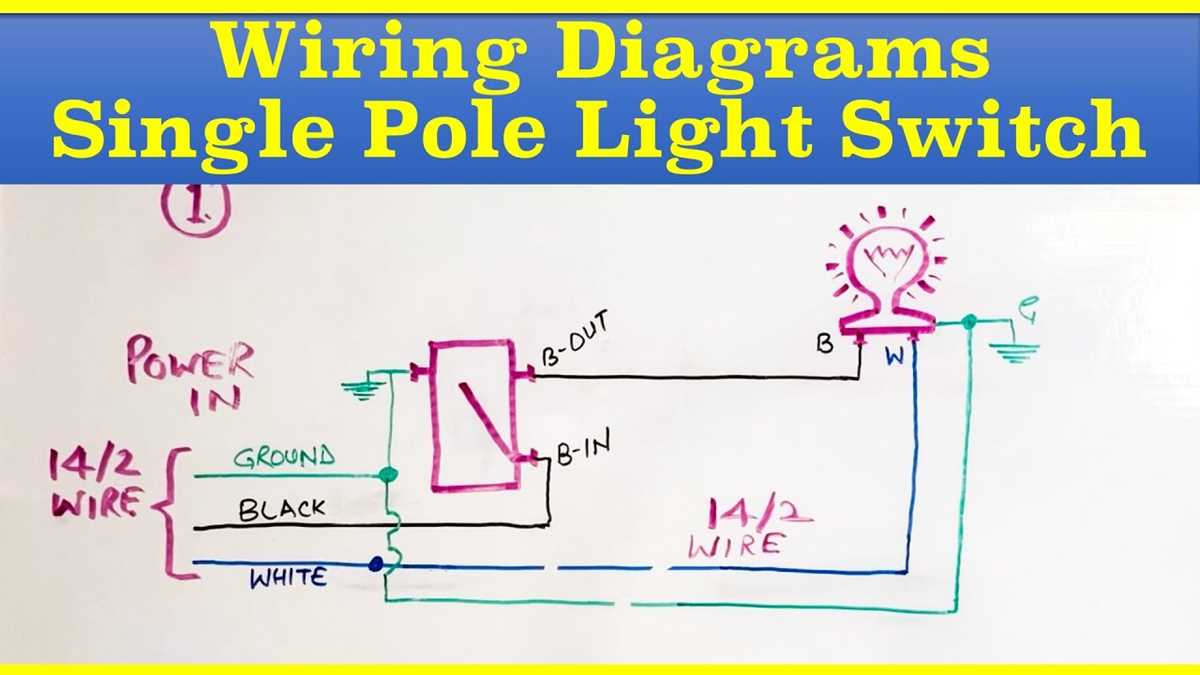
Locate the two brass screws and the green grounding screw on the control device body. The brass screws handle the live conductors, while the green screw bonds the metal frame to the equipment grounding conductor. One brass terminal receives the incoming hot conductor from the distribution panel, and the second brass terminal sends power toward the lighting fixture or outlet being controlled.
The incoming live conductor, often a black insulated copper wire, attaches to one brass terminal. The outgoing conductor leading to the lighting fixture connects to the remaining brass terminal. On many residential controls these two brass screws appear identical, so either can serve as line or load. The device simply opens or closes the circuit between them when the toggle moves.
The grounding point is visually different from the other terminals. It uses a green screw mounted directly to the metal strap of the device. The bare or green equipment grounding conductor from the branch cable attaches here. If a metal wall box is present, a short grounding pigtail usually links the device frame to the box, maintaining a continuous grounding path back to the service panel.
Before making connections, verify conductor identification inside the wall box. The line conductor coming from the breaker usually remains energized when power is on, while the conductor leading toward the ceiling fixture carries voltage only when the control device closes the circuit. Turning off the breaker and confirming absence of voltage with a tester prevents accidental contact with energized conductors.