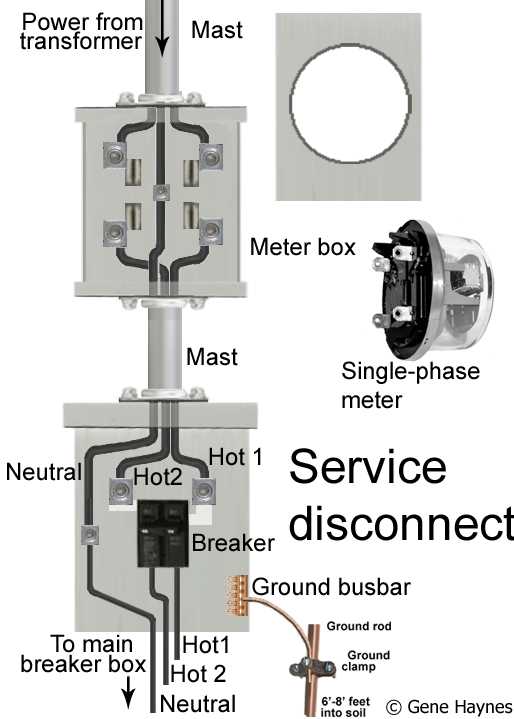
Position the unit near the main breaker with clear access for all branch circuits. Ensure the distance to the main feeder does not exceed 50 feet to maintain voltage stability and prevent overheating of conductors.
Use copper conductors rated for at least 75°C and select the correct breaker size for each circuit. Label all feeds clearly, and separate neutral and grounding conductors according to code to avoid unwanted current paths.
Mount the enclosure securely on a non-combustible surface and maintain a minimum clearance of 36 inches in front. Install a protective cover to prevent accidental contact with energized terminals during maintenance or inspection.
Verify each connection with a multimeter before energizing. Test all branch circuits for proper voltage and continuity, and confirm that grounding and bonding meet local electrical standards to ensure safe operation.
Selecting and Connecting Feeders for a Secondary Distribution Box
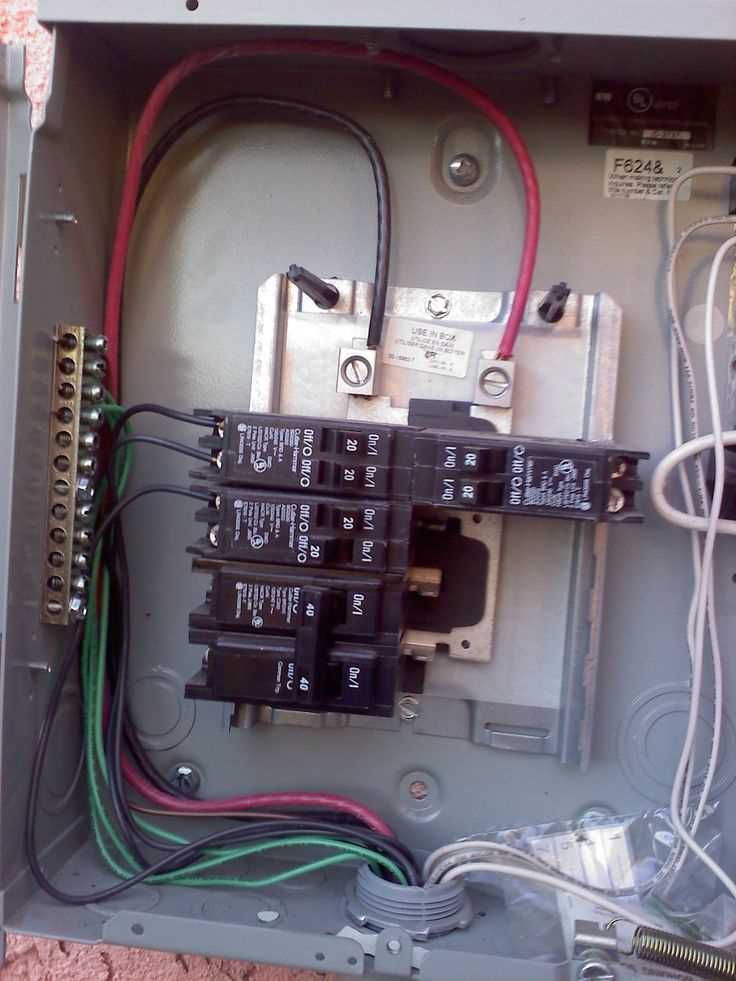
Use properly sized conductors rated for at least 75°C to connect the feeder from the main service. Keep the hot lines separated from neutral and ground bars, and install a double-pole breaker matching the load capacity. Tighten all terminals to the manufacturer’s torque specifications to prevent overheating and arcing.
Arrange branch circuits logically with labeled breakers to simplify future maintenance and expansion. Maintain consistent wire color coding–black or red for live, white for neutral, and green or bare for grounding. Conduct a continuity and polarity check before energizing to ensure each circuit is functioning safely and correctly.
Selecting the Right Breakers and Panel Location
Choose breakers that match the load rating of each circuit. For high-demand appliances like ovens or HVAC units, select double-pole breakers with a compatible conductor size. Avoid mixing brands and types within the same enclosure to maintain reliable tripping characteristics.
Position the enclosure close to the main distribution board to reduce voltage drop and limit conductor length. Ensure there is at least 36 inches of clear space in front and adequate height for safe access to all terminals and switches.
Consider environmental factors when placing the box. Avoid damp areas, direct sunlight, or locations prone to mechanical impact. If installed in a garage or utility room, mount on a non-combustible surface and keep it away from flammable materials.
- Label each breaker with its corresponding circuit and load type.
- Keep live conductors separated from neutral and grounding bars.
- Use torque-rated screws for all connections to ensure secure contact.
- Check that the enclosure has proper ventilation for heat dissipation.
Test the main feeder and branch circuits before energizing. Confirm voltage continuity, correct polarity, and proper grounding. A final inspection ensures that the enclosure is fully compliant with electrical standards and ready for safe operation.