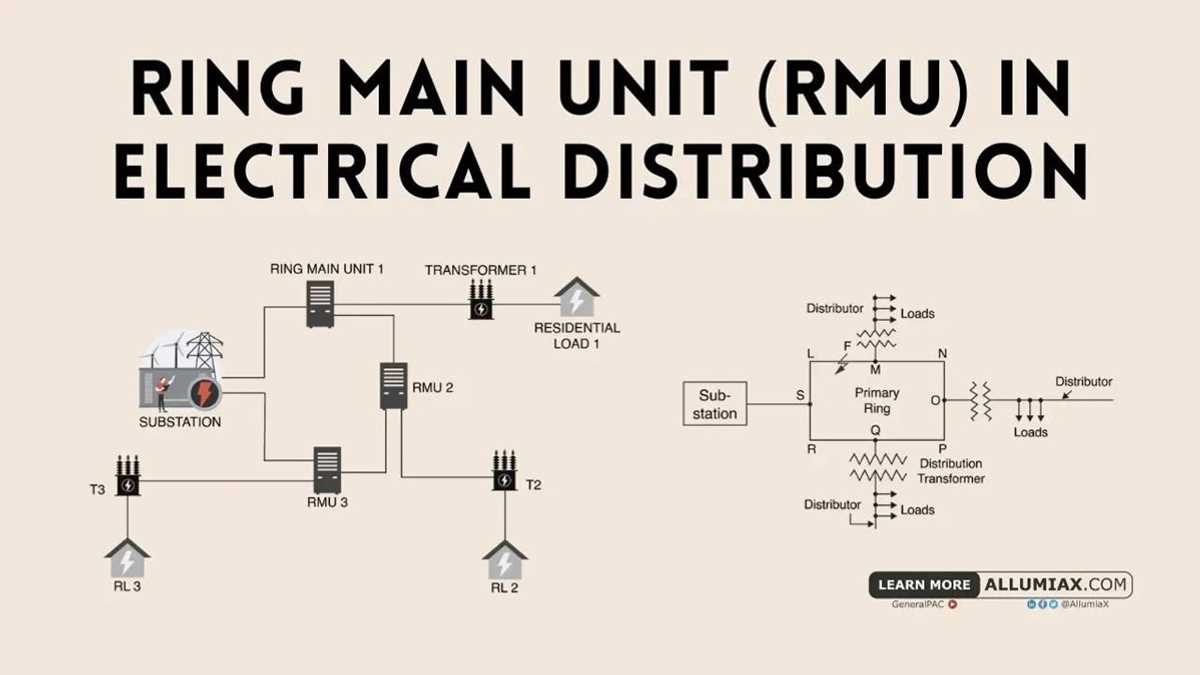
Use a closed loop configuration for rooms requiring balanced power distribution and consistent load handling. Each terminal should connect to two separate paths forming a continuous loop to prevent voltage drops across multiple sockets.
For branch connections, extend a single feed from the main supply to each device in sequence. Maintain correct polarity and color coding for conductors to ensure safety and simplify future maintenance.
Label all connection points clearly and verify each junction with a multimeter to confirm continuity. Continuous loop paths benefit areas with high-density loads, while branch paths are suitable for isolated or low-demand points.
Documenting each feed with reference tags reduces errors during upgrades or troubleshooting. Mark live, neutral, and protective conductors distinctly and maintain consistent entry points to distribution boards.
Distinguishing Between Continuous Loop and Branch Layouts
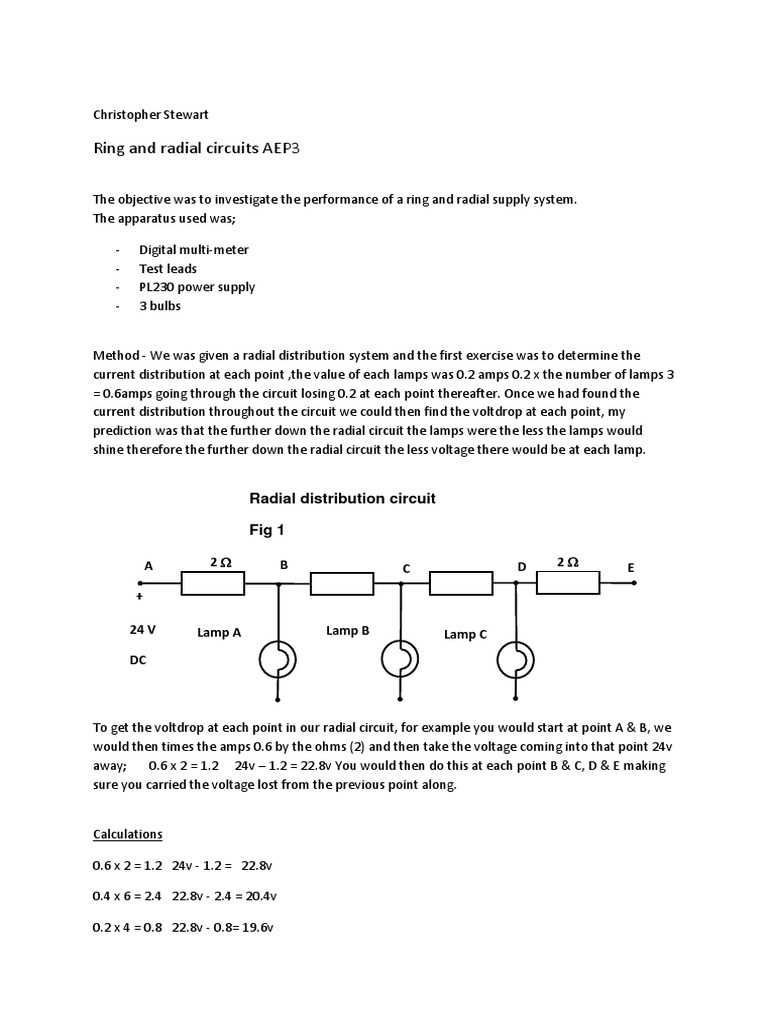
Use continuous loop configurations where multiple endpoints require stable voltage and balanced load distribution. This layout allows current to flow in two directions, reducing the risk of overload on any single connection.
Branch pathways are preferable for linear extensions from the main feed to individual devices. Each segment carries the full load of connected points, making it critical to calculate conductor size carefully to prevent overheating.
Visual Identification
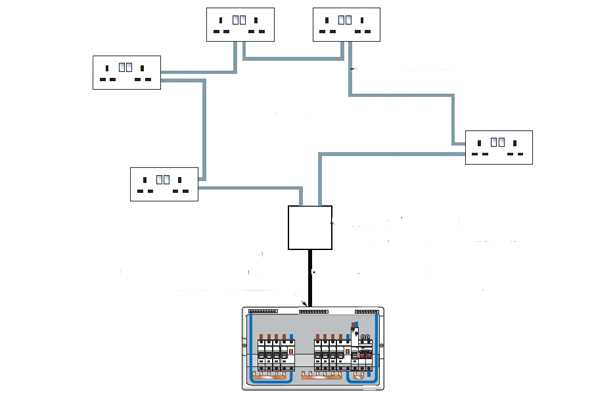
Continuous loop paths form a closed path returning to the starting point, often identifiable by parallel connections at each terminal. Branch layouts extend outward from a central node without forming loops, with each endpoint connected in series or parallel along a single feed.
Load Handling Differences highlight that continuous loop setups tolerate higher aggregated loads due to dual-direction current flow. Branch layouts must consider maximum expected draw per segment to avoid voltage drops and potential fuse tripping.
Installation practices differ: continuous loops require precise joint management at each termination, ensuring both paths remain conductive. Branch paths focus on secure connections at each device while maintaining proper insulation and separation from other feeds.
Safety and Maintenance Considerations
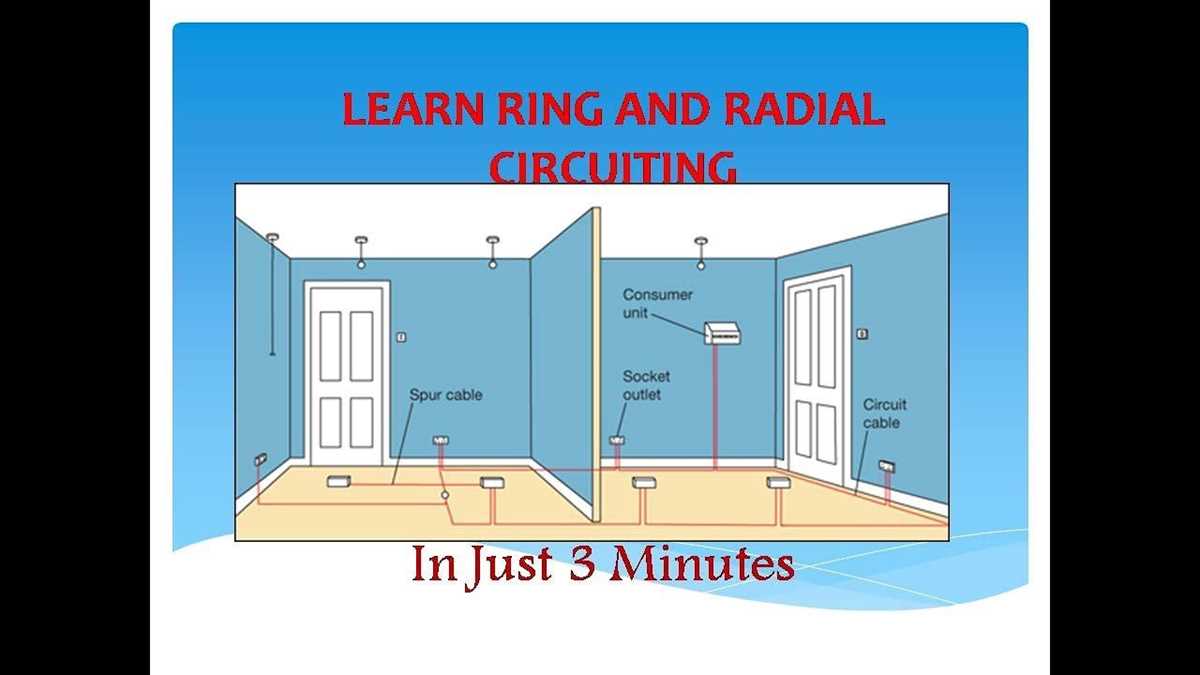
Continuous loop paths provide redundancy, allowing partial sections to remain active during maintenance. Branch paths require full isolation at the main feed to service downstream devices safely.
Documentation of both types is critical. Mark each terminal and feed direction clearly, note protective conductor routing, and verify continuity to simplify future troubleshooting and expansions.
Identifying Conductor Paths and Connection Points
Trace each feeder line from the main distribution board to every termination point to ensure continuity. Use a continuity tester or multimeter to confirm uninterrupted paths before energizing any section.
Mark all endpoints with clear identifiers, noting which lines connect multiple loads. Label both the start and end points to prevent confusion during maintenance or future expansion.
Check the color coding of each conductor against local standards. Typically, protective lines are green/yellow, live feeds are brown or black, and neutral lines are blue. Maintaining consistent color recognition prevents incorrect connections.
Inspect junctions closely where multiple conductors converge. Ensure all screws or clamps are tight and that no bare strands are exposed, as loose terminations increase resistance and heat buildup.
Use a structured approach when mapping paths:
- Identify primary feeders from the source.
- Trace secondary connections to individual devices.
- Document any loops or parallel connections.
Confirm that each branch has proper overcurrent protection. Check fuse ratings or breaker sizes and ensure they match the maximum load capacity of connected equipment to avoid nuisance trips or hazards.
Test continuity under load conditions to detect hidden breaks or high-resistance points. Use a clamp meter or voltage drop measurement across conductors to identify weak connections.
Maintain a detailed map of all conductor paths and connection points. Include terminal labels, protective line routing, and load assignments to simplify troubleshooting and streamline any future modifications or expansions.
Testing and Maintaining Ring and Radial Circuits
Perform continuity checks on each loop and spur to detect breaks or high-resistance points. Use a multimeter to measure resistance across conductors before re-energizing the system.
Inspect all junction boxes and termination points for signs of overheating or corrosion. Tighten loose clamps and replace any damaged connectors to prevent voltage drops and potential hazards.
Load and Voltage Verification
Measure voltage at multiple points along each path while under operational load. Differences exceeding 5% between start and end points indicate potential overload or loose connections that require immediate attention.
Document the color coding and routing of each conductor. Confirm that protective lines are intact and isolated from live feeds, ensuring compliance with safety standards and reducing the risk of accidental short circuits.
Scheduled Maintenance Procedures
Establish periodic inspections every 6–12 months. Test continuity, check terminal tightness, and verify that circuit protection devices are functioning correctly. Replace aging insulation or worn components to maintain reliability.
Maintain a detailed log of all tests, repairs, and adjustments. Include terminal labels, load assignments, and any deviations from original paths. This record simplifies troubleshooting and ensures consistency during future system modifications.