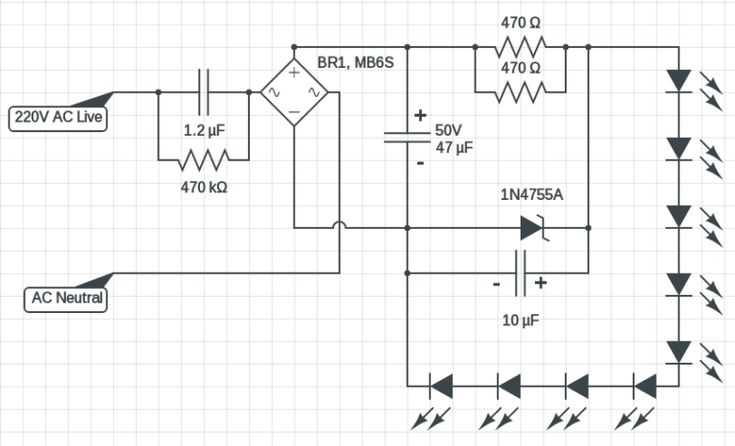
Convert mains alternating current to a stable low-voltage DC supply using a step-down transformer, bridge rectifier, filter capacitor, and voltage regulator. This arrangement allows light-emitting semiconductor lamps and strips to operate safely from household electricity. A typical design reduces about 230-volt AC from the power line to roughly 12-volt direct current suitable for many lighting modules.
A basic power conversion stage usually includes a transformer rated between 1A and 5A depending on the lighting load. After voltage reduction, a full-bridge rectifier made from four diodes converts alternating current to pulsating DC. A smoothing capacitor such as 1000µF to 4700µF removes ripple and stabilizes the output for steady illumination.
Thermal management and current control protect semiconductor lighting elements from overheating. Many layouts include a linear regulator or switching converter after the rectifier stage to maintain consistent voltage during load variation. Adding a fuse on the mains side and a small heat sink on power components increases operational safety.
Careful wiring layout also reduces noise and voltage drop. Short connections between the rectifier, filtering capacitor, and regulator improve power stability, while thicker traces or wires handle higher current demanded by long lighting strips or multiple lamp modules.
220V to 12V LED Driver Circuit Diagram With Components and Power Supply Layout
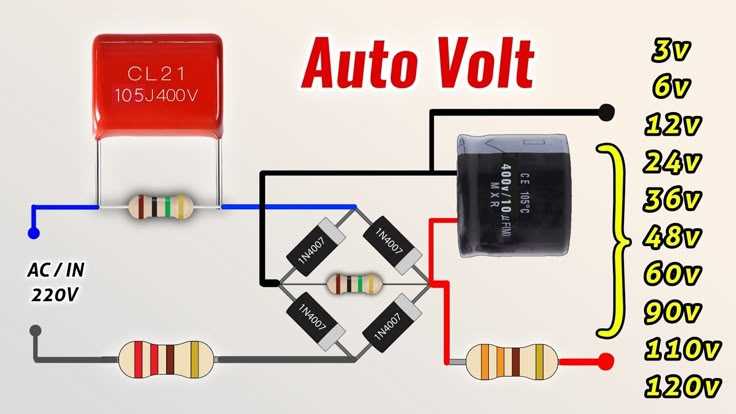
Use a step-down transformer followed by rectification and filtering to convert household alternating power into stable low-voltage direct current for semiconductor lighting modules. A common configuration includes a transformer rated around 230-volt AC input with secondary output near 12-volt AC and current capacity from 1A to 5A depending on load demand.
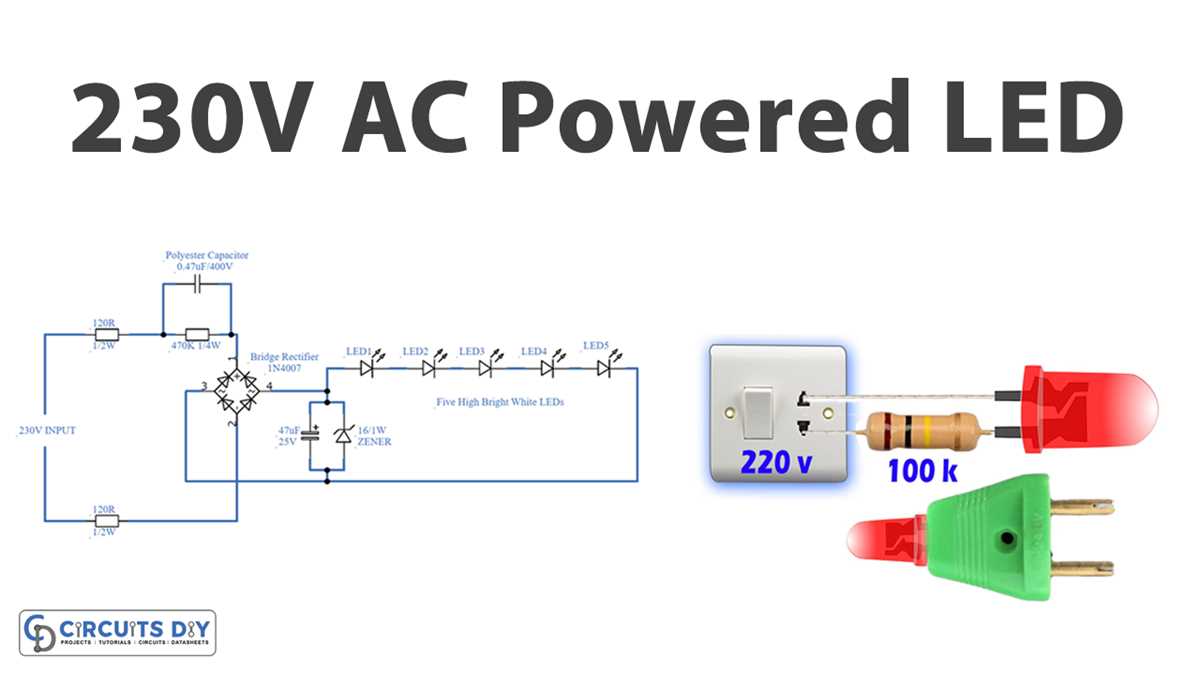
Main elements typically included in the electrical layout:
- Step-down transformer with isolated secondary winding
- Bridge rectifier composed of four diodes such as 1N5408
- Smoothing capacitor between 1000µF and 4700µF rated above 25V
- Linear regulator like LM7812 or a buck converter module
- Input fuse rated 250V with current protection around 500mA–2A
Connection sequence follows a clear order. Alternating power from the mains enters the transformer primary winding. The secondary winding delivers reduced AC voltage which feeds the four-diode bridge. Rectified output passes through the large electrolytic capacitor that smooths ripple and stabilizes the supply rail before reaching the voltage regulation stage.
Typical wiring path for the power section:
- Mains line connected to transformer primary through fuse and switch
- Transformer secondary connected to bridge rectifier input terminals
- Positive rectifier output linked to electrolytic capacitor positive lead
- Negative rectifier output connected to system ground
- Filtered DC routed through regulator module before reaching lighting modules
Required components and electrical ratings for a 220V AC to 12V LED driver supply
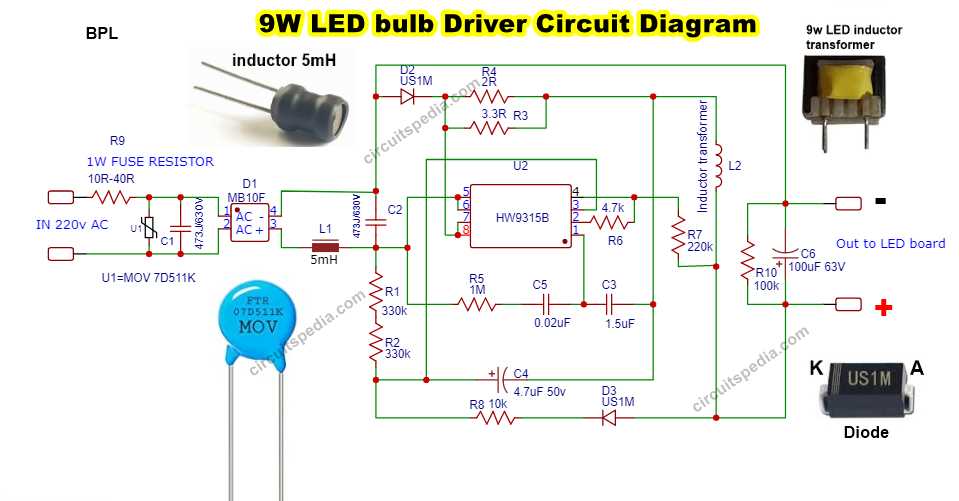
Select a step-down transformer with primary rating near 230-volt alternating input and secondary output close to twelve-volt AC. Current capacity must match the lighting load. Small installations with a single strip may require about 1A, while larger installations with several modules can demand 3A–5A. Copper winding insulation class should support temperatures above 100°C.
The rectification stage converts alternating power from the transformer into pulsating direct current. A full bridge rectifier made from four diodes such as 1N5408 or a packaged bridge unit rated for at least 3A provides reliable conversion. Reverse voltage rating should exceed 100V to handle peaks from the secondary winding.
Ripple smoothing relies on a large electrolytic capacitor connected across the rectifier output. Typical capacitance ranges between 1000µF and 4700µF with voltage rating above 25V. Higher capacitance reduces ripple and stabilizes the supply feeding semiconductor lighting strips and modules.
Additional parts improve stability and protection: a fuse on the mains input rated between 500mA and 2A, a voltage regulator such as LM7812 or a buck converter module, heat sink plates for power components, and a small ceramic capacitor around 0.1µF placed near the regulator pins to suppress high-frequency noise.