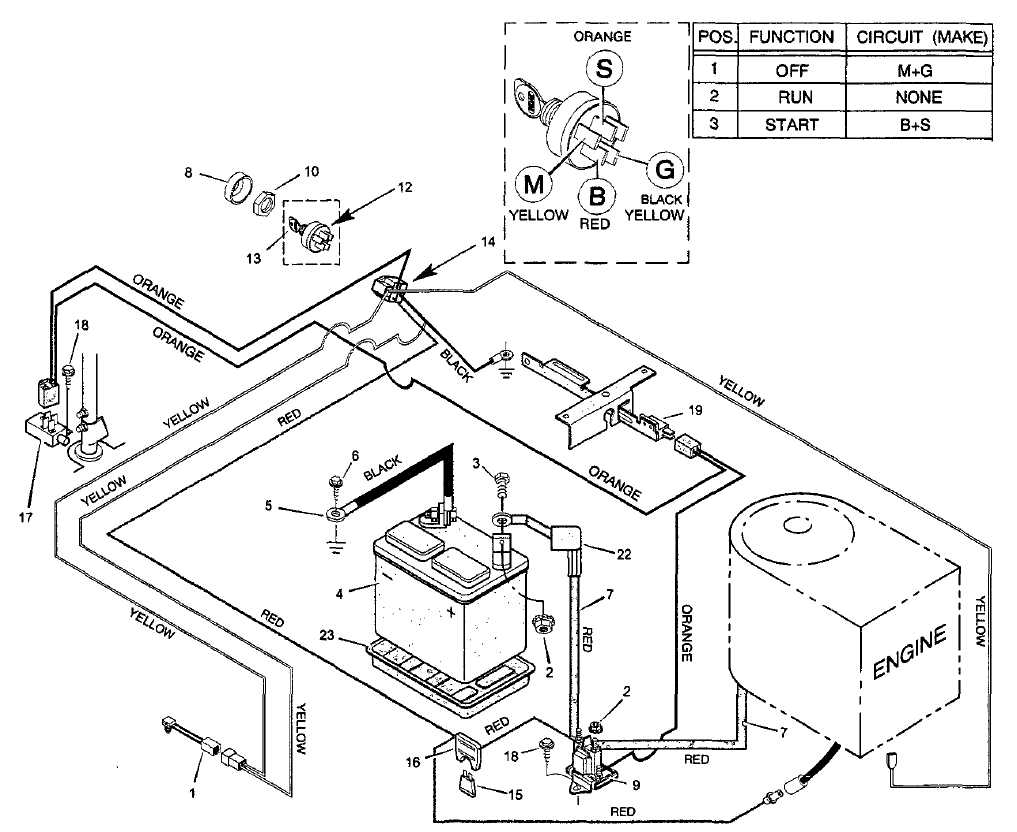
If your equipment isn’t powering up or if certain features aren’t working properly, first check the battery terminals for any corrosion. Clean the terminals with a wire brush if necessary and test the voltage to ensure it’s within the recommended range, typically around 12.6 volts for a fully charged battery.
Next, inspect the main fuse box. A blown fuse can disrupt power to critical components, such as the ignition system or motor. If you notice any damaged fuses, replace them with the correct amperage rating. Always verify that you’re using the right fuse to prevent future issues.
When dealing with power loss or malfunctioning components, check the connections leading to the motor or control panel. Ensure all wires are securely connected and free from wear. If you suspect a short circuit, use a multimeter to test for continuity and locate any broken or shorted wires.
For lighting or electrical switch failures, ensure that all components are properly grounded and the connections are solid. Worn-out switches or faulty wiring can cause intermittent power issues, so check the switches and replace any damaged ones.
If you’ve replaced fuses and checked the wiring and the issue persists, the problem might lie within the motor or electrical components like the alternator. It’s advisable to consult a professional for further diagnostics to avoid causing more damage to the system.
Electrical System Guide for Your Garden Equipment
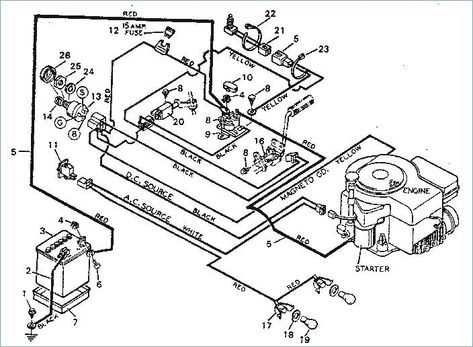
Start by checking the battery to ensure it’s charged and that the terminals are clean. If the battery is below 12 volts, recharge it. Corroded or loose connections can prevent the proper flow of electricity, so always verify that the terminals are tightly secured and free from corrosion. If the battery seems fine but the equipment still won’t start, proceed to inspect the fuse box for any blown fuses.
The fuse box is one of the most common areas where electrical failures occur. If a fuse has blown, replace it with one that matches the required amperage. A mismatched fuse can cause further issues or even damage other electrical components. If the new fuse blows immediately, there may be a short circuit or overloaded circuit, which requires further investigation of the wiring and connections.
If the fuse and battery appear to be functioning correctly, check the motor and control switches for any signs of wear or malfunction. Loose connections or damaged wires can disrupt the power supply. Use a multimeter to test for continuity in the circuits, ensuring all parts are properly connected. In cases where the problem is unclear, it’s advisable to consult a service manual or technician to avoid further damage to the system.
How to Identify Faulty Wiring in Your Garden Equipment
Inspect the power connections to identify any loose or corroded terminals. A simple visual check can reveal issues, but using a multimeter to test the voltage at different points can provide more detailed information. Low or fluctuating voltage readings suggest a connection problem. Examine the wires for visible damage such as fraying, cuts, or burn marks that could indicate a short circuit or faulty insulation.
Check for any burnt or discolored areas around switches and connectors. Overheated components often indicate a wiring fault, such as an overload or short. In these cases, power flow may be inconsistent, and components may fail to activate. Replacing damaged sections or reattaching loose wires will often resolve these issues. If problems persist, test the continuity of the affected wires and connectors to locate the exact point of failure.