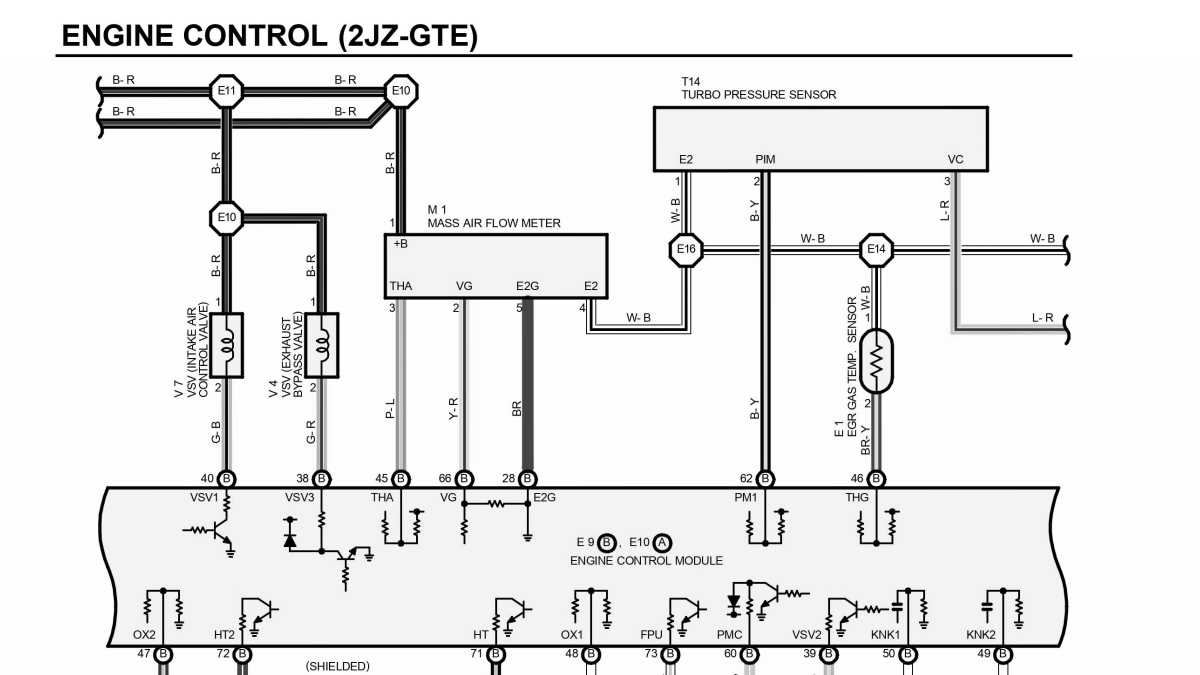
Focus on identifying each symbol and line type to trace circuits accurately. Solid lines indicate power or signal paths, dashed lines represent optional connections, and arrows show current flow direction.
Verify voltage sources and grounding points before testing components. Red or orange lines usually indicate switched power, black or brown cables serve as chassis ground, and blue leads may trigger auxiliary modules.
Follow the sequence of connections to avoid misinterpretation. Start at the power source, move through fuses or relays, and track each branch to its corresponding device or sensor.
Test continuity and signal paths with a multimeter to confirm integrity. Check each terminal individually, ensuring correct polarity and no shorts exist before reconnecting modules or reassembling panels.
Interpreting Vehicle Electrical Schematics
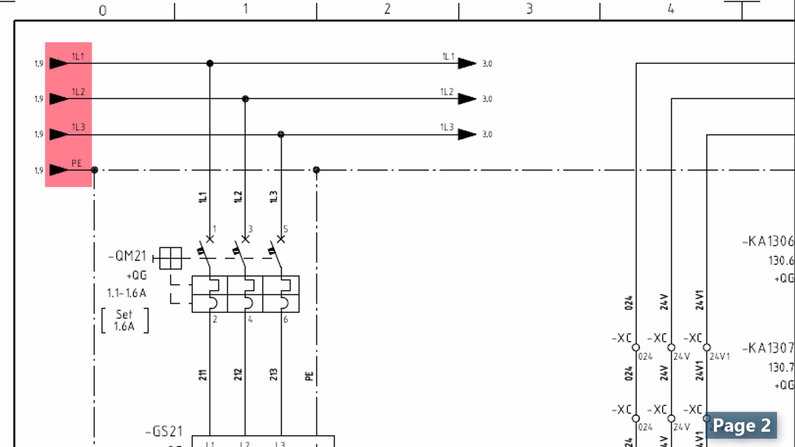
Identify each symbol and trace its connection from the power source to the component. Solid lines represent active circuits, dashed lines indicate optional paths, and arrows show current direction for sensors or actuators.
Label all terminals and junctions before testing. Use color codes to match connectors: red or orange for switched power, black or brown for ground, and blue for control triggers. Accurate labeling prevents misconnection and short circuits.
Follow circuit sequences sequentially. Start at fuses or relays, move through branching paths, and check every inline device. Components like motors, switches, and sensors must be verified individually for continuity and correct polarity.
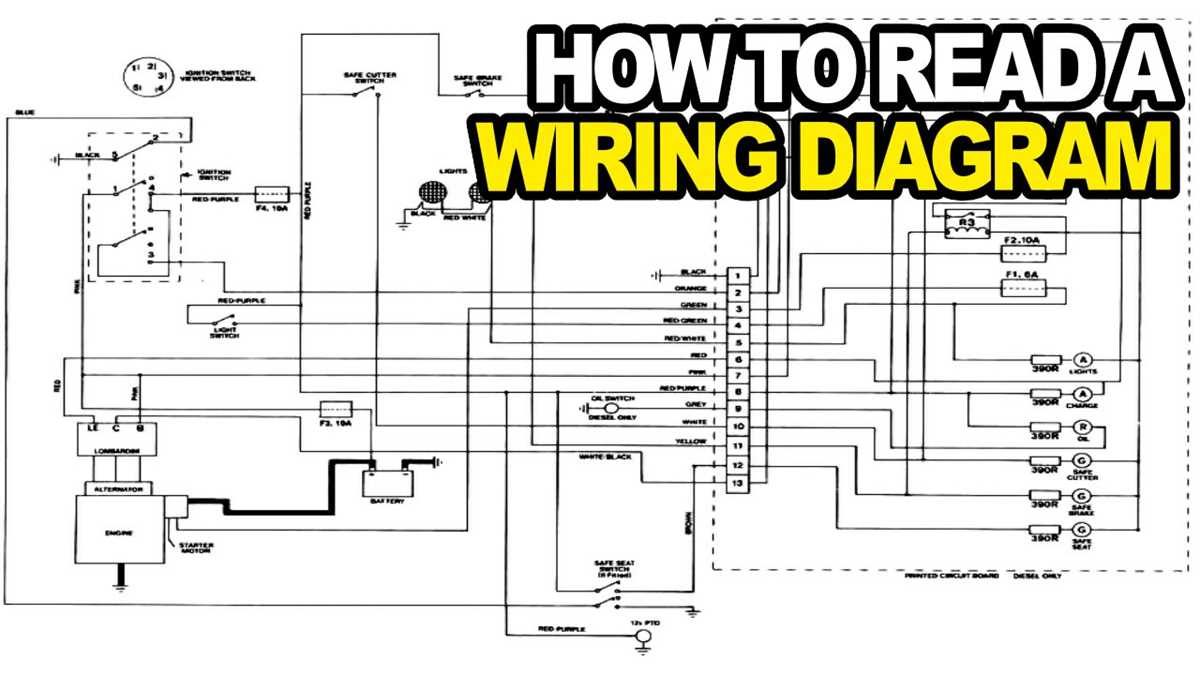
Use a multimeter to confirm voltage and continuity. Measure each lead separately, ensuring signal integrity and absence of shorts. Testing before full assembly avoids repeated disassembly and ensures reliable operation of all electrical systems.
Understanding Symbols and Line Styles in Vehicle Schematics
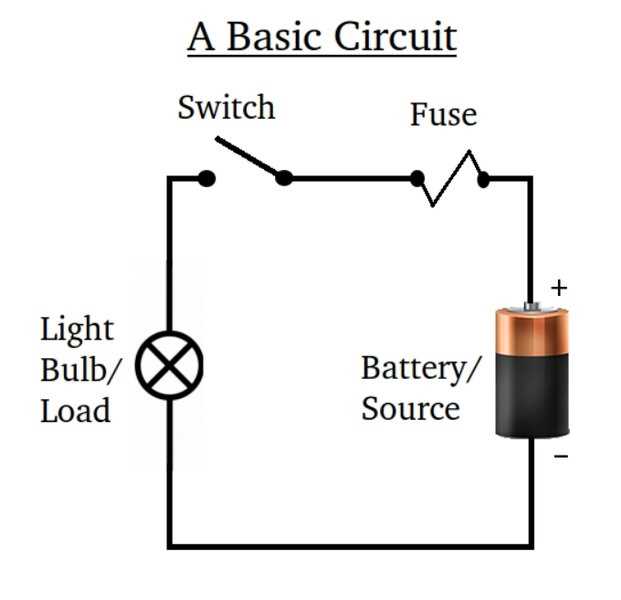
Identify each graphical symbol accurately before tracing circuits. Rectangles typically represent modules, circles indicate sensors or indicators, and zigzag lines denote resistive elements. Recognizing these allows precise mapping of current flow.
Follow line styles to determine connection types. Solid lines carry active power or signal, dashed lines indicate optional or secondary paths, and bold lines often represent main supply circuits. Correct interpretation prevents misrouting and short circuits.
Combine symbols and colors for clarity. Use connector color codes alongside symbols to match terminals. Red or orange indicates switched power, black or brown for ground, and blue for control triggers. Testing each path with a multimeter confirms proper continuity before assembly.