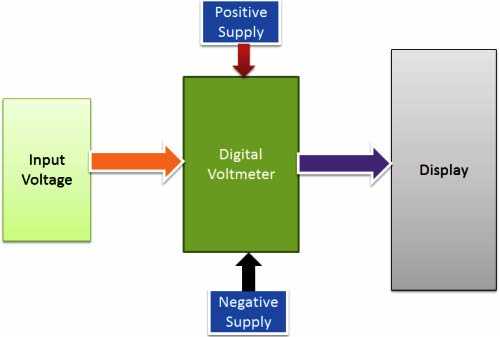
Connect the microcontroller or display module directly to the input leads to measure voltage levels precisely. Use resistors to create a voltage divider for higher ranges and ensure the input does not exceed component limits.
Select accurate reference components such as precision resistors and stable power sources to maintain consistent readings. Calibrate the system with a known voltage to correct minor offsets in the measurement.
Arrange all connections on a stable platform like a breadboard or printed board. Keep leads short and organized to reduce noise and improve signal integrity.
Include a filtering capacitor across the input to smooth fluctuations and prevent spikes from affecting the readout. A small ceramic capacitor of 100nF typically stabilizes the measurement effectively.
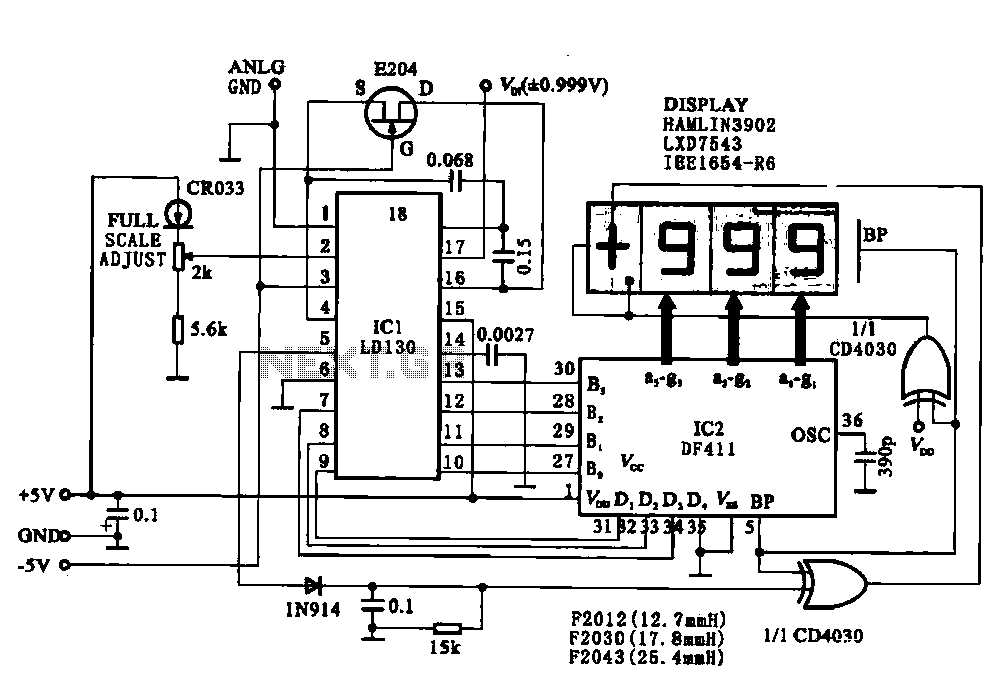
Test the assembly under different voltage levels to verify linear response and accuracy. Compare readings with a calibrated reference to confirm proper operation.
Label input and output terminals clearly to avoid misconnection during future testing or expansion. Use heat shrink or adhesive tags for durability.
Document the configuration and component values for repeatability and troubleshooting. This record simplifies adjustments and ensures reliable performance in subsequent builds.
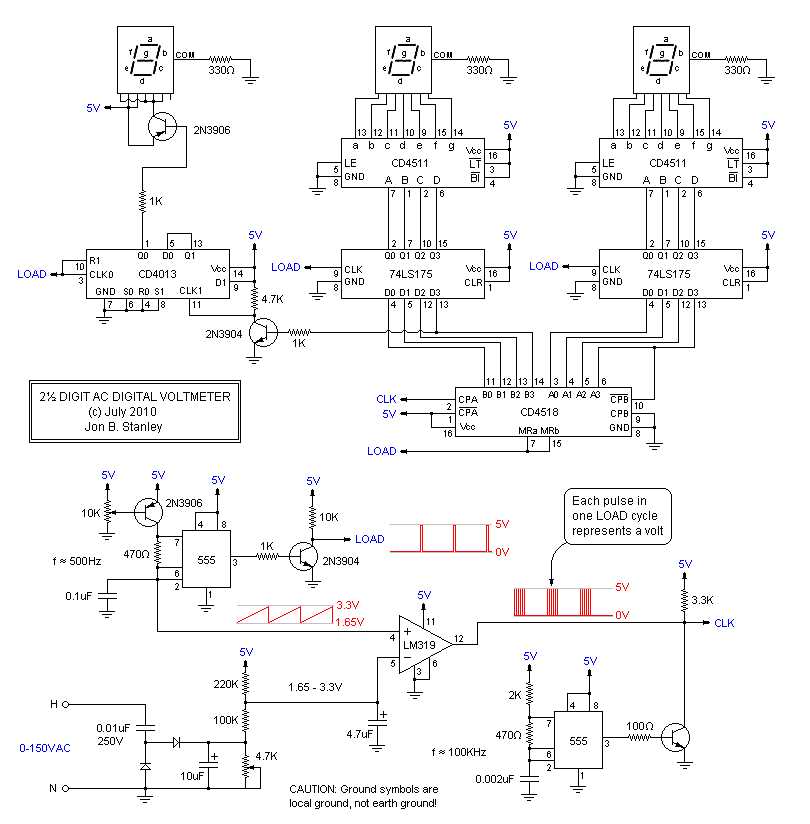
Step by Step Guide to Building an Accurate Electronic Voltage Reader
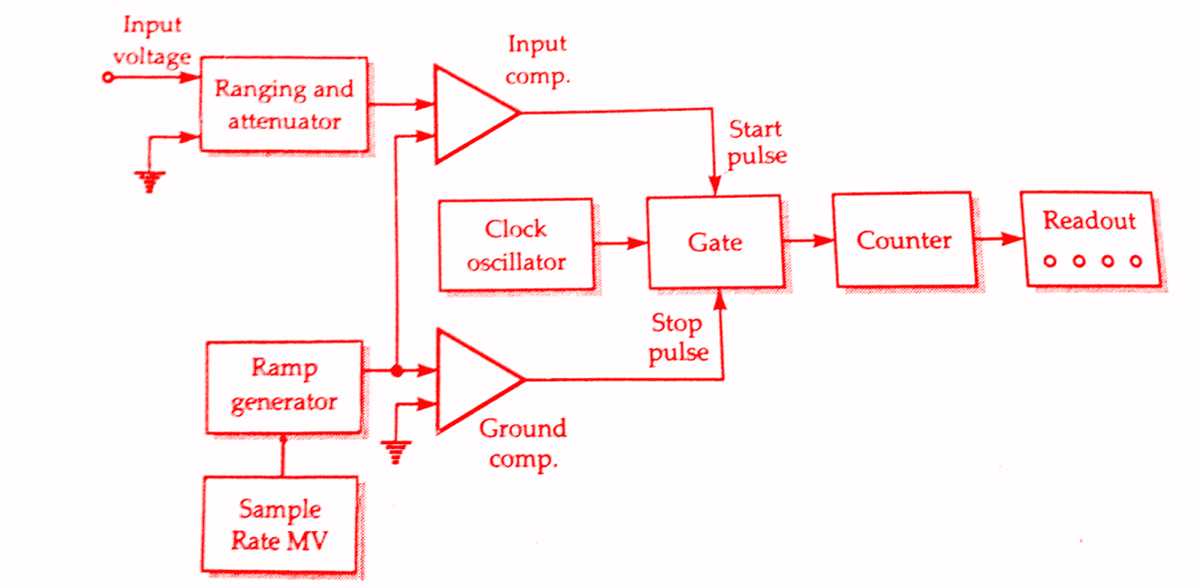
Start by connecting a precision reference resistor network to the input terminals to limit current and protect components. Attach a microcontroller or display module directly to the leads, ensuring all connections are clean and secure. Use short, organized wires to reduce interference and prevent signal loss.
Calibrate the system using a known stable voltage source and adjust the reference settings for exact readings. Include a small filtering capacitor across the input to smooth fluctuations and improve measurement stability. Test under various voltage levels to confirm linearity and accuracy before final assembly.
Identifying Components and Their Connections
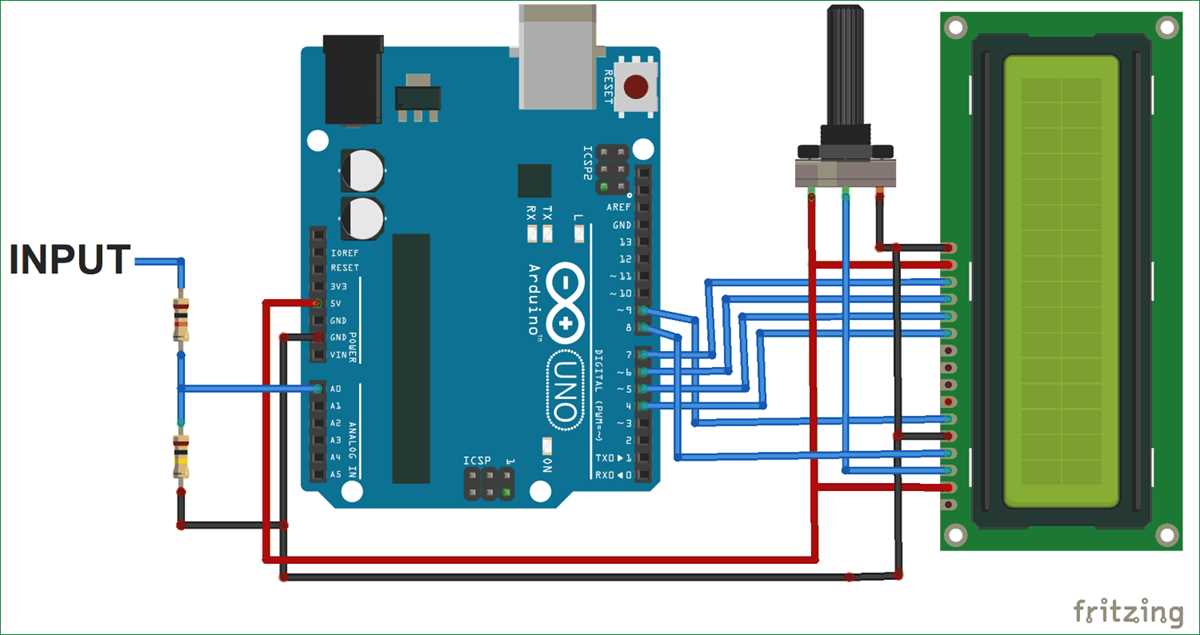
Begin with the display module or microcontroller and ensure all pins are clearly labeled. Verify power, ground, and signal inputs before connecting any external components to prevent damage or misreadings.
Select precision resistors and capacitors for input scaling and filtering. Place resistors in series with the input to limit current, and add a capacitor across the input to smooth voltage variations and reduce noise.
Check the power supply connections to maintain stable operation. Use regulated sources and decoupling capacitors near sensitive ICs to prevent voltage spikes and ensure accurate measurement performance.
Organize all conductors carefully and avoid long, looping wires. Short, direct connections improve signal integrity and minimize errors caused by electromagnetic interference.
Test each component individually before final assembly. Measure resistor values, confirm capacitor capacitance, and verify continuity on all leads to guarantee correct installation and reliable operation.