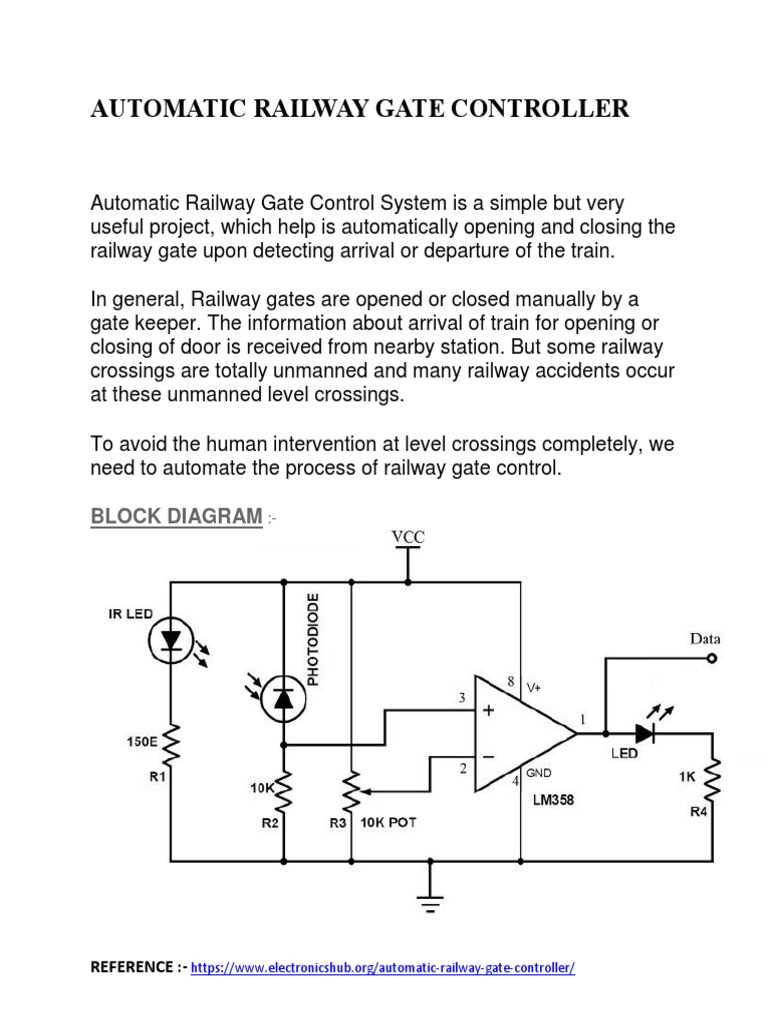
Use a 12V DC power supply with at least 5A output to drive the actuator reliably. Ensure all relays are rated for the motor load to prevent overheating and premature failure.
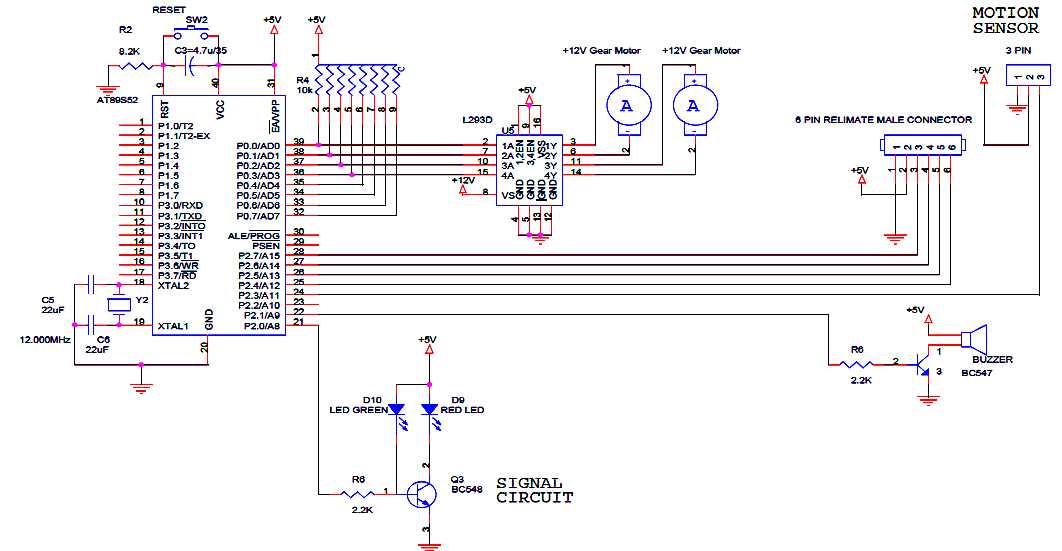
Position limit switches at fully open and fully closed points to avoid overtravel. These switches should be wired directly to the relay module inputs for precise stopping of the movement.
Select a microcontroller or timer module capable of handling multiple inputs and outputs. Assign dedicated pins for sensor signals, push buttons, and LED indicators to maintain clear operational logic.
Use shielded cables for signal lines to reduce electromagnetic interference from nearby power lines. Keep motor wiring separate from low-voltage sensor lines to maintain signal integrity.
Test each section individually before combining all components. Verify that the motor responds correctly to inputs, relays activate without delay, and sensors trigger consistently under various conditions.
Stepper Motor Entry Setup Layout
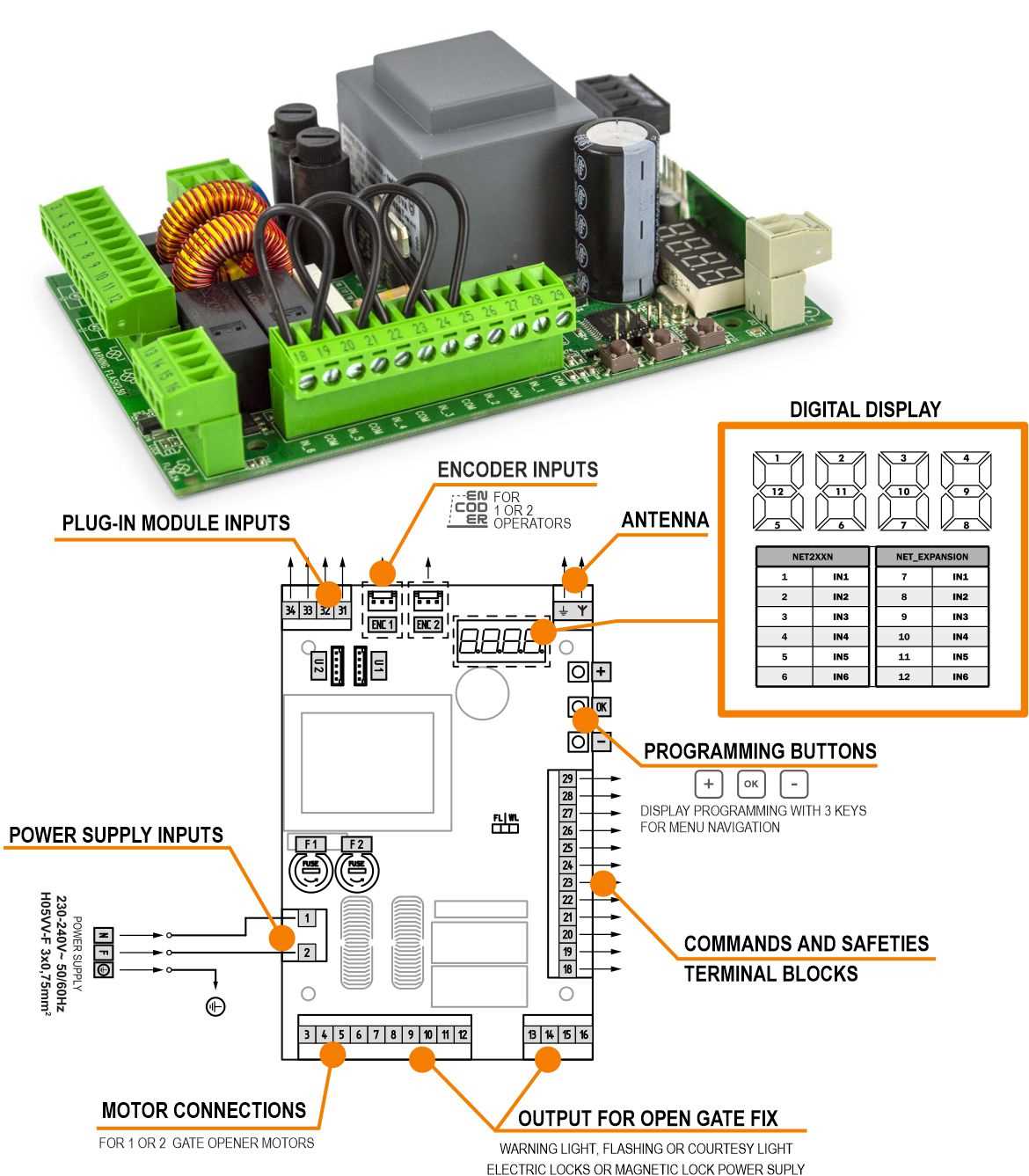
Use a 24V DC motor with a minimum 3A rating for smooth sliding movement. Connect a motor driver module capable of handling peak currents up to 5A to prevent overheating during frequent operation.
Install magnetic reed sensors at both open and closed positions to provide accurate feedback for the control logic. Position them at least 10mm from mechanical stops to reduce mechanical stress.
Wire the push button and remote receiver modules to isolated inputs on the microcontroller board.
- Use debounce circuits for buttons to avoid multiple triggers.
- Integrate optocouplers for signal protection.
Use a fuse rated slightly above motor operating current on the main power line. This prevents damage from short circuits and sudden current spikes without interrupting normal operation.
Check relay response times when switching the motor direction. Delays longer than 20ms can cause misalignment or jerky movement, so choose modules with mechanical or solid-state relays rated for at least 10,000 cycles.
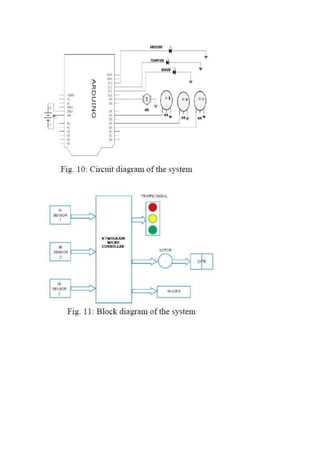
Perform step-by-step functional testing:
- Verify each sensor triggers correctly.
- Confirm motor rotates in correct direction.
- Ensure indicator LEDs reflect the current position.
Document results to adjust timings or wiring before full integration.
Selecting Components and Power Requirements for Motorized Entry
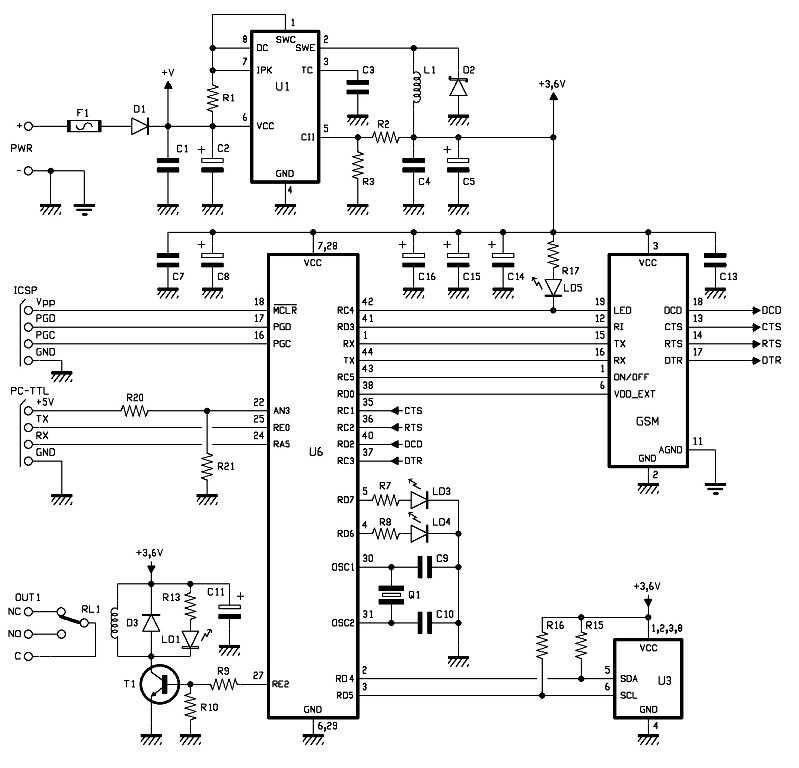
Choose a 24V DC actuator rated for at least 60W continuous power and 100W peak load. Pair it with a H-bridge motor driver capable of handling 5A per channel and include thermal protection to prevent overheating. Use 16–18 AWG wires for motor connections and separate low-voltage signal lines to avoid interference.
Calculate total current draw including sensors, LEDs, and relay modules. Add a 20% safety margin to prevent voltage drops. Install a 30A fuse on the main supply and consider a small capacitor bank near the motor terminals to stabilize voltage during startup surges.