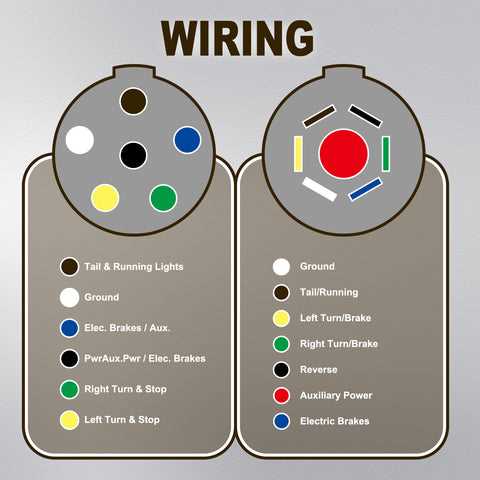
Start by matching each wire with its designated function using standard color references. White is for the ground connection, brown handles tail and side marker lights, yellow controls left turn signals, green manages right turn signals, blue operates brakes, red supplies auxiliary power, and black supports reverse lights. Ensuring correct alignment prevents short circuits and equipment failure.
Secure each conductor in its corresponding slot and tighten the fasteners to avoid loose contacts. Corrosion can compromise conductivity, so applying dielectric grease to metal surfaces is recommended. Verify insulation integrity along the entire length of each cable to reduce the risk of accidental grounding.
After completing the connections, perform a functional test using a multimeter or a test lamp. Check that signal lights respond correctly, brake circuits engage under load, and auxiliary systems receive steady voltage. Consistent testing ensures the assembly will operate safely under varying driving conditions.
Connecting a 7 Wire Connector for Safe Operation
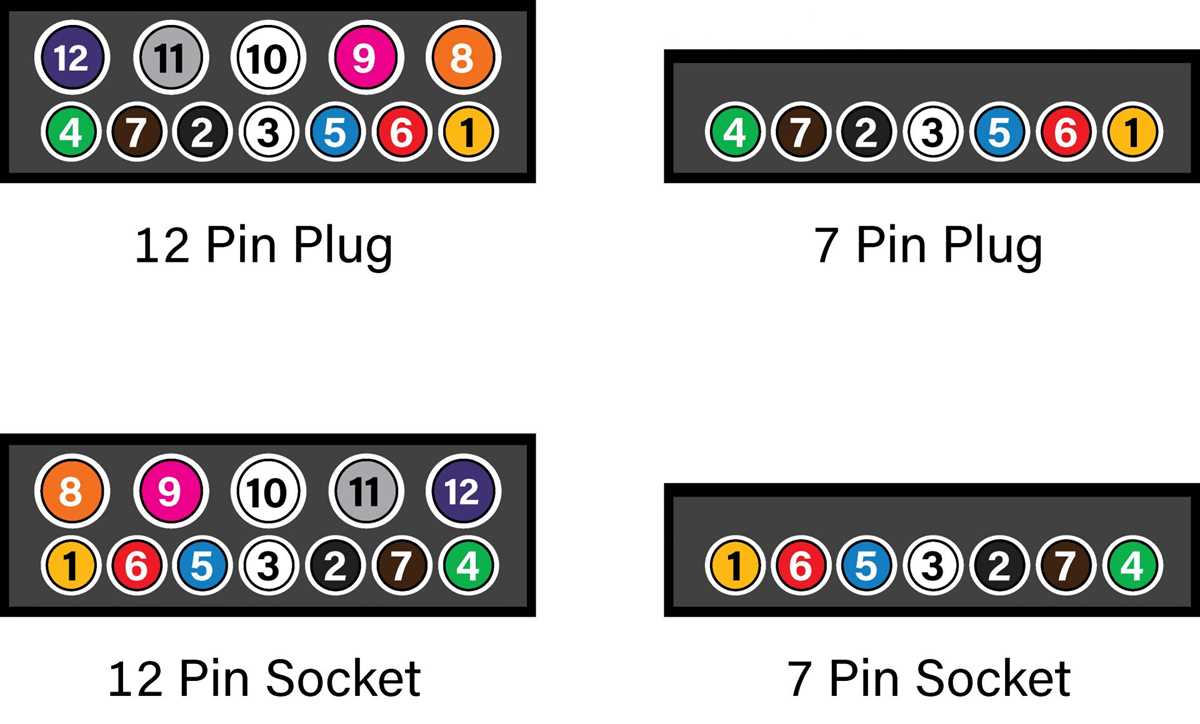
Match each conductor to its standard function using color codes. White serves as the chassis ground, brown handles side and rear lighting, yellow controls left turn indicators, green manages right turn indicators, blue operates braking circuits, red powers auxiliary devices, and black is for reverse signals. Precise alignment prevents electrical faults.
Strip the insulation only as far as needed to expose the copper strands. Too much exposure increases the chance of short circuits, while too little can result in poor contact. Proper stripping ensures stable connectivity.
Insert each wire into its slot and tighten the securing screws until resistance is felt. Loose connections can cause intermittent operation or complete failure of the system.
Apply a thin layer of dielectric grease on exposed metal surfaces to reduce oxidation. This helps maintain reliable current flow even in humid or wet conditions.
Route cables to avoid sharp bends or pinch points. Secure them with clips or ties, leaving enough slack for suspension movement and door operation. Stress on the conductors can lead to fractures and malfunctions.
After all conductors are installed, test the entire assembly with a voltage tester or multimeter. Activate each function individually and confirm that signals, brake lights, and auxiliary circuits respond correctly.
Perform a final inspection for insulation damage, corrosion, or loose screws. Ensuring mechanical and electrical integrity at this stage prevents failures during road use and extends the lifespan of the connection system.
Identifying Each Connector Slot and Its Function
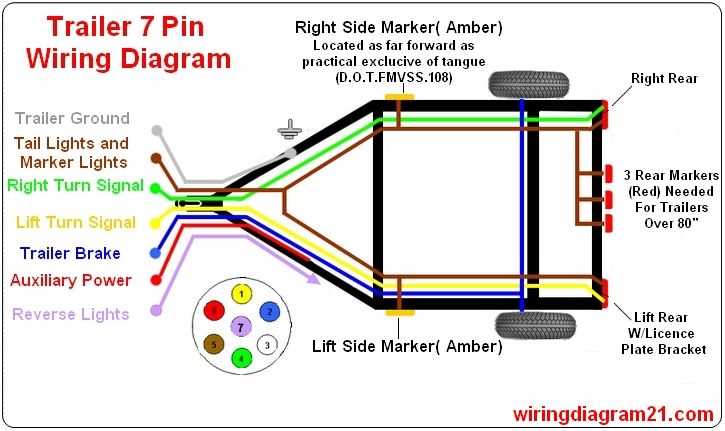
Begin by associating each conductor with its designated role using the standard color guide. Correct identification ensures all circuits operate without interference or shorting. Misplacement can disable lights, brakes, or auxiliary systems.
Follow the common color assignments:
- White: Ground connection to the vehicle frame
- Brown: Rear and side lighting circuits
- Yellow: Left directional signals
- Green: Right directional signals
- Blue: Service brakes control
- Red: Auxiliary power for accessories
- Black: Reverse illumination
Check each slot for corrosion or damage before inserting conductors. Clean contacts with a small brush or sandpaper to maintain reliable connectivity. Confirm metal surfaces are free of oxidation or debris that could cause resistance.
After assigning each wire, perform a continuity test. Use a multimeter to verify each connection corresponds to the intended function. Testing ensures that turn indicators, brake circuits, and auxiliary devices respond as expected under load.