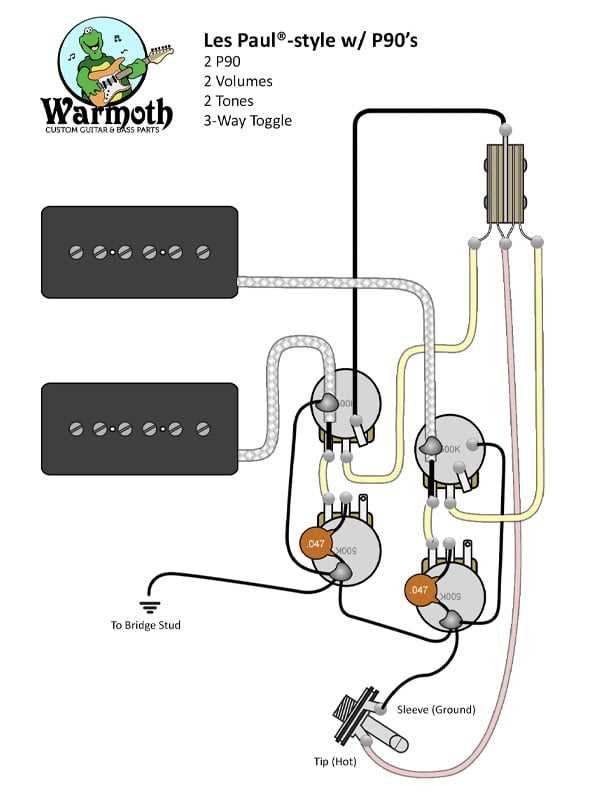
Identify each pickup lead and control component before making any connections. Use color codes and labels to distinguish between volume, tone, and switch wires to avoid mistakes that could affect signal flow.
Connect the output jack to the designated paths ensuring the hot and ground wires are correctly attached. Test continuity with a multimeter before soldering to prevent accidental shorts.
Route all leads carefully inside the cavity to minimize interference and maintain a clean layout. Keep wires separated from potentiometers and switches to avoid hum or signal degradation.
Solder connections firmly and inspect each joint under light to confirm proper contact. Trim excess wire and use heat shrink tubing or insulation to prevent accidental contact between components.
Test each switch and control individually after assembly. Verify signal flow from pickups through tone and volume adjustments to the output jack before closing the cavity to ensure accurate performance.
Instrument Electronics Connection Guide
Identify each pickup and control lead by color or label before connecting. Ensure the correct pairing of hot and ground wires to prevent signal loss or interference.
Connect volume and tone potentiometers to their designated paths. Check resistance values with a multimeter to confirm proper placement and functionality before soldering.
Attach selector switches accurately following the manufacturer’s layout. Test each position to verify that the signal routes correctly from pickups to output without interruptions.
- Red or white – hot pickup lead
- Black or bare – ground
- Yellow – secondary tone or phase switch
- Green – auxiliary connections or coil splits
Secure the output jack and connect hot and ground lines. Inspect all solder joints for solid contact and trim excess wire to prevent shorts within the cavity.
Test the full signal chain from pickups through controls to the output. Verify clarity, volume range, and tone response before closing the cavity to ensure reliable performance during play.
Identifying Pickups and Control Component Leads
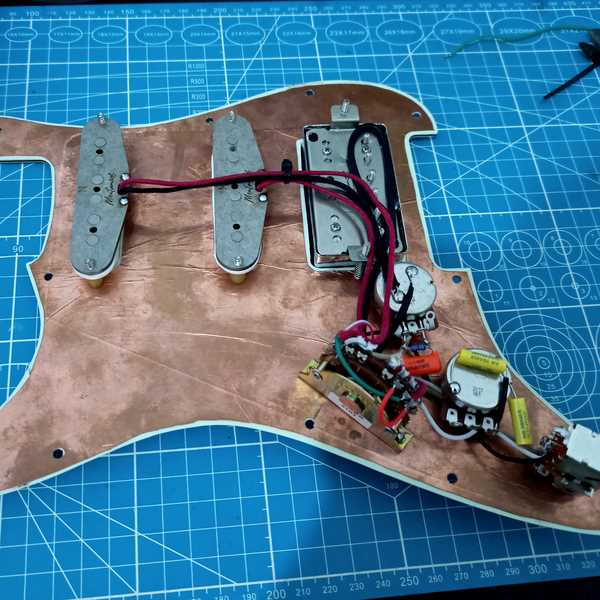
Examine each pickup conductor carefully and note its color or label. Red or white wires typically carry the hot signal, while black or bare wires are used for grounding. Confirm these using a continuity tester before making connections.
Control components such as volume and tone pots have designated input and output lugs. Measure resistance values across each lug to determine which lead affects the signal path and which connects to ground, ensuring correct placement.
Switches and coil-split mechanisms must be identified by their input and output pins. Trace the path from each pickup to the selector or switch to verify proper routing, preventing signal loss or phase issues when multiple options are engaged.