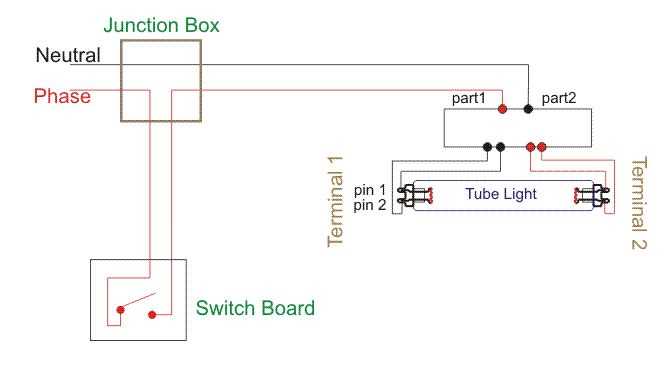
Connect the phase conductor from the mains input to the ballast first. The ballast limits current flowing through each fluorescent lamp during operation. From the ballast output terminal, route the conductor toward the first lamp holder pair while the neutral line runs directly to the opposite holder contacts.
Install a separate starter for each fluorescent lamp. The starter sits between the two filament pins at one end of the glass lamp. When the system energizes, the starter briefly closes its internal contacts, heating the lamp filaments and preparing the gas inside the lamp for ignition. After this short heating phase, the starter opens and the ballast produces the voltage spike that ignites the arc.
Link both lamps in parallel across the mains through the ballast network. Each lamp holder set contains four pins, two at each end of the fluorescent glass unit. Connect one side of each holder pair to the ballast output while the opposite side returns to the neutral conductor. This arrangement allows both lamps to operate independently; if one fails, the other can still function.
Use insulated connectors and maintain a ground connection to the metal fixture body. Proper grounding prevents electrical leakage and improves safety during maintenance. Keep conductor paths short inside the fixture housing and secure each connection firmly to avoid flickering or intermittent operation.
Double Tube Light Circuit Diagram
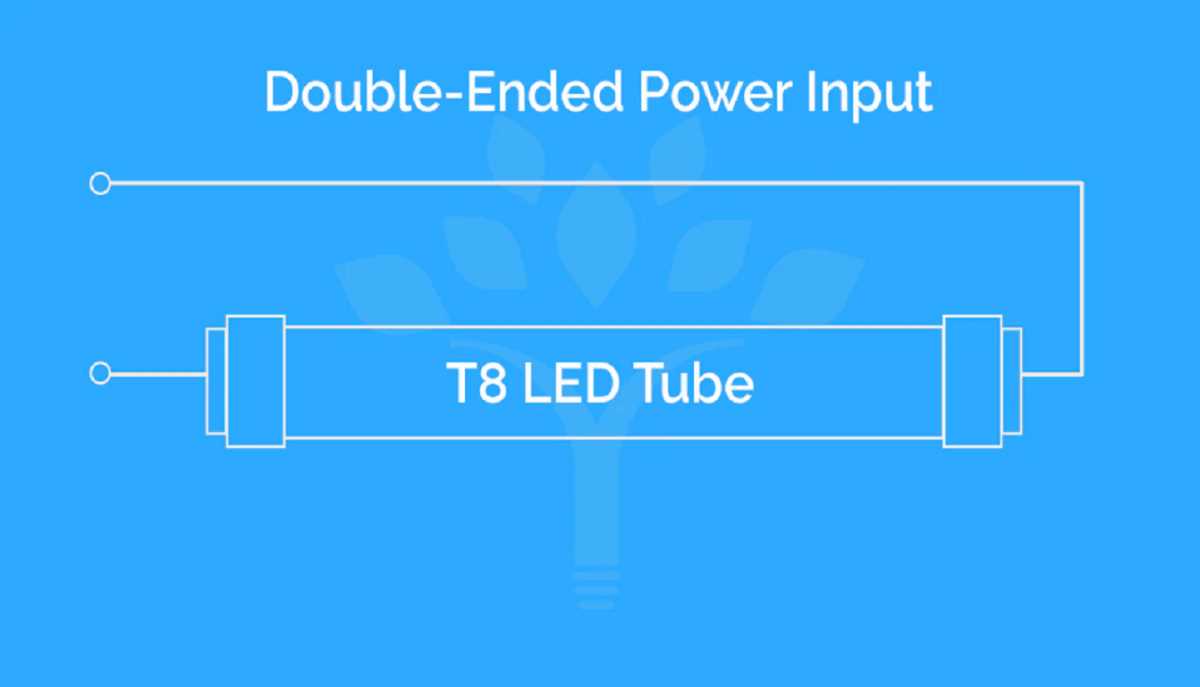
Connect the mains phase conductor to the ballast input terminal first. The ballast controls current for fluorescent lamps and prevents excessive current once the arc forms inside the glass lamps. From the ballast output, route a conductor to the first pair of lamp holders while the neutral conductor links to the opposite holder pins.
Typical connection path inside a fixture using two fluorescent lamps:
- Mains phase → ballast input terminal
- Ballast output → first lamp holder contact
- Starter connected between two pins on one end of each lamp
- Opposite lamp holder pins → neutral conductor
- Fixture metal body → grounding conductor
Install a separate starter for each fluorescent lamp. The starter temporarily closes its internal contacts and heats the filaments located at the ends of the glass lamps. After a short heating period, the contacts open and the ballast produces a voltage pulse that initiates the arc inside the gas-filled lamp.
Both lamps connect in parallel across the mains through the ballast network, allowing independent operation. If one lamp fails or is removed, the remaining lamp can still operate because each lamp holder pair and starter form a separate ignition path connected to the same ballast-controlled line.
Ballast and Starter Connections for Two Fluorescent Tubes on One Fixture
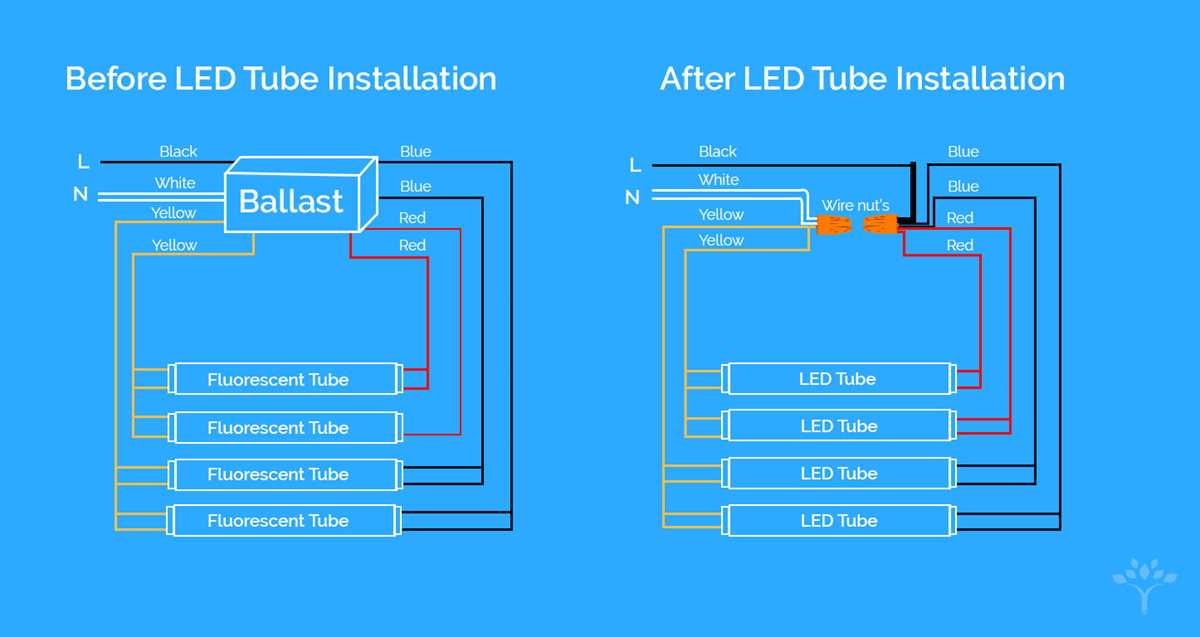
Route the mains phase conductor directly into the ballast input terminal. The ballast regulates current flowing through fluorescent lamps after ignition. From the ballast output terminal, extend a conductor toward the first lamp holder pair, then continue the line to the second lamp holder set so both lamps share the same current-limiting device.
Starter Placement and Lamp Holder Links
Install a separate starter for each fluorescent lamp. Each starter connects across the two filament pins located at one end of the glass lamp. During startup, the starter closes briefly, heating the internal filaments. After the contacts open, the ballast produces a voltage pulse that ignites the gas discharge inside the lamp.
Typical terminal arrangement inside the fixture places the ballast between the phase conductor and the lamp holders. The neutral line returns directly to the opposite filament pins. This layout forms a path where current flows through the ballast, then through the lamp electrodes, and finally back through the neutral conductor.
Parallel Operation of Both Lamps
Connect the two fluorescent lamps in parallel through the ballast output line. Each lamp receives its own starter and holder pair, allowing independent ignition. If one lamp burns out or fails to start, the other remains operational because its ignition path remains intact.
Attach the grounding conductor to the metal body of the fixture. Grounding prevents leakage current from reaching the housing and reduces shock risk during maintenance. Secure each conductor with insulated terminals and keep conductor runs short inside the enclosure to avoid flickering or unstable lamp operation.