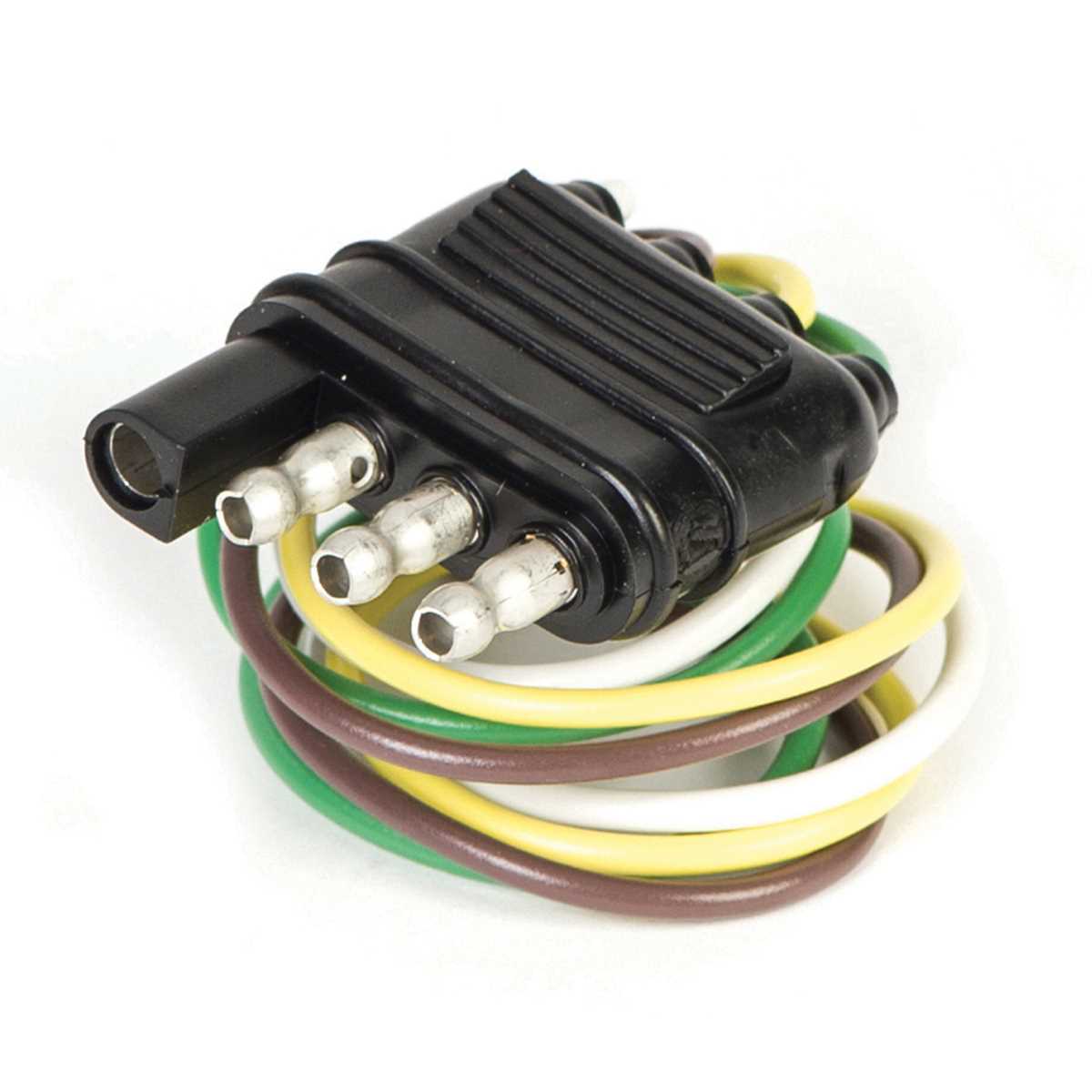
Connect the lights correctly: the white lead must attach to the chassis ground, ensuring all circuits share a solid reference point. The brown conductor controls the tail and marker lamps, while the yellow cable powers the left-turn signal and brake lights. The green wire manages the right-turn and stop signals. Verify each connection with a multimeter to prevent shorts or misfires.
Use proper terminals: ring or spade connectors reduce resistance and maintain stable contact under vibration. Avoid twisting bare wires together; this increases corrosion risk and intermittent failures during long trips. Applying dielectric grease to the contacts prolongs the life of the connections and reduces oxidation.
Check polarity and routing: keep the leads separate from moving parts and sharp edges. Secure them with clips or cable ties every 12 inches to prevent chafing. Ensure the plug end aligns with the tow vehicle socket orientation to prevent reversing signals or lighting errors. Testing with a small trailer simulator before full deployment helps detect wiring mistakes early.
Maintain circuit integrity: inspect the harness periodically for frayed insulation or loose connectors. Replace any damaged wires immediately rather than attempting temporary fixes. Consistent inspection avoids shorts that could disable lights or trigger false signals while driving at night or during adverse weather conditions.
Trailer Electrical Connector Setup: 4-Circuit Guide
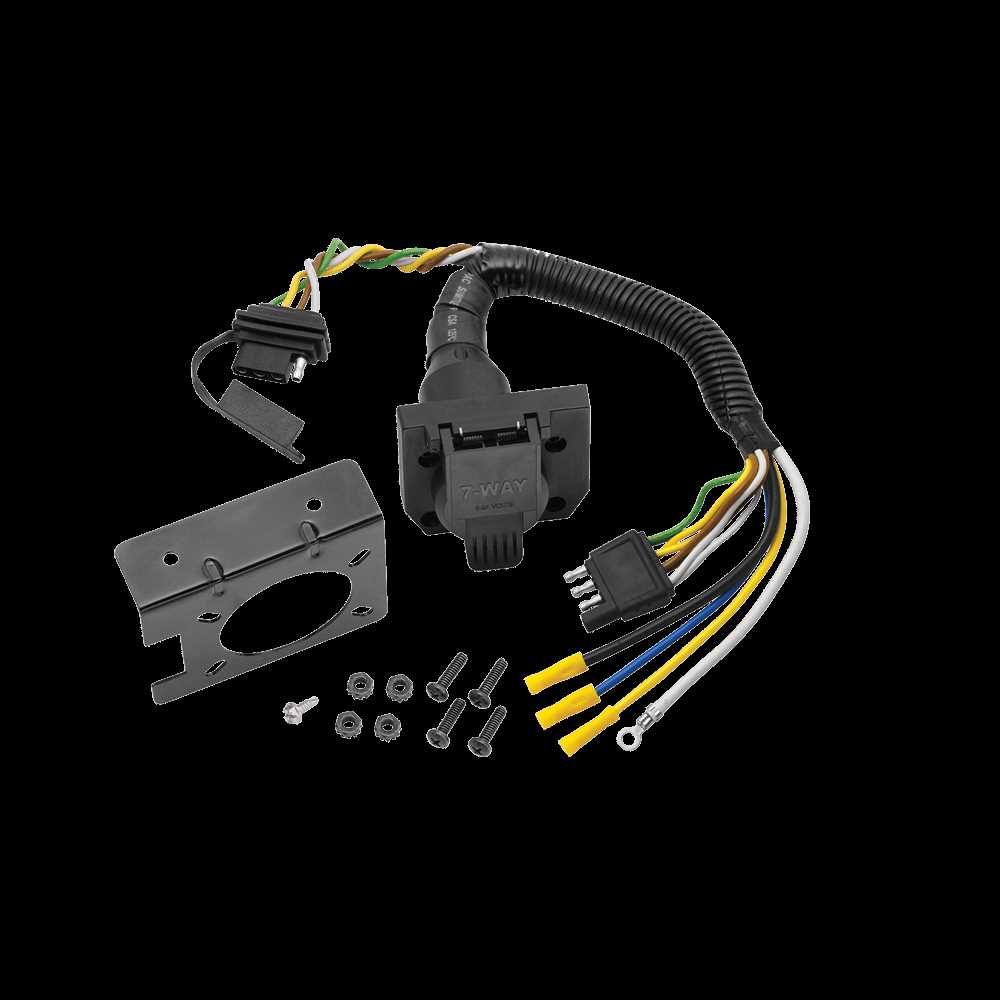
Use a 4-circuit connector to link braking lights, turn signals, and running lamps with the towing vehicle. Ensure each pin matches its function: left signal, right signal, tail lights, and ground.
Assign the white lead to chassis ground; poor grounding causes flickering or complete failure of lamps. Secure it directly to bare metal with a star washer for consistent contact.
Brown wire should carry running and tail lamp voltage. Avoid twisting with other circuits to prevent interference with turn signals.
Green cable handles right-side indicators, while yellow manages left-side. Label each cable at both ends to reduce confusion during maintenance or replacement.
Keep the connector mount clean and protected from corrosion. A small dielectric grease coating inside the socket prevents oxidation and ensures reliable current flow.
Installation Tips
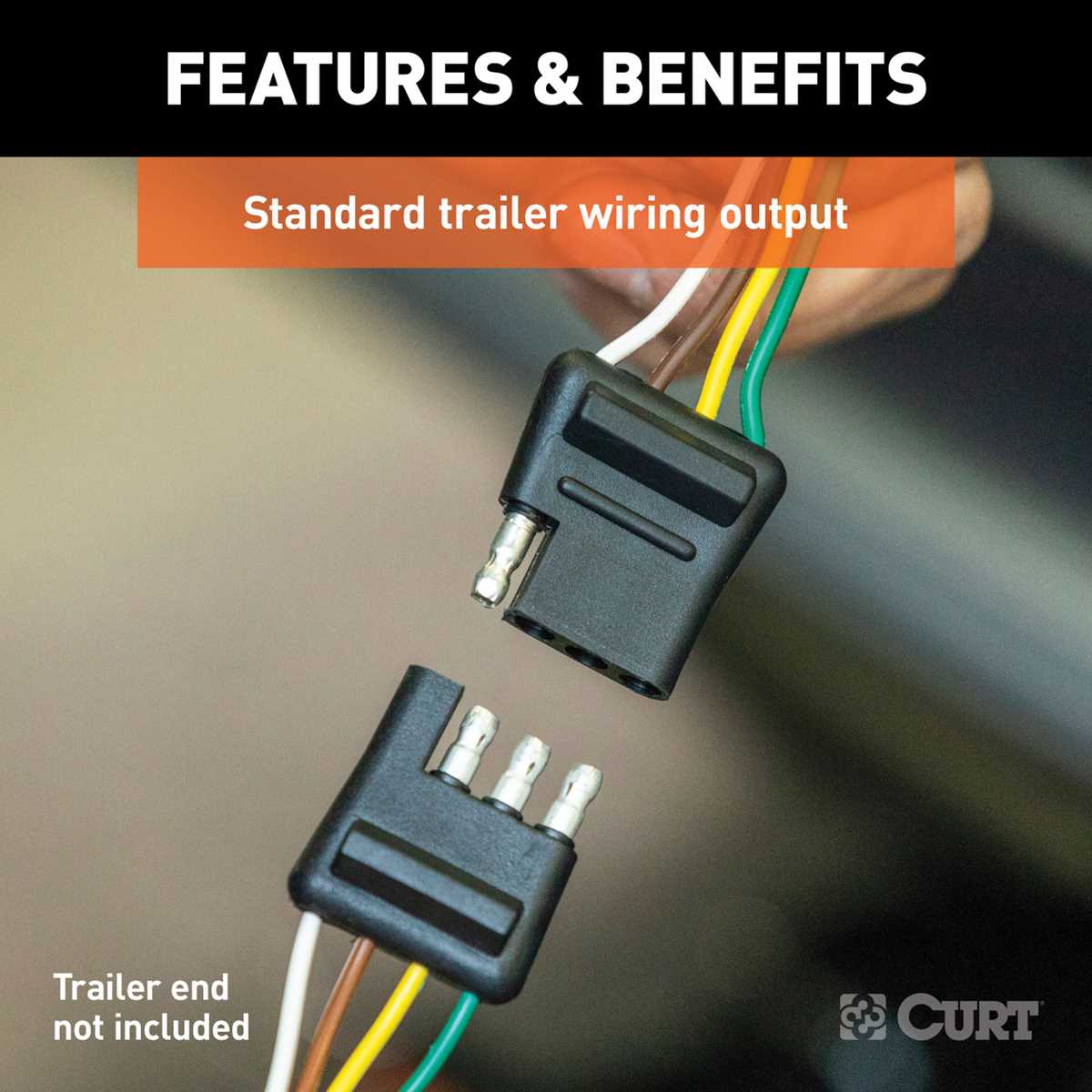
Route all cables away from sharp edges and heat sources. Use zip ties or clamps every 12–18 inches to prevent sagging and chafing.
Test each lamp individually after connection. Use a 12V test light to confirm continuity before securing the harness completely.
For trailers with frequent use, inspect the connector monthly. Tighten any loose screws and replace worn cables to maintain consistent signaling performance.
Identifying Each Wire Function in a 4-Flat Connector
Start by locating the four individual strands on the connector and note their color coding: brown, yellow, green, and white. The brown strand transmits the running or tail lights, while the yellow strand handles the left turn signal and brake light. The green wire controls the right turn signal and brake light, and the white wire serves as the grounding path, completing the circuit to the vehicle chassis. Label each wire immediately to prevent cross-connections and ensure consistent contact during attachment.
For testing, use a multimeter or a 12V test light to verify continuity before final connection. Attach the tester to each pin individually while activating the vehicle lights, confirming that the correct function corresponds to each strand.
- Brown – running illumination
- Yellow – left signal and brake
- Green – right signal and brake
- White – ground return
Secure any loose wires with shrink tubing or electrical tape to prevent short circuits, especially on metal surfaces where grounding issues may arise.