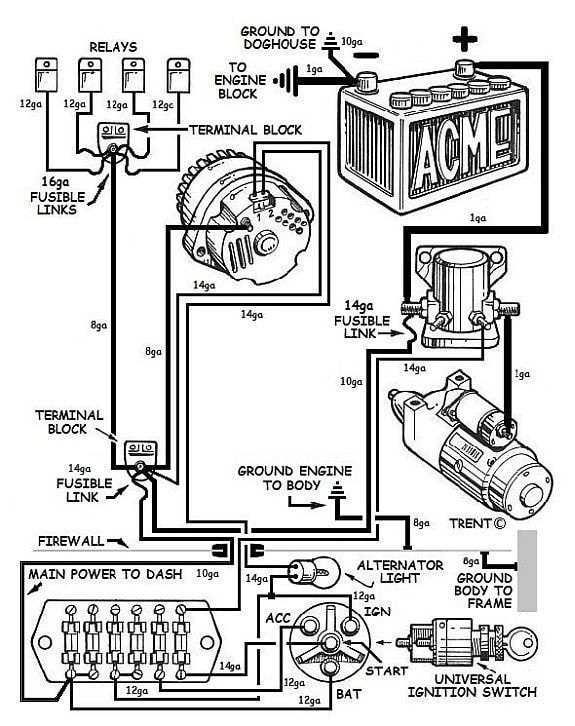
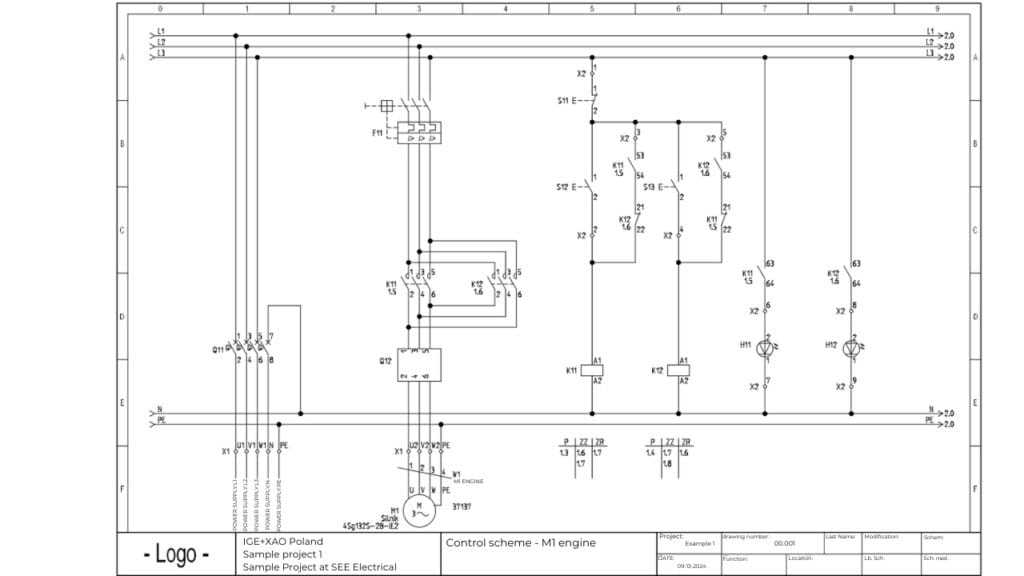
Begin by identifying the key components in the schematic. Look for the symbols that represent various electrical elements such as switches, resistors, and power sources. These symbols are standardized and typically follow a specific set of rules, so learning the basics of these representations is the first step in understanding any electrical setup.
Next, focus on the lines that connect the components. These lines represent wires or conductors and indicate how electricity flows through the system. Pay attention to the way these lines are labeled or grouped, as they can tell you whether the connections are for power, ground, or signals.
When dealing with a circuit diagram, identifying the power and ground sources is crucial. Usually, the power source will be at the top of the diagram, and the ground will be at the bottom. By tracing the flow from the power source to the various components, you can see how the system is powered and how each part functions.
As you move through the schematic, always check for any specific instructions on the diagram itself, such as voltage ratings or wire gauges. These details are important for ensuring safe and effective connections, and they can often prevent mistakes when installing or troubleshooting electrical systems.
Mastering the Basics of Electrical Schematics
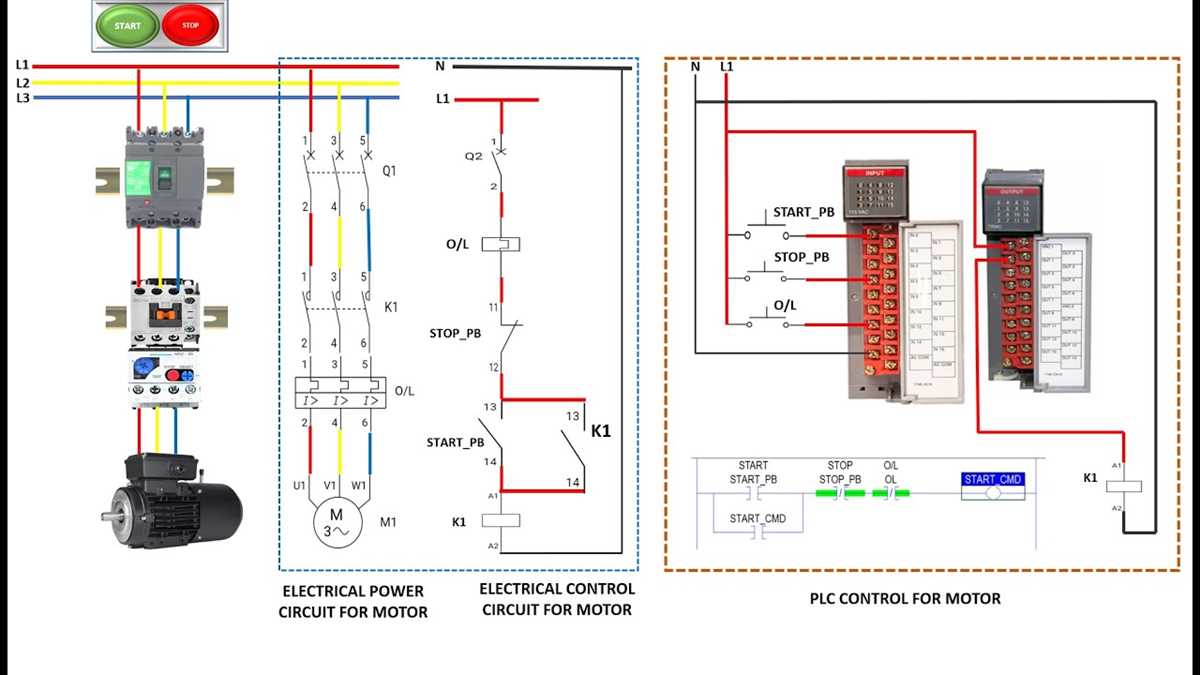
Start by identifying the power source in the schematic. This is typically the entry point for electrical flow and will be located at the top or left side of the schematic. Trace the lines from the power source to understand the route that the electrical current follows throughout the system.
Next, focus on the various lines connecting the components. These lines represent conductors or paths through which current flows. Pay attention to line types: solid lines usually represent physical wires, while dashed lines may indicate control signals or connections not directly carrying power.
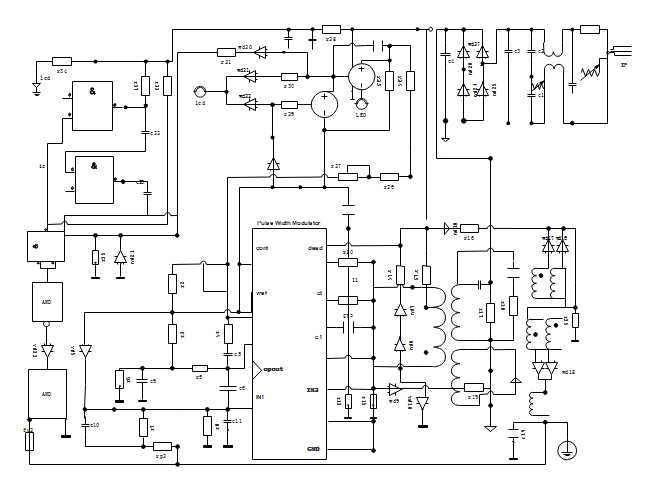
- Solid lines: Physical connections between components.
- Dashed lines: Indicate signals or control paths.
- Double lines: Often represent high-voltage connections or special types of circuits.
Additionally, take note of the component symbols. Each part of the system, such as a resistor, capacitor, or switch, will have its own symbol. Understanding these standard symbols is crucial to knowing what each element in the system does. If you’re unsure about a symbol, consult a reference guide for clarification.
Understanding Common Symbols in a Wiring Diagram
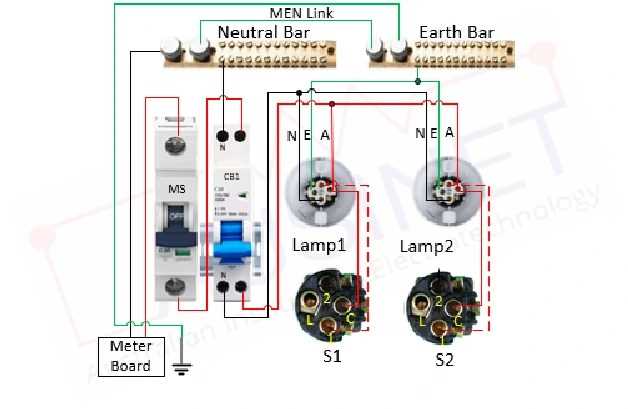
To accurately interpret a schematic, it’s crucial to recognize the standard symbols that represent different components. For example, a resistor is usually represented by a zigzag line, while a capacitor is depicted as two parallel lines with a gap in between. Knowing these visual cues allows for quick identification of parts and their functions within the circuit.
Another important symbol is the switch, typically shown as a break in the line with an angled line representing the movable part. Understanding how switches are drawn will help you recognize where circuits can be interrupted or controlled. Additionally, power sources such as batteries or power supplies are often represented by a pair of parallel lines, one longer than the other, indicating positive and negative connections.
Other Common Symbols
- Ground: A downward triangle or three horizontal lines stacked.
- Diode: A triangle with a line across one tip.
- Light Bulb: A circle with an X in the center.