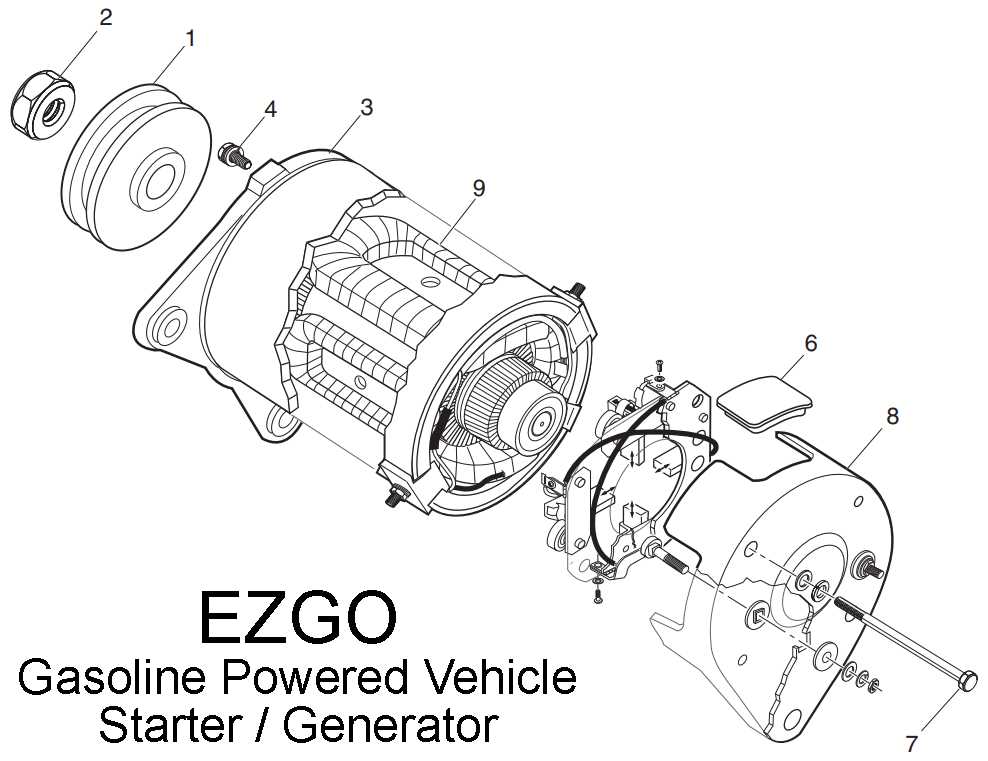
Check the main power lines from the battery to the ignition switch before attempting any component tests. Ensure that the positive terminal supplies a steady 12 volts under load, and the ground line is clean and securely attached to the frame.
Inspect the starter relay and solenoid connections for corrosion or loose terminals. Tighten screws and clean contacts with a non-abrasive solution to maintain consistent engagement when the key is turned.
Label all output and input lines leading to sensors, switches, and control modules. Misidentified connections can cause starting failures or trigger safety cutoffs, making it harder to troubleshoot later.
Test signal continuity along each path using a multimeter. A reading above 0.5 ohms may indicate resistance from oxidation or damaged wire insulation, which can reduce voltage to critical components and prevent proper operation.
Verify switch and safety interlock operation before reassembling the dash. Activate the brake and key switches to confirm that each output responds as expected, preventing unintentional activation or electrical shorts during use.
EZ Go Golf Cart Gasoline Engine Wiring Guide
Check the battery connections before starting any installation. Ensure the positive terminal is secure and free of corrosion while the negative terminal is tightly fastened to the frame to maintain stable voltage under load.
Verify the ignition switch terminals for continuity. Turn the key to the start position and measure voltage at the output pin; it should match battery voltage within 0.2 volts to confirm proper connection and prevent starter issues.
Starter Relay and Solenoid Connections
Inspect relay and solenoid terminals for oxidation or loose screws. Tighten all connections and clean contacts with a non-abrasive solution to ensure consistent activation of the starter motor without voltage drop.
Trace the brake and safety interlock lines to prevent accidental starting. Check that switches open and close correctly, allowing current only when the brake is applied and the seat switch is engaged.
Testing Auxiliary Power Lines
Check voltage supply to lights and accessories using a multimeter while the main key is on. Ensure each fuse is rated correctly and connections are clean to avoid dim lights or intermittent power to control modules.
Label all connections during maintenance to maintain consistent assembly. Photograph or sketch terminal assignments to prevent confusion, reduce troubleshooting time, and safeguard against reversed polarity or shorts when reinstalling components.
Perform a full system test after reconnecting all lines. Activate ignition, starter, and accessory circuits sequentially to confirm proper operation of each electrical path before using the vehicle in operation.
Identifying Ignition and Starter Connections
Start with the main ignition switch by checking that all terminals are clean and free of corrosion. Ensure that the battery voltage reaches the output pin when the key is turned to the start position to avoid starter failure.
Inspect the starter relay and solenoid connections for secure attachment. Loose screws or oxidized terminals can prevent current from reaching the starter motor, causing intermittent or failed starts.
Mapping Electrical Paths
- Label the positive feed line from the battery to the relay to track voltage delivery accurately.
- Identify the signal line from the ignition switch to the solenoid, ensuring continuity during testing.
- Confirm ground connections at both relay and solenoid terminals to avoid resistance that could reduce starter torque.
- Check inline fuses for proper rating and integrity, replacing any with visible wear or discoloration.
Testing Connections
- Apply voltage to the starter terminal briefly with a test lead to confirm motor rotation without engaging the ignition switch.
- Measure voltage drop across relay contacts while cranking; readings above 0.5 volts indicate resistance or poor contact.
- Verify safety interlock operation by pressing the brake and seat switches, confirming that the starter only engages under correct conditions.
Document all terminal identifications before disconnecting lines for maintenance. Use a combination of sketches and labels to ensure correct reassembly and prevent reversed polarity or shorts during reconnection.