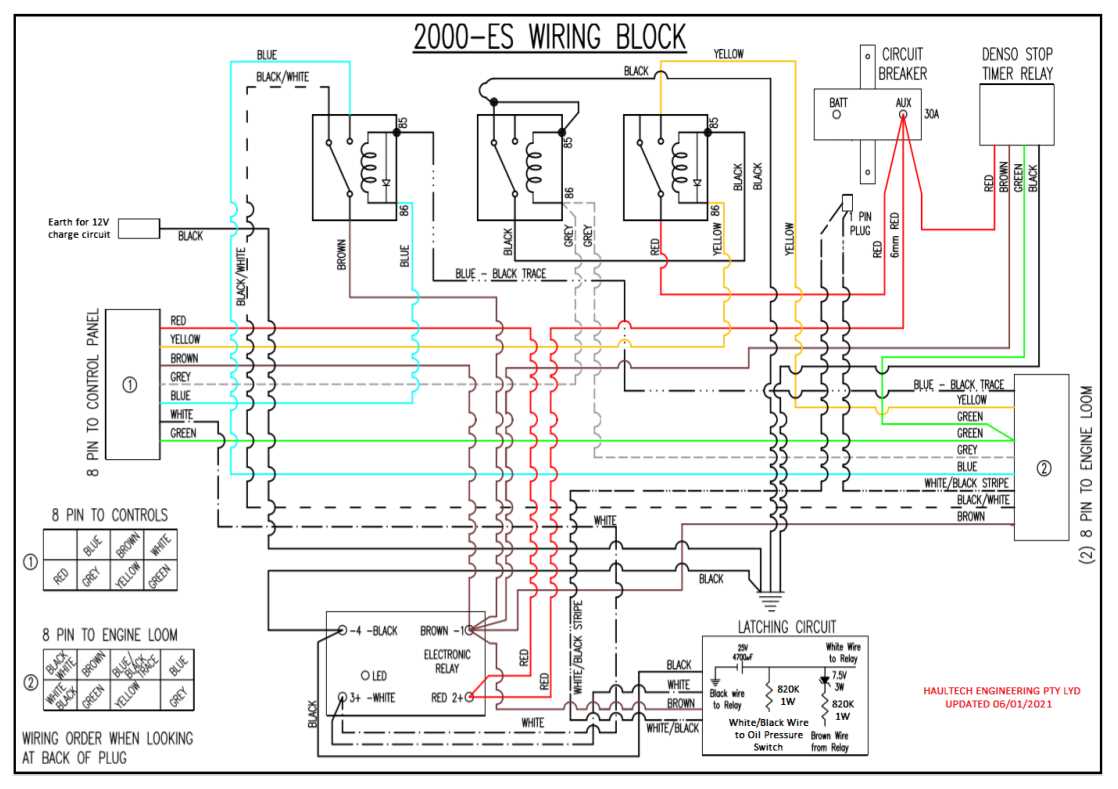
To successfully interpret an electrical circuit plan, begin by identifying the symbols for components like switches, resistors, and power sources. Each symbol has a universal representation that allows you to understand the setup of any given system.
Pay attention to the lines that connect these symbols. These lines indicate the flow of electricity and should be traced from the power source to the components in the system. A break or an unusual marking in a line can often point to an issue with the setup or a fault in the wiring.
Next, refer to the legend or key that typically accompanies a schematic. It explains each symbol and helps clarify any component-specific details. If no key is provided, you’ll need to rely on standard electrical symbols, which are widely available in technical manuals and online resources.
When troubleshooting a system, carefully compare the circuit to the actual installation. Use a multimeter to check voltages at various points along the path. Identifying discrepancies between the schematic and real-world measurements often leads to the root cause of issues.
How to Read and Interpret Electrical Wiring Schematics
Begin by identifying the key components in the schematic. These include switches, outlets, light fixtures, and power sources. Each element is represented by a specific symbol. A good practice is to familiarize yourself with the most common symbols before analyzing a specific plan.
Focus on the connections between components. Lines between symbols represent electrical conductors, usually wires, and indicate the path electricity takes. A continuous line shows an uninterrupted connection, while a break or dotted line suggests an alternative or switched path. Pay close attention to any changes in line thickness, as this could indicate the type of wire used, such as ground or neutral.
Understanding the Flow of Current
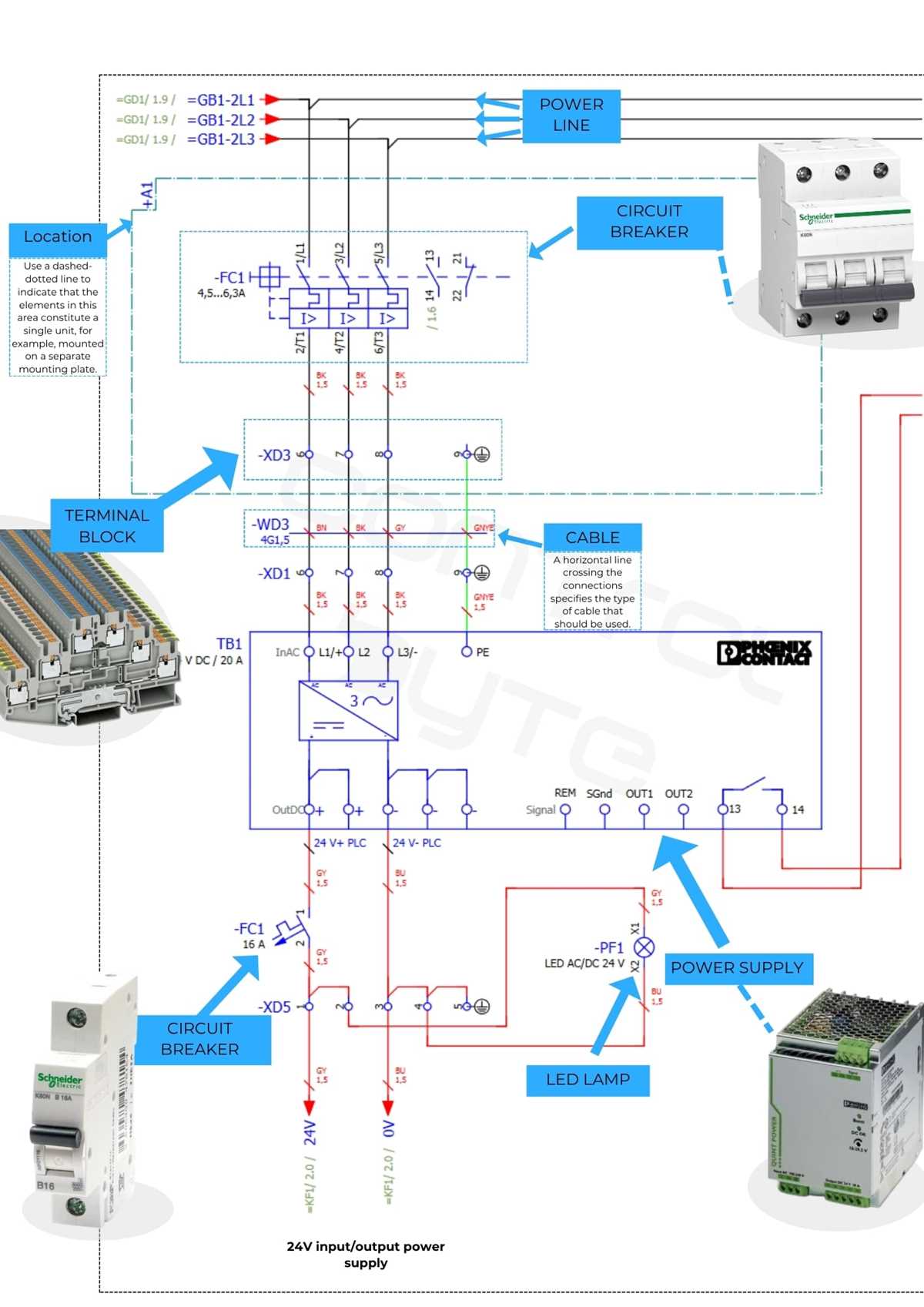
The flow of current is typically shown from the power source to the end device, such as a light or outlet. When reading a circuit plan, trace the path starting from the source, which is usually marked with a power symbol. The current flow will be represented by the arrangement of components and connections, helping you understand how the electricity is routed through the system.
Check for wire color codes. In many electrical plans, the wires are color-coded to distinguish between different types of connections. Black or red wires generally indicate the live or hot wires, while white or gray typically represent neutral connections. Green or bare wires are commonly used for ground connections. Understanding these color codes is crucial for proper installation and safety.
Identifying Switches and Circuit Breakers
Look for switches and circuit breakers in the schematic. A switch will often be drawn as a break in the line, indicating its ability to open or close the circuit. Circuit breakers are usually represented as a box or a rectangle with a line through it. These elements are vital in controlling the flow of electricity and ensuring that the system is safe from overloads.
| Component | Symbol | Common Usage |
|---|---|---|
| Power Source | ⎯⎯⎯⎯⎯ | Provides electrical current to the system |
| Switch | ⎯o⎯ | Opens or closes the circuit to control current flow |
| Circuit Breaker | [ ] | Protects the circuit by interrupting power in case of an overload |
| Light Fixture | Indicates a lighting device connected to the circuit |
Finally, always cross-check the schematic with the actual installation. Physical verification can help ensure that the components are correctly placed and that the circuit is configured as shown in the plan. This step is especially important when diagnosing faults or making modifications to an existing system.
Common Types of Electrical Schematics Used in Systems
The most common type of electrical connection representation is the single-line diagram. This type uses a simplified, single line to show the electrical flow between components. It is especially useful for larger systems as it reduces complexity, providing a high-level overview of how power is distributed and connected.
Another widely used format is the schematic diagram, which shows the electrical components in more detail. It depicts every component and its connection precisely, using standardized symbols. This style is invaluable for troubleshooting, as it illustrates the exact flow of current and identifies each part of the circuit, including switches, relays, and outlets.
- Single-line Diagram: Simplified representation of the overall electrical system.
- Schematic Diagram: Detailed representation of components and their interconnections.
The pictorial diagram is often used in manuals and guides, as it visually represents the physical layout of the electrical components. Unlike the schematic, which uses symbols, pictorial plans include images of real-world components, making them easier to understand for those who may not be familiar with technical symbols.
For large-scale projects, wiring plan diagrams are common. These detailed plans show each wire’s path, labeling the types of wires and their specific locations within a building or system. This type of representation is necessary for installers to correctly run and connect the wires according to the design.