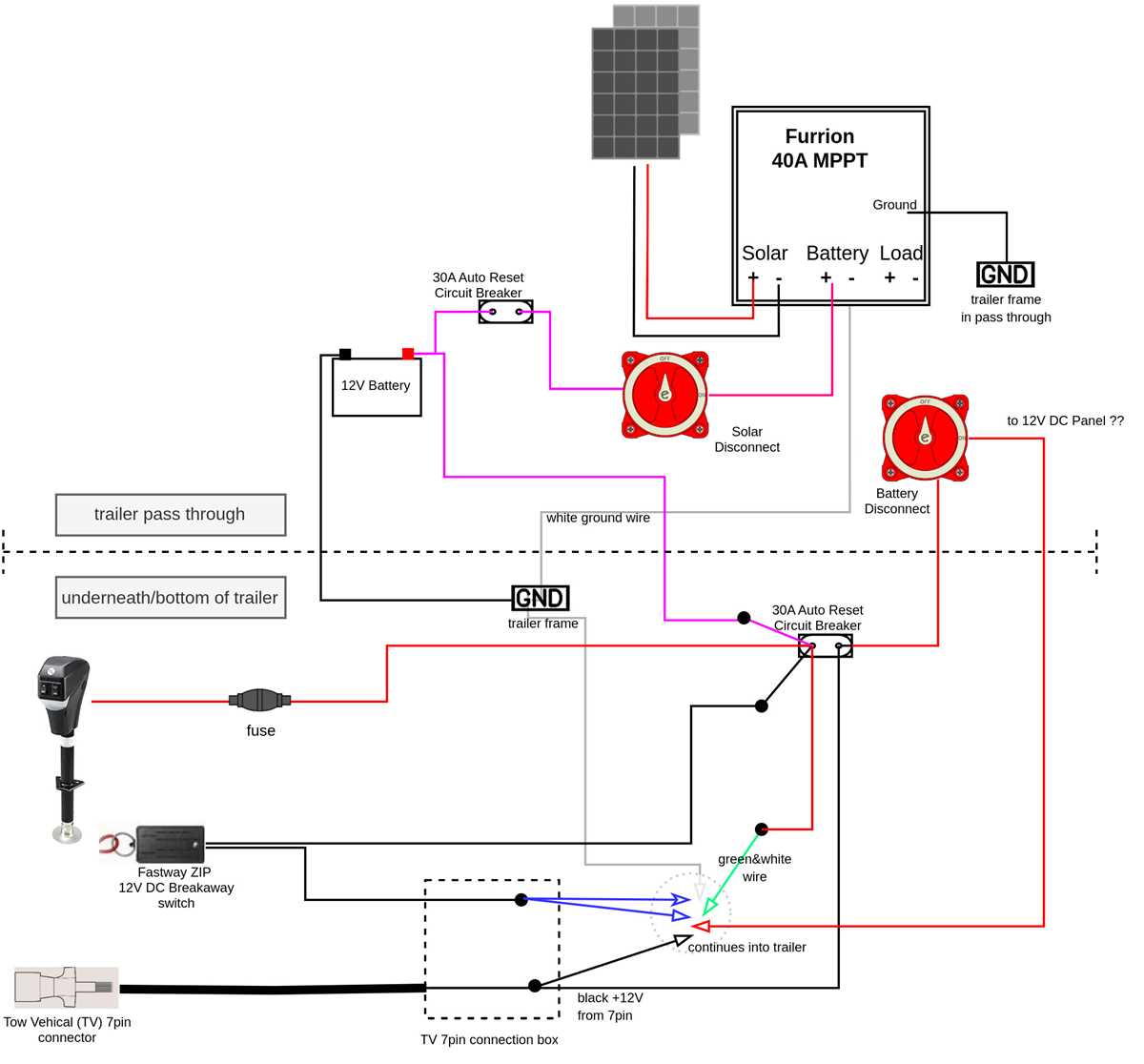
Connect the main power input directly to the fuse panel using a 12-gauge cable rated for at least 30 amps. Ensure the connection is tight and the terminal ends are free from corrosion to maintain stable current flow.
Identify positive and negative leads clearly by color coding: red for positive and black for negative. Use heat-shrink tubing over exposed metal to prevent accidental short circuits.
Distribute power to interior lighting circuits by routing wires along pre-installed channels. Avoid running cables near high-heat areas, and secure them with clamps every 12 inches to minimize vibration wear.
Integrate auxiliary devices such as water pumps or fans directly to the secondary breaker panel. Each device should have its own fused line to protect against overloads and reduce the risk of fire.
Check continuity before final assembly using a multimeter. Confirm that each circuit completes its loop correctly and that polarity is consistent throughout the installation.
Camper Trailer Electrical Connection Planning
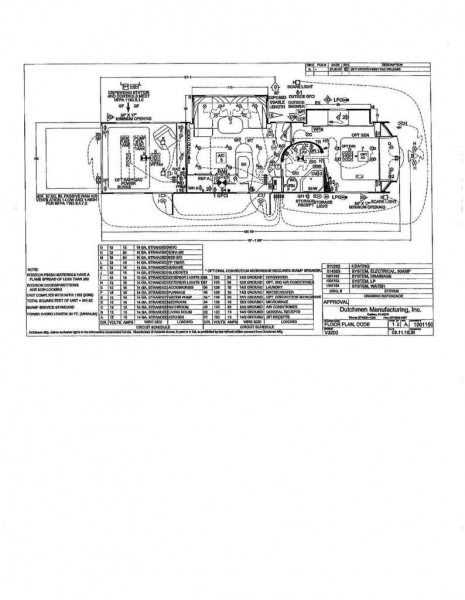
Begin by mapping all power sources and load points using a labeled layout of the interior circuits. Assign dedicated lines to high-demand appliances such as refrigeration units and heating systems, ensuring each line has a properly rated fuse to prevent overcurrent hazards.
Route control lines and sensor connections along separate channels from main power cables to minimize interference. Mark each connection with color-coded tags and document terminal positions to streamline future maintenance or upgrades, keeping voltage drops within safe limits throughout the system.
Mapping Power Sources and Ground Points
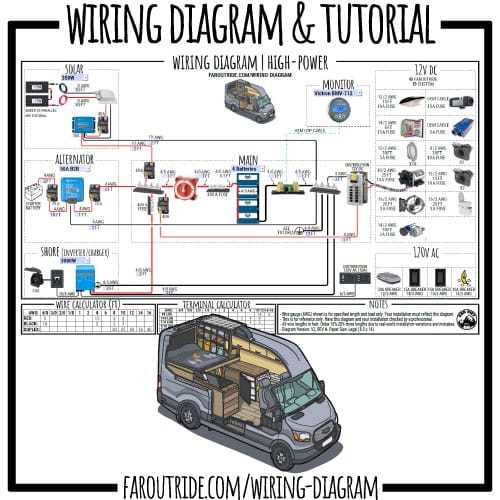
Identify all main voltage inputs and assign them to specific distribution panels with labeled fuses. High-draw equipment such as heating units and pumps should have separate lines to reduce load on shared circuits.
Locate grounding points on the frame or chassis using corrosion-free surfaces. Ensure each ground connection is tight and uses a conductive washer to prevent resistance that can cause voltage drops or intermittent faults.
Mark all power and return paths with color-coded tags and maintain a reference chart. This allows for quick identification during inspections, troubleshooting, or future expansions of the electrical network.
Keep distance between heavy-current cables and sensitive sensor lines to avoid interference. Where routing crosses, use insulated channels or tie-downs to maintain separation while preserving accessibility for maintenance.