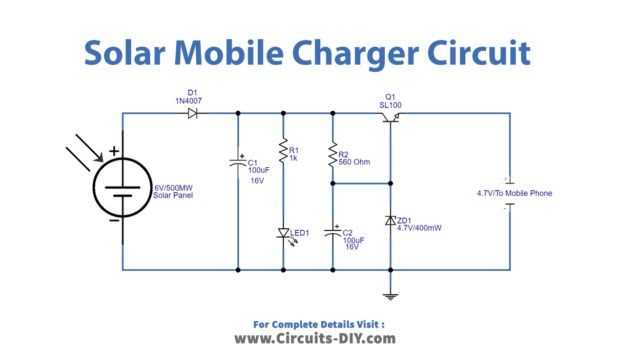
Use a 5V 2A output module for safe and consistent energy transfer to handheld devices. Selecting a regulator with thermal protection prevents overheating during prolonged use.
Connect high-quality capacitors on both input and output lines to stabilize voltage and reduce ripples. Electrolytic capacitors around 470µF and ceramic 0.1µF are recommended for smooth performance.
Employ precise wiring techniques with clearly marked positive and negative lines to avoid short circuits. Use insulated wires rated for at least 1A to handle current safely without degradation.
Test the assembled power supply with a multimeter before connecting devices. Measure output voltage and current under load to ensure compatibility with standard lithium-ion batteries and prevent damage.
Basic Components Required for a Phone Power Supply
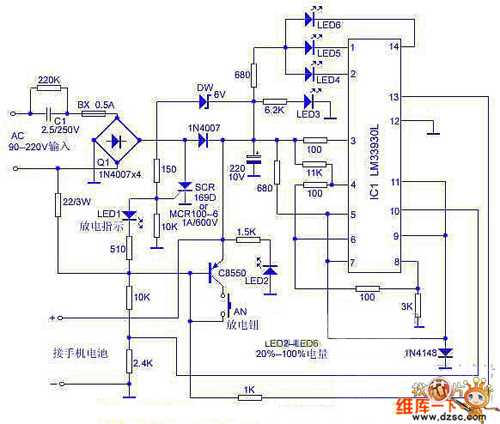
Start with a regulated voltage module rated at 5V 2A to ensure stable energy output. Modules with built-in overcurrent protection help prevent damage to connected devices.
Include capacitors on input and output to smooth voltage fluctuations. A combination of a 470µF electrolytic capacitor and a 0.1µF ceramic capacitor provides reliable filtering for both high and low-frequency noise.
Use a bridge rectifier if the power source is AC. Opt for components with a minimum 1A current rating and a reverse voltage tolerance above 50V to handle spikes safely.
Resistors and diodes are necessary for current limiting and voltage clamping. Low-wattage resistors of 220Ω to 1kΩ can regulate small signal paths, while Schottky diodes prevent backflow efficiently.
Consider a heat sink for the voltage regulator if continuous operation exceeds 1A. A small aluminum finned heat sink dissipates heat and extends the life of the module.
- Input connector compatible with USB or wall adapter
- Output connector matching device port
- Indicator LED to show power status
- Fuses for overcurrent protection
- Insulated wires rated for at least 1A
Step-by-Step Wiring and Circuit Connections
Begin with the input terminal by connecting the positive and negative leads from the power source. Ensure polarity is correct to avoid damaging sensitive components.
Solder the voltage regulator to the main board using short, clean connections. Maintain a 2–3 mm lead length to reduce resistance and prevent voltage drops.
Attach input capacitors directly across the power lines. Position a 470µF electrolytic capacitor near the regulator input and a 0.1µF ceramic capacitor as close as possible to minimize high-frequency noise.
Connect resistors and diodes in series with signal paths for current limitation and reverse protection. Use color-coded wires to easily identify connections during testing.
Install the output connector and attach the smoothing capacitors across the terminals. Ensure the positive line feeds the appropriate pin of the connector to maintain consistent device polarity.
Use a small heat sink on the regulator if the expected load exceeds 1A. Fasten it with thermal paste to improve conductivity and reduce temperature buildup during prolonged operation.
- Verify all connections with a multimeter before powering up.
- Check for continuity and shorts between positive and negative paths.
- Apply low voltage first to confirm stable output.
- Gradually test with the intended device load.
Troubleshooting Common Issues in Handheld Device Power Modules
Check voltage output first using a multimeter if devices fail to charge. A reading below 4.8V indicates a possible faulty regulator or loose connections at the input terminals.
Inspect capacitors for bulging or leaks. Electrolytic components often degrade under heat or excessive current, causing unstable output or intermittent operation.
Verify all wiring and solder joints for continuity. Cold joints or reversed polarity are common causes of device non-functionality and can be corrected by resoldering or swapping leads.
Test diodes and resistors individually if overheating or current drop occurs. Replace components that show open circuit or resistance deviation beyond 5% of nominal value to restore stable operation.