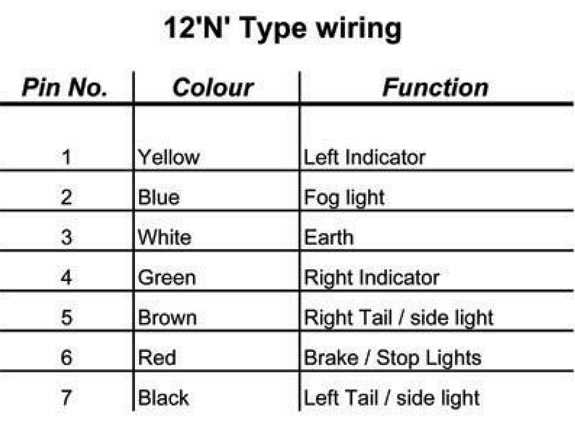
Match each conductor from the vehicle connector to the correct signal circuit before attaching any terminals. A typical 4-pin flat connector carries four functions: ground, tail lamps, left turn with brake signal, and right turn with brake signal. White conductors usually connect to chassis ground, while brown leads power rear position lamps mounted on the towed unit.
Use corrosion-resistant crimp terminals and route conductors through protective loom. The left turn and brake signal commonly travels through a yellow lead, while the right turn and brake path uses a green lead. Each conductor normally handles currents between 2 and 6 amps, depending on the number of bulbs installed on the rear assembly.
Check voltage output at the vehicle socket before connecting the cable harness. Activate the headlamp control and verify about 12–14 volts at the brown conductor. Turn signals should pulse between 0 and battery voltage roughly once per second. A digital multimeter or a simple test probe helps confirm signal presence at each contact pin.
Install a ground connection directly to bare metal on the frame of the towed platform. Remove paint or rust at the contact point and secure the ring terminal using a stainless bolt and star washer. Poor grounding often causes dim rear lamps, irregular turn signals, or flickering brake indicators. A ground conductor with 14 AWG copper handles most small utility setups without overheating.
Protect the cable run along the drawbar using plastic clips spaced about 30–40 cm apart. Keep the harness away from sharp edges and moving suspension parts. Add dielectric grease inside the connector housing to limit moisture entry and oxidation at the contact pins.
Trailer Lights Wiring Diagram with Connector Pin Layout and Color Codes
Connect the ground conductor first and attach it directly to the metal frame of the towed platform using a ring terminal and corrosion-resistant bolt. A white 14 AWG copper lead normally serves this role and must contact bare metal. Remove paint or rust at the mounting point. Poor grounding often causes dim rear lamps, weak turn indicators, or irregular brake signals.
Use the common four-pin flat connector layout used on many small cargo carriers and boat haulers. Each contact carries a specific signal from the towing vehicle:
- White – chassis ground connected to the frame
- Brown – rear position lamps and side marker lamps
- Yellow – left turn signal combined with brake function
- Green – right turn signal combined with brake function
Route the brown conductor along both sides of the rear frame crossmember so it can feed the left and right tail lamp assemblies. Use insulated split loom and secure the cable every 30–40 cm with plastic clips or metal P-clamps. Standard incandescent bulbs usually draw between 0.6 and 2.1 amps per lamp depending on the type installed.
Check signal output from the vehicle connector using a multimeter or probe tester. Expected behavior during testing:
- Headlamp control activated – steady 12–14 V on the brown conductor
- Left indicator engaged – pulsing voltage on the yellow lead about once per second
- Right indicator engaged – pulsing voltage on the green lead
- Brake pedal pressed – constant voltage on both yellow and green conductors
Apply dielectric grease inside the connector housing and cover exposed splices with heat-shrink tubing. Moisture entering the plug often leads to oxidation at the contact pins and voltage drop along the signal path. Keep the harness away from suspension components, hitch pivot points, and sharp metal edges along the drawbar.
4 pin trailer connector wire colors and light circuit connections
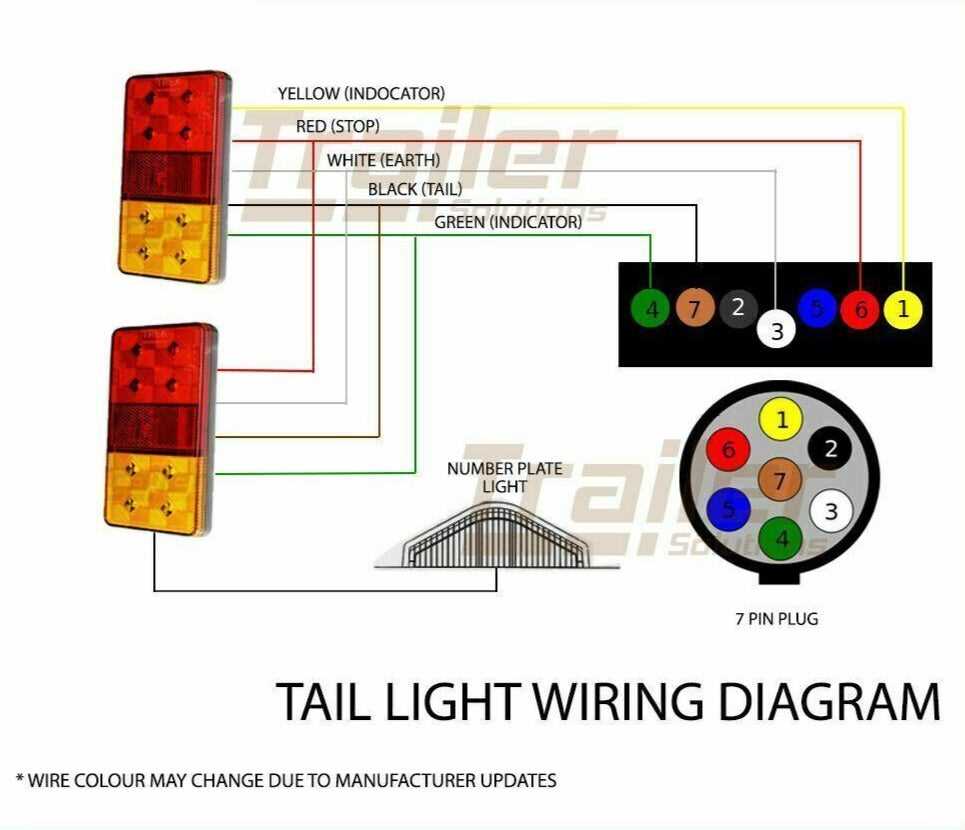
Connect the white conductor from the four-flat plug directly to the metal frame of the towed unit using a ring terminal and stainless bolt. This ground path carries return current for all rear signal devices, so use at least 14 AWG copper and clean the mounting point down to bare metal. The brown lead supplies rear position lamps and side markers along the frame rails. This conductor normally splits near the rear crossmember and feeds both lamp housings, with typical current draw between 1.5 and 4 amps depending on bulb type.
The remaining two conductors control turn indicators and brake signals. The yellow lead runs to the left rear lamp assembly and carries a combined stop and indicator signal, while the green lead serves the same function on the right side. Each path receives pulsing voltage during turn operation and steady battery voltage when the brake pedal is pressed. Route both conductors along the frame using insulated clips spaced about 30–40 cm apart and protect splices with heat-shrink tubing to limit corrosion and voltage loss.