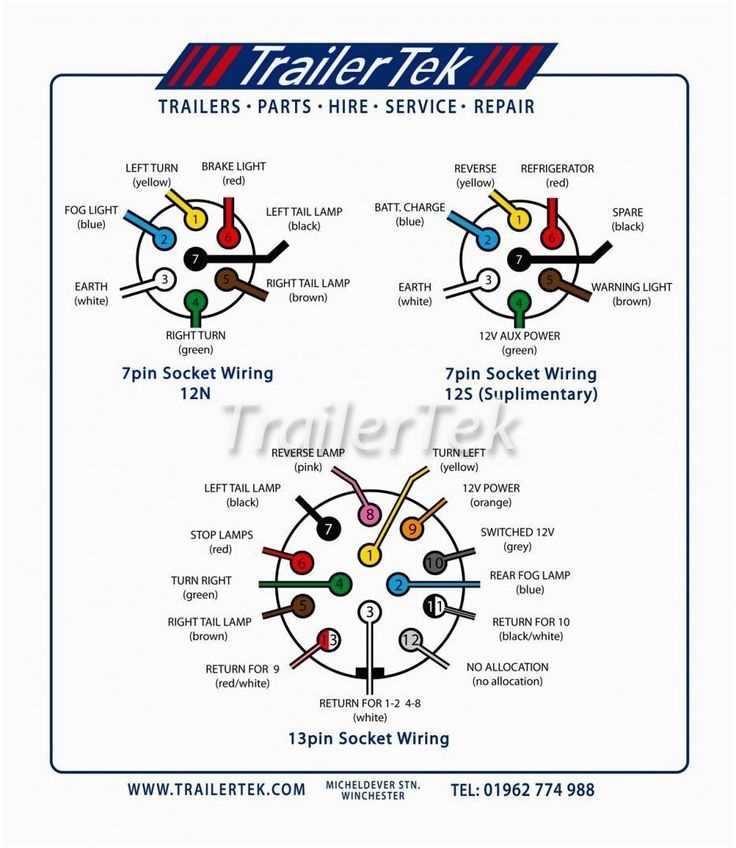
Use a color-coded reference chart to match each wire from the trailer plug to the corresponding socket on your car. Typical codes assign green for right turn signals, yellow for left, brown for tail lights, and white for grounding. Confirm the chart matches your vehicle model before cutting or splicing any lines.
Secure all connections with corrosion-resistant terminals to prevent shorts and flickering signals. Heat-shrink tubing over each joint adds insulation and keeps moisture away from metal contacts. Avoid twisting bare wires together without a connector, as this can degrade over time and cause intermittent failures.
Test each circuit individually before final assembly. Connect a 12V test light or a multimeter to verify that brake lights, turn indicators, and running lights respond correctly when activated. Label each wire with tape for future maintenance to avoid confusion when replacing bulbs or inspecting fuses.
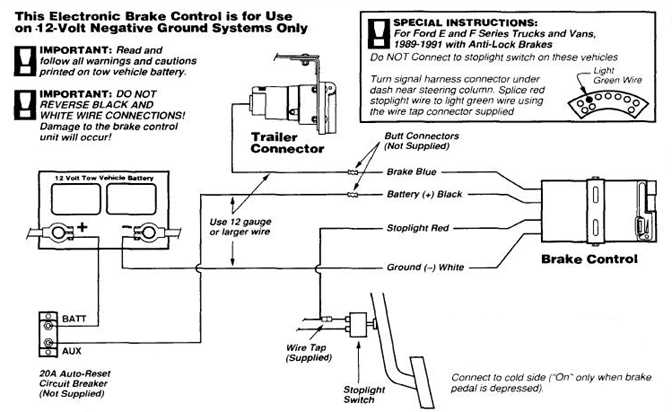
Consider installing a dedicated power line for electric brakes if your trailer has a braking system. This line should run directly from the vehicle’s battery through an inline fuse and relay, ensuring consistent current without overloading the lighting circuits. Confirm brake controller settings match the wire gauge and motor specifications.
Step by Step Connections for Lights Brakes and Signal Circuits
Begin by identifying each wire by function. Use the vehicle’s color chart to distinguish brake, turn, and running light lines. Connect the green wire to the right signal, yellow to the left, brown to the tail lamps, and white to the frame ground. Double-check each color against the specific car model to prevent cross connections that could blow fuses or damage bulbs.
Securing and Protecting Connections
Use insulated terminals with heat-shrink sleeves to prevent corrosion. Route the lines along the frame, avoiding sharp edges and moving parts. Tie wires with cable clips to prevent sagging and rubbing. If adding an electric brake circuit, run a separate fused line from the battery to the brake controller, ensuring proper current flow without affecting the lights.
Testing and Troubleshooting Each Circuit
After assembly, verify each function with a 12V test lamp or multimeter. Activate brakes, left and right signals, and running lights independently to ensure correct response. Label all terminals and maintain a reference chart for future replacements or inspections, reducing the risk of miswiring during repairs.
Understanding Common Wire Colors and Their Functions
Identify each line by its standard color coding. This prevents confusion when connecting lights, brakes, and signal circuits. Follow the vehicle’s specific chart for accurate matching and avoid cross-connections that could cause malfunctions or short circuits.
Standard Color Assignments
- White: Ground connection to the vehicle frame for stable circuit completion.
- Brown: Tail lamps and running lights for nighttime visibility.
- Yellow: Left turn signal, including hazard light synchronization.
- Green: Right turn signal, mirroring the left for symmetrical operation.
- Blue: Electric brake activation line, usually connected to a brake controller.
- Red: Auxiliary power or stop light feed in some setups.
Before attaching, verify each line with a multimeter. This ensures the color matches its intended function and prevents accidental grounding or short circuits. Marking wires with tape improves clarity during installation or future repairs.
Route lines along the frame using clips or ties, keeping them away from heat sources, sharp edges, or moving suspension parts. This reduces wear and prevents accidental disconnection or chafing over time.
Testing and Maintenance Tips
- Connect each circuit temporarily and test lights and brakes individually.
- Check continuity between the socket and light to confirm proper function.
- Inspect connections for corrosion or loose terminals and replace damaged clips.
For systems with electric brakes, use a dedicated fused line from the battery. Avoid splitting brake current through the light circuits, as this can reduce braking response or damage the controller.
Keep a reference chart with wire colors and functions for future inspections. Label any nonstandard colors immediately to prevent confusion during maintenance or upgrades.
Regularly clean connections and apply dielectric grease to prevent corrosion. This maintains consistent current flow and prolongs the lifespan of both lighting and braking components.