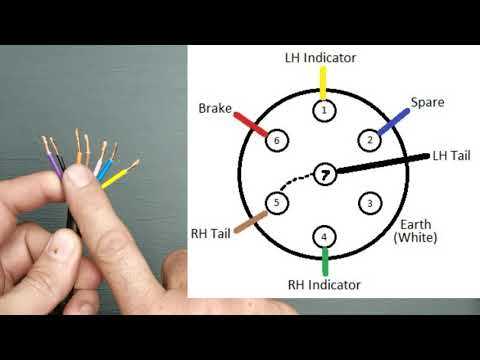
For reliable power transfer and signal connections between vehicles and towed units, it’s important to understand the correct configuration of the electrical terminals. To make sure everything functions as expected, refer to specific pin assignments for each connection type. Whether dealing with a 4-pin or 7-pin setup, knowing where each wire should go is key to preventing electrical failures.
The 7-pin connection is commonly used for larger setups, as it supports more functions, such as brake lights, reverse lights, and auxiliary power. A 4-pin system is often sufficient for basic lighting functions, like running and signal lights. Each pin plays a role in sending the correct signals, so incorrect wiring could cause problems with brake light functionality or towing equipment operation.
To avoid issues during installation, double-check the pin layout for your specific plug. Mapping each wire correctly will ensure both vehicle and towed unit lights, turn signals, and brakes work seamlessly. Be cautious about grounding connections, as a poor ground can lead to flickering lights or total failure in some cases.
Proper Pinout Configuration for Safe Electrical Connections
To ensure reliable electrical connections, start by identifying the correct pin assignments for the plug. A typical 4-pin setup includes pins for ground, running lights, left turn signal, and right turn signal. For more complex systems, such as a 7-pin setup, you’ll also have pins for brake lights, reverse lights, and auxiliary power.
Each wire must be connected to its designated pin according to the specific vehicle and equipment requirements. Incorrect connections can lead to malfunctioning signals or even damage to the electrical system. It’s crucial to follow manufacturer recommendations for both the vehicle and the towed unit to avoid these issues.
When preparing the system for installation, make sure to use wires that are rated for outdoor use and capable of withstanding the towing environment. Insulated wires and durable connectors will help prevent wear and tear, as well as ensure long-lasting performance. If unsure, consult the electrical rating and installation guides provided by the plug manufacturer.
Test the system after installation by checking all lights and signals. Make sure the ground connection is secure, as a loose ground can cause flickering lights or incomplete functionality. It’s advisable to perform a quick test with the vehicle running to ensure all connections are stable and operating properly.
If you’re upgrading or replacing any components, such as the plug or the cable, verify that they match the system specifications. Matching the correct parts will minimize the risk of electrical issues and ensure that the connections work seamlessly across different vehicles and equipment setups.
Identifying and Understanding Pinout Configurations for Trailer Plugs
To ensure proper electrical connections, it’s critical to understand the specific pin assignments for different types of plugs. Each pin has a designated function that must be adhered to, or the system may fail to operate correctly. For instance, a 4-pin system typically includes pins for ground, running lights, left turn signal, and right turn signal.
For a 7-pin system, additional pins are necessary to handle more complex functions such as brake lights, reverse lights, and auxiliary power. The pinout layout varies depending on the design, but standard configurations can be found in product manuals or manufacturer guides. It’s advisable to always check these guides to match the correct function to each pin for your specific application.
Common Pin Assignments
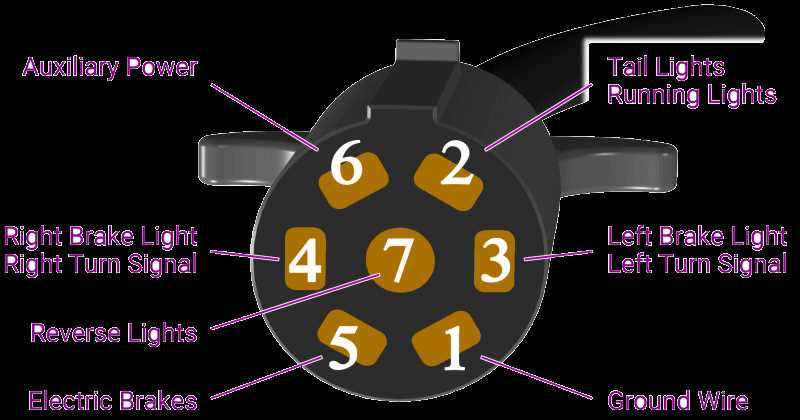
- Pin 1: Ground
- Pin 2: Running lights
- Pin 3: Left turn signal
- Pin 4: Right turn signal
- Pin 5: Brake lights
- Pin 6: Reverse lights
- Pin 7: Auxiliary power
For accurate installation, use a multimeter to verify each pin’s function. Properly identifying and connecting each wire ensures the system works smoothly and avoids issues like malfunctioning lights or improper signal delivery.