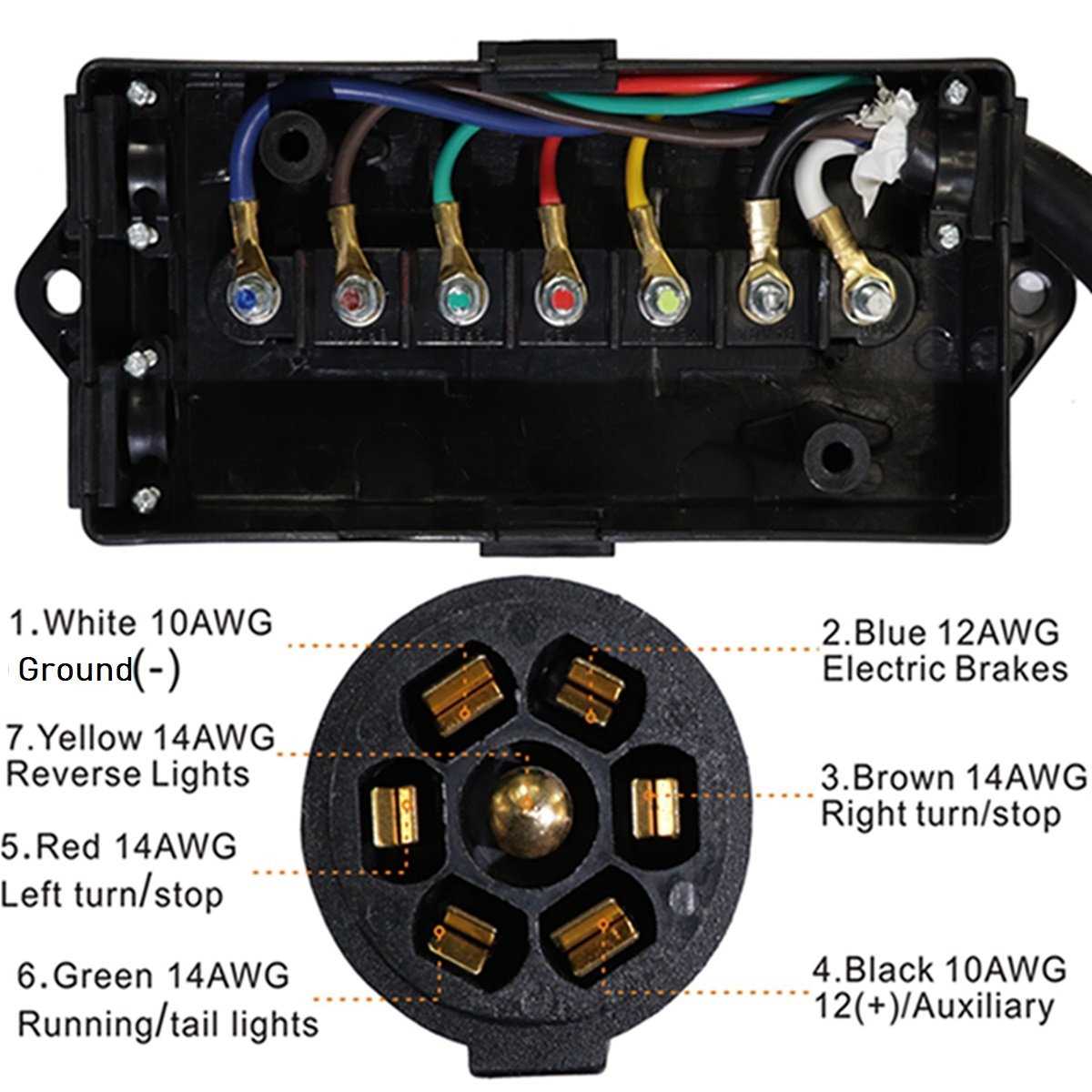
Connect the positive lead directly to a fused terminal rated at least 20% above the maximum expected load. This prevents overcurrent damage and maintains stable power for onboard systems.
Route the negative cable to a solid chassis ground point using at least 10 AWG wire for standard 12V setups. Proper grounding reduces voltage drops and prevents flickering lights or erratic device operation.
Use color-coded sleeves or markers on all connections to distinguish between charge, load, and ground lines. Clearly labeled paths simplify maintenance and reduce the risk of reversed polarity or short circuits.
Position fuses and protective components near high-current paths to shield sensitive electronics. Strategic placement minimizes heat buildup and ensures rapid disconnection if a fault occurs.
Power Connection Guide for Towable Units
Attach the positive lead to a fused terminal rated above the maximum expected current to prevent overheating and maintain consistent voltage. Check the tightness of all connections to avoid voltage drops and arcing.
Run the negative lead to a solid chassis ground with at least 10 AWG wire for standard 12V systems. Ensure the connection point is free of rust and paint for reliable conductivity.
- Install fuses or circuit breakers close to the input terminals to protect electronics from overcurrent.
- Use heat-resistant sleeves or conduit for wires near moving parts or sharp edges.
- Label all leads for charge, load, and ground to simplify troubleshooting and maintenance.
Check for voltage drop along long runs by measuring at the load end while the system is under normal load. Replace undersized wires with thicker gauge to prevent performance issues.
- Secure cables to prevent movement or chafing using clamps or cable ties at regular intervals.
- Inspect connections periodically for corrosion or loosening and clean or retorque as needed.
- Verify all protective components are correctly rated and positioned near high-current sections for safety.
Connecting Positive and Negative Terminals Correctly
Attach the positive lead to the designated fused terminal rated above the maximum current expected for onboard systems. Loose or reversed connections can cause arcing, blown fuses, or damage to electronic components.
Secure the negative lead to a clean metal surface on the chassis using a bolt through bare metal. Paint or corrosion at the connection point increases resistance and may cause intermittent power loss.
Using Appropriate Cable Sizes
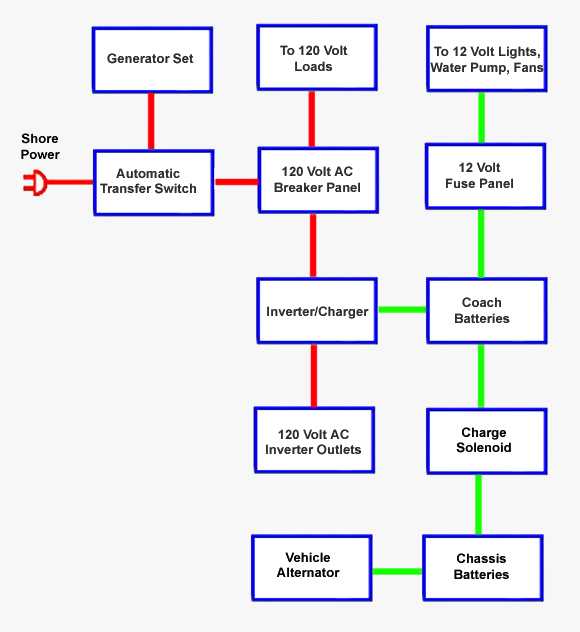
Select wire gauge according to load requirements. For 12V systems under 30A, use at least 10 AWG; for higher loads, 6 AWG or larger is recommended. Undersized conductors lead to voltage drop and heat buildup along the path.
Keep leads separate and properly routed to prevent contact with sharp edges, moving components, or heat sources. Insulating sleeves or conduit help maintain integrity over time and reduce risk of short circuits.
Double-Checking Polarity
Always verify polarity before applying power using a voltmeter or continuity tester. Swapping positive and negative connections can instantly damage sensitive electronics and activate protective devices.
Inspect connections regularly for corrosion, looseness, or fraying. Retorque terminals and clean contact surfaces periodically to ensure stable performance and prevent unexpected failures during operation.