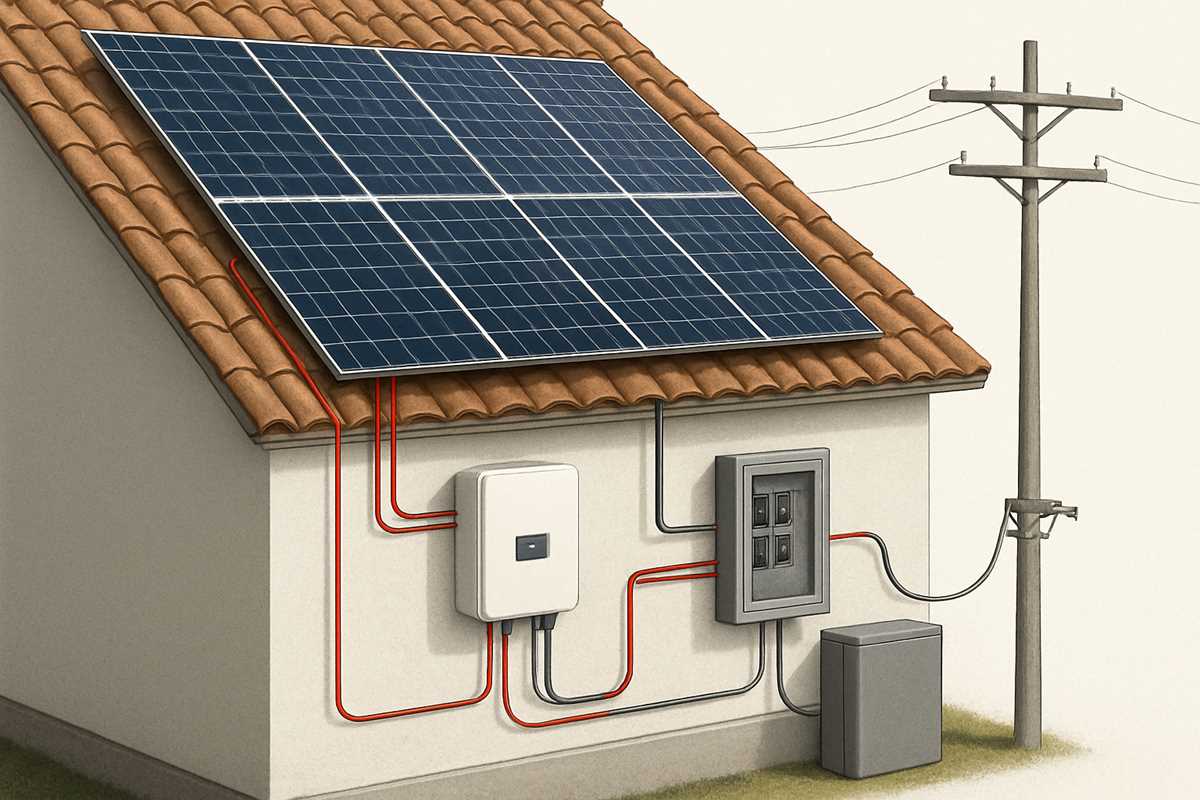
Ensure proper polarity when linking components. Start with the correct orientation of the positive and negative terminals. Failure to do so could lead to system failure or inefficient performance.
Use high-quality connectors to maintain reliable connections. Corroded or loose connectors can reduce the overall output, causing the setup to underperform. Consider using MC4 connectors for a secure fit, as they offer easy handling and weatherproof sealing.
Pay close attention to the voltage ratings for the chosen system. Incorrect voltage matching can result in safety risks or equipment damage. Check the specifications of each component to ensure they are compatible, especially if integrating batteries or an inverter.
For efficient current distribution, it’s important to choose appropriate cabling based on distance and amperage. Too thin of a wire can lead to overheating and energy loss. Use thicker cables if the distance between components exceeds typical limits.
In multi-unit systems, arrange the units in series or parallel based on the voltage and current requirements. Series connections will increase the voltage, while parallel setups boost amperage. Understanding this balance is critical to achieving optimal energy collection.
Wiring Connections for Energy Conversion Systems
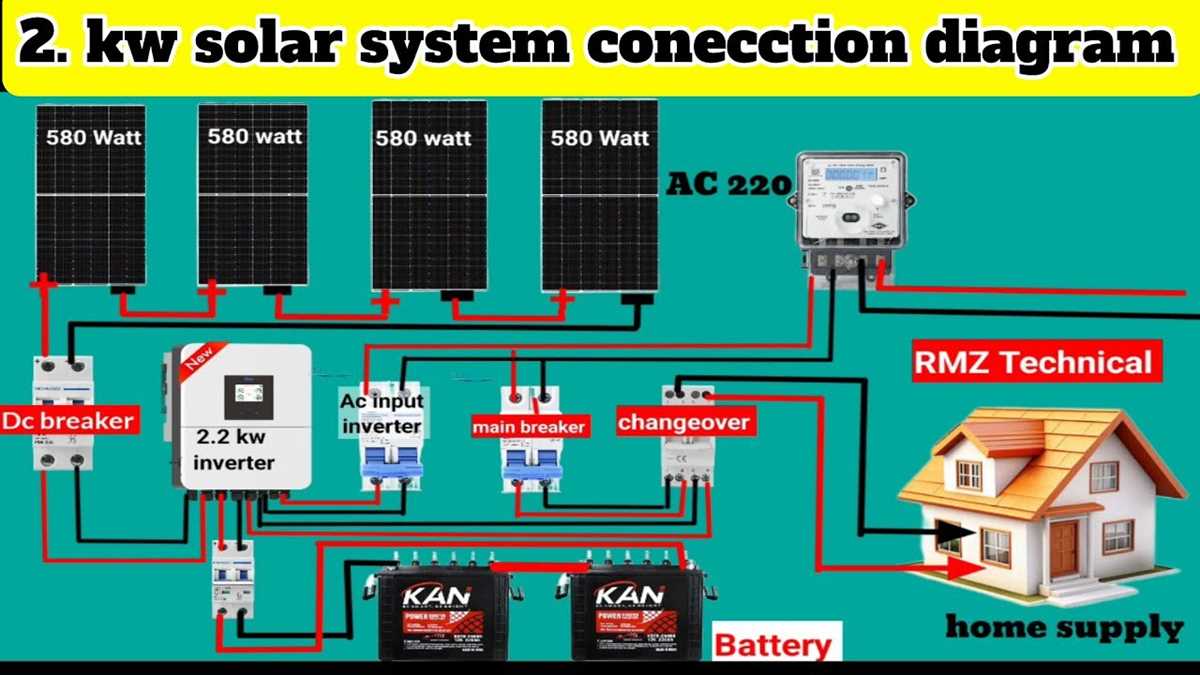
Begin with connecting each module in series, ensuring that the positive terminal of one unit is linked to the negative terminal of the next. This arrangement increases the output voltage, allowing you to achieve the desired system specifications. Keep in mind that these links must be insulated properly to avoid short circuits and ensure a steady flow of current.
Configuring the Output for Maximum Performance
The output from the series arrangement should be routed to a charge controller that regulates the energy flow into the storage batteries. Always check the amperage ratings of your charge controller to ensure it matches the capacity of the system. A controller with automatic disconnect features will protect against overcharging, safeguarding both the storage and conversion units.
Connect the charge controller’s output to the battery terminals, matching polarity. The batteries should be wired in parallel to maintain consistent voltage while increasing the total available current. This approach ensures longer operational times before recharging is necessary. Proper cable gauge selection will reduce energy loss during transmission.
Integration with Inverter Systems
The next step is linking the battery to an inverter for converting stored DC power into AC. This is particularly important for systems designed to supply conventional household appliances. Choose an inverter with a suitable power rating based on the overall load of your setup, and always ensure the inverter’s capacity is sufficient for peak demand periods.
Finally, connect the inverter to the distribution panel. Double-check the input and output specifications to prevent overload. Installing a fuse between the inverter and the panel is advisable to provide an additional safety layer. Regular maintenance checks will ensure the system remains efficient over time.
Understanding the Different Types of Solar Panel Wiring Configurations
The two primary methods of connecting photovoltaic cells are series and parallel. In the series setup, the voltage increases while the current remains constant. For systems requiring higher voltage output, this approach is ideal. However, be cautious about shading, as even partial shading of a single module can reduce the performance of the entire string.
In parallel connections, the voltage remains the same as the individual units, but the current increases. This type of arrangement is commonly used to enhance current output, especially in systems designed to power high-demand devices. Unlike series configurations, shading impacts only the affected module, not the entire array.
For complex installations, a combination of series and parallel setups might be used to balance both voltage and current. A mixed approach can ensure the system operates efficiently under varying conditions, such as fluctuating sunlight or temperature changes.
- Series Connection: Increases voltage, current remains constant. Vulnerable to shading issues.
- Parallel Connection: Increases current, voltage remains constant. Better for shading resilience.
- Series-Parallel Combination: Balances voltage and current, offers flexibility for various environmental conditions.
When planning the connections, always consider the maximum voltage and current ratings of the system components. Exceeding these ratings can lead to system damage or fire hazards. Properly rated fuses and disconnects should be included in the design to safeguard against electrical faults.
To ensure longevity and optimal output, regularly inspect the connections for corrosion or loose terminals, as these can hinder efficiency and lead to costly repairs. Proper maintenance can help avoid these issues and extend the lifespan of the installation.