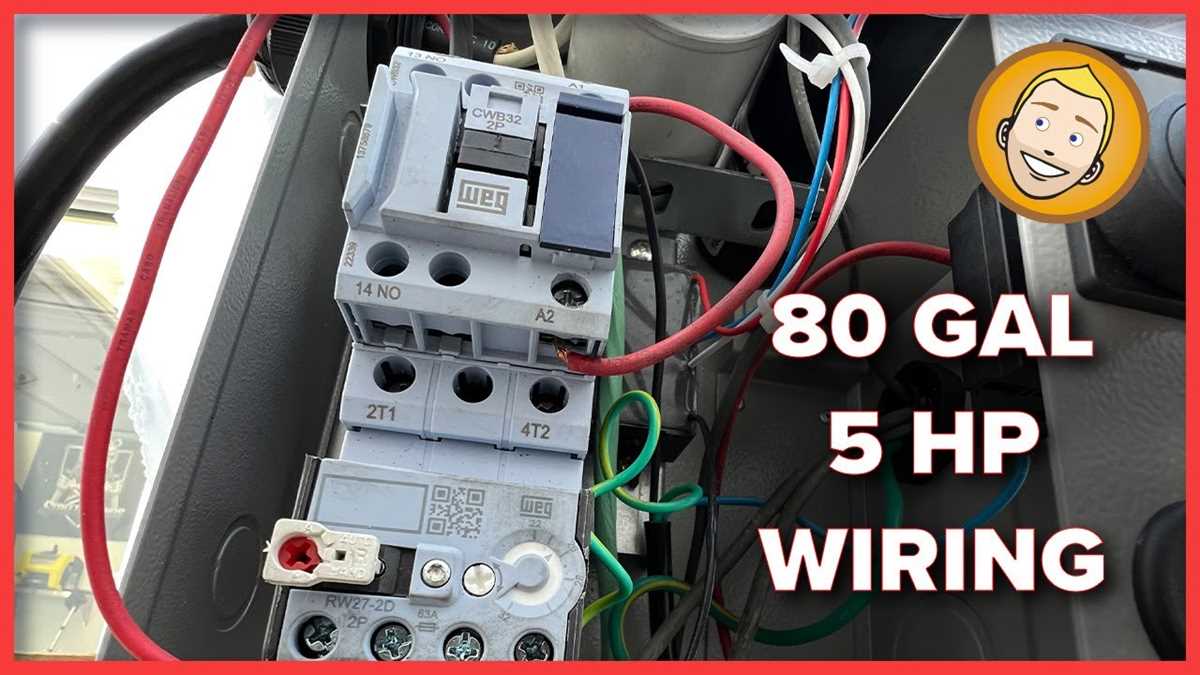
Ensure all power is disconnected before inspecting terminals or connecting supply leads to prevent shorts or damage to components. Use a voltage tester to confirm zero current on all inputs.
Identify live, neutral, and ground points on the motor housing using the colored terminals or labels provided by the manufacturer. Correct identification prevents motor overheating and operational failure.
When connecting start and run capacitors, match capacitor ratings with motor specifications indicated on the unit label. Incorrect capacitance can cause slow starts or tripped breakers.
Verify connections with a multimeter for continuity and proper polarity. Confirming connections before powering the unit reduces the risk of coil damage and extends operational life.
Secure all leads using insulated terminals and strain relief clamps. Loose connections create sparks and excessive heat, which can deteriorate insulation and reduce safety.
Single Phase Motor Unit Electrical Connection Guide
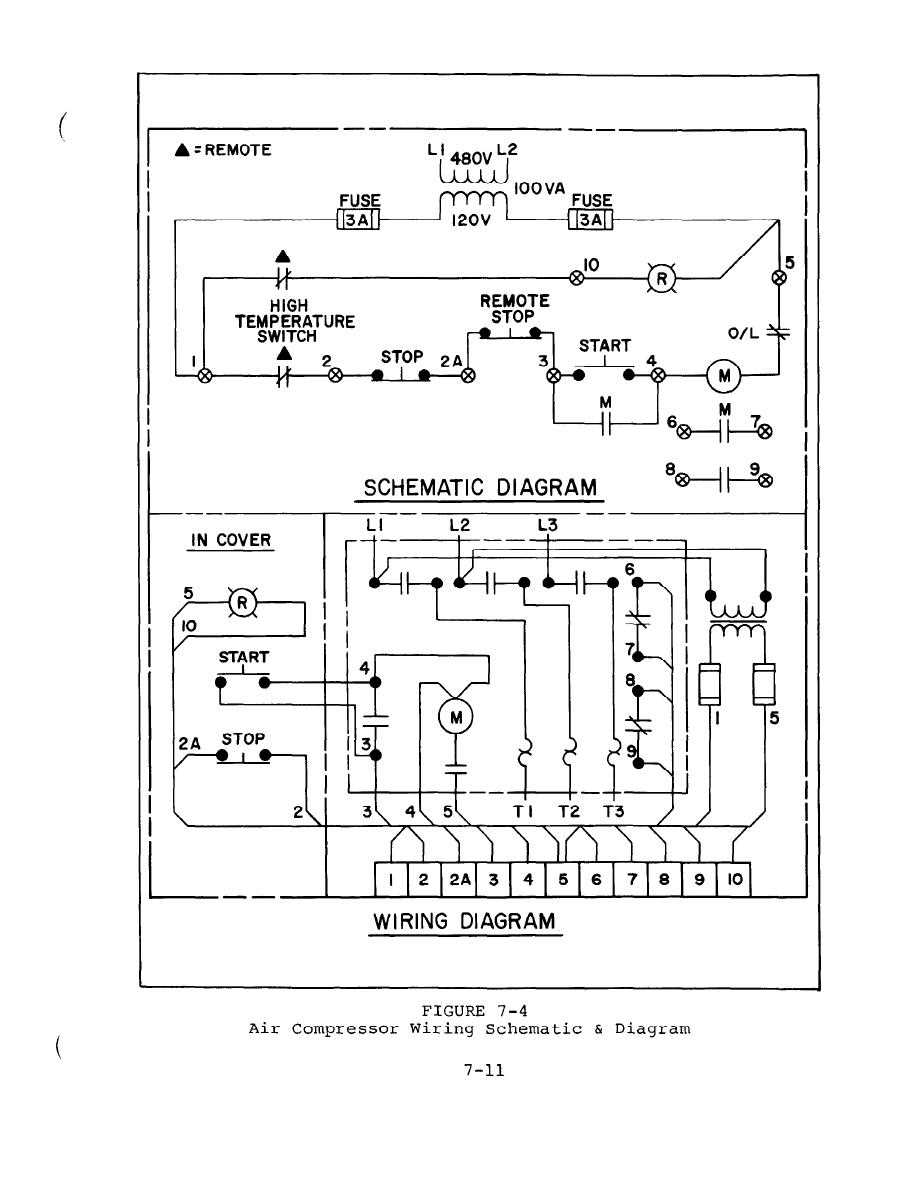
Disconnect all power sources before handling terminals or supply leads. Confirm zero voltage using a multimeter to prevent short circuits or damage to the motor windings. Identify live, neutral, and ground points by matching colored terminals or printed labels on the control panel.
Follow these steps for reliable connection:
- Verify start and run capacitor ratings match motor specifications to prevent overheating or inefficient operation.
- Use insulated connectors and secure terminals with strain relief clamps to reduce movement and avoid sparking.
- Check continuity and correct polarity on each lead with a multimeter before energizing the unit.
- After connection, inspect for loose or exposed wires and ensure all fasteners are tightened to manufacturer torque guidelines.
Identifying Live Neutral and Ground Terminals
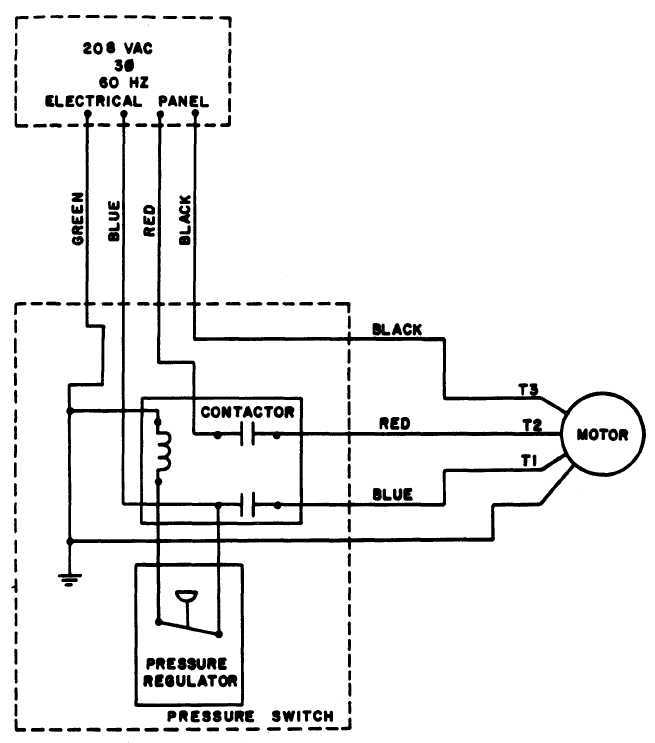
Verify all power is disconnected before inspecting terminal blocks. Use a voltage tester to confirm the absence of current to prevent electric shock or accidental shorts.
Locate colored or labeled terminals on the motor or control unit. Typically, live connections are marked with brown or black insulation, neutral with blue, and ground with green/yellow stripes. Consistency in color coding reduces the risk of incorrect connections.
Check for printed labels or symbols on the terminal housing. A “L” indicates the live input, “N” marks neutral, and a grounding symbol or “E” denotes the protective earth. Avoid relying solely on color if labels are present, as wires may have been replaced or altered.
Use a continuity tester to confirm ground integrity. Connect one probe to the chassis or metal frame and the other to the designated ground terminal. A reading of near-zero resistance confirms a reliable path for fault currents.
Trace incoming supply leads back to their source. Ensuring the live and neutral wires correspond with the correct terminals prevents phase reversal, which can cause malfunction or reduce motor lifespan.
Securing Terminals for Safe Operation
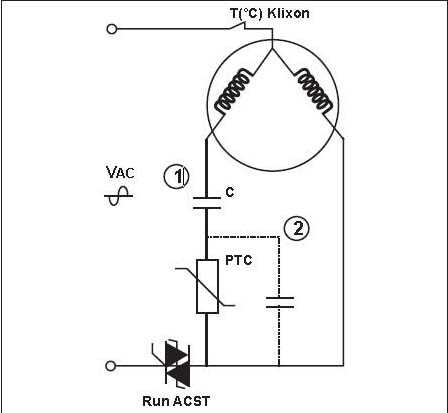
Tighten screws or clamps with a calibrated screwdriver, applying torque recommended by the manufacturer. Loose connections can produce heat and arcing, creating fire hazards or damaging the unit.
Final Verification Steps
Before energizing the unit, double-check terminal identification using a multimeter. Verify live, neutral, and ground continuity. Confirm that no wires touch adjacent terminals or metal surfaces to ensure safe and reliable operation.