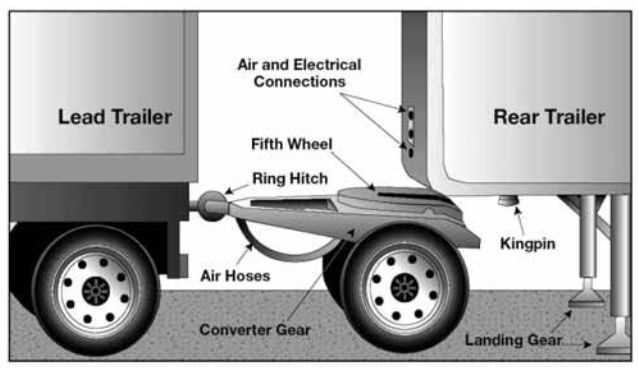
Select a coupling assembly layout before inspection–a clear schematic showing the locking jaws, throat, release handle, pivot bushings, mounting base, and kingpin interface reduces missed faults and speeds service checks. For road haulers pulling articulated loads, a labeled layout helps confirm clearances around the turntable plate and verifies that the latch path fully seats around the kingpin.
Accurate identification of each assembly element prevents wear escalation. The locking jaws should show uniform contact marks; uneven polishing signals misalignment at the throat. Pivot pins and bushings need measured play within manufacturer limits, while the release linkage must return freely without binding. Mounting fasteners at the base typically require re-torque after the first 1,000 miles and periodic verification thereafter.
Lubrication points deserve precise placement. Apply high-pressure grease to the bearing surface of the coupling plate and to jaw pivots at service intervals aligned with duty cycle; dry spots raise heat and accelerate galling. Inspect the skid plate surface for scoring deeper than 0.5 mm and confirm the kingpin wear ring remains within spec.
Use the schematic to plan replacements as assemblies rather than isolated items. Swapping matched jaw sets, bushings, and springs together preserves geometry and locking integrity. A structured layout also supports compliance audits by documenting inspection steps, torque values, and lubrication records tied to each assembly location.
Articulated Tractor Coupling Assembly Layout
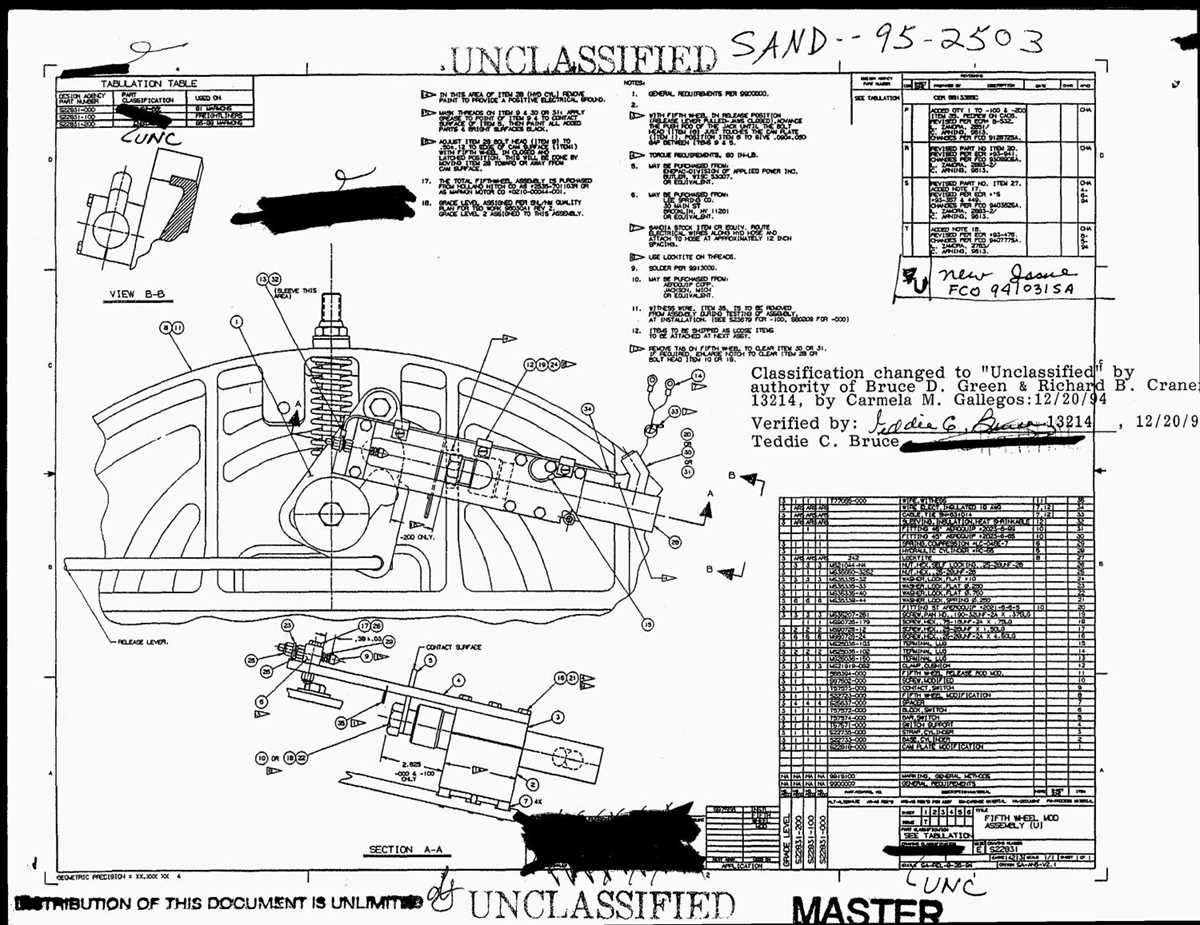
Inspect the coupling plate surface for scoring beyond 0.5 mm depth and replace the wear liner once thickness drops below the maker’s minimum, usually 6–8 mm.
The locking jaws must close symmetrically around the kingpin shank; uneven contact signals bent pivots or ovalized bushings, which should be renewed before backlash exceeds 1.5 mm.
Verify the release handle linkage travels its full stroke without binding; cable tension set between 180–220 N prevents partial engagement during hook-up.
Check the pivot pins supporting the top plate for axial play; more than 0.8 mm indicates bore erosion and calls for oversized pins or housing renewal.
Grease channels feeding the throat and jaw faces require lithium-based compound rated to -30 °C; apply every 3,000–5,000 km to limit metal transfer.
Confirm the mounting rails and slide mechanism lock teeth show crisp edges; rounding beyond 25% of tooth height risks fore-aft creep under braking.
Measure the safety latch spring force; values under 90 N fail to retain the release system during vibration and should trigger immediate swap.
After service, perform a pull test at 1.25× rated load to validate jaw seating and plate tilt freedom across ±15° articulation.
Identify locking jaws, kingpin interface, and mounting brackets in a labeled coupling schematic
Focus first on the jaw assembly: verify that the twin clamps fully encircle the kingpin shank at the throat of the coupling plate, leaving no daylight when closed; uneven contact signals wear or misalignment.
In the labeled schematic, trace the kingpin interface from the entry ramp to the locking throat; confirm the contact surfaces are hardened and show uniform polish, not flat spots or scoring that can cause false latching.
Check the release mechanism linked to the jaws; the handle cam should rotate the clamps past center and hold tension without spring-back, indicating intact bushings and pins.
Locate the mounting brackets beneath the coupling plate; confirm bolt patterns match the chassis crossmembers and that grade markings meet OEM torque specs, typically M20–M24 fasteners tightened to manufacturer tables.
Inspect bracket geometry on the schematic: gusseted arms distribute vertical load into the frame rails, while slotted holes allow fore–aft adjustment without compromising clamp alignment.
Use the labels to verify clearances around the kingpin interface; maintain specified gaps between the throat and wear plate to prevent high-point binding during articulation.
Mark grease points shown near the jaws and kingpin throat; regular lubrication at these nodes reduces clamp galling and preserves consistent locking force.
Diagnose wear points and replacement needs using a coupling assembly component map
Inspect the locking jaws and kingpin interface first: if jaw tips show flat spots beyond 1.5 mm or the pin contact surface has scoring deeper than a fingernail catch, schedule replacement rather than adjustment.
Use the component map to trace load paths across the top plate. Measure plate thickness at the throat and rear edge; a loss greater than 10% from nominal or visible heat checking signals metal fatigue and calls for renewal.
Check pivot bushings and trunnions next. Radial play exceeding 0.8 mm or ovalized bores indicate accelerated wear. Replace bushings as a set to restore alignment and prevent uneven jaw contact.
Evaluate release handle linkages and springs along the map sequence. Springs shorter than spec by 5% or link pins with stepped wear cause partial engagement; replace both items together to avoid repeat service.
Follow the mounting hardware path shown in the map. Elongated bolt holes, fretting around washers, or torque loss after re-tightening point to base distortion; renew fasteners and inspect the subframe for cracks.
Assess lubrication channels indicated in the map. Blocked grease paths leave dry witness marks and blueing on contact faces; clean passages, replace seals, and apply high-pressure grease rated for sliding couplers.
Confirm locking geometry using the map’s reference lines. Jaw-to-pin wrap less than 180° or asymmetric contact patterns mean internal wear; replace the locking set to restore full capture.
Document findings against service limits noted on the map and set a recheck interval of 50,000 km after any partial renewal to verify wear stabilization.