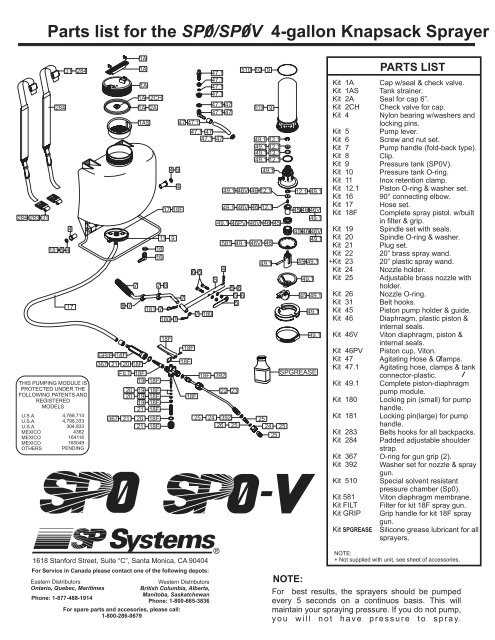
Use a labeled schematic before disassembly to match each internal element with its role and prevent seal damage during reassembly. A clear layout showing the handle drive, check valves, intake tube, and reservoir connection reduces trial-and-error and shortens service time.
The hand-driven pressure unit relies on a piston rod linked to a return spring, paired with one-way valves that control liquid flow. The intake path feeds fluid from the tank through a weighted hose, while the outlet path channels it toward the lance. Gaskets and O-rings maintain airtight operation; mismatched diameters or worn elastomers cause pressure loss within a few strokes.
A sectional layout helps identify wear points fast: the plunger cup shows abrasion first, the trigger housing accumulates residue, and the nozzle insert defines spray pattern accuracy. For maintenance, silicone grease suits sliding seals, while EPDM rings handle most garden chemicals without swelling.
Reference views with exploded alignment simplify upgrades and repairs by showing how fasteners, springs, and seals stack. Keep spare valve discs and a replacement plunger cup on hand; these items restore pressure more reliably than tightening fittings or replacing the handle assembly.
Pump Sprayer Parts Diagram

Use a labeled layout to identify wear points before disassembly, focusing first on the pressure chamber, intake tube, and discharge head to avoid misalignment during reassembly.
The pressurized container holds liquid and air; its threaded neck must match the actuator head to prevent leaks. Inspect the sealing ring at this junction for flattening or cracks, replacing it with nitrile or EPDM based on chemical exposure.
The manual press unit converts hand motion into internal pressure through a piston and cylinder. Check the piston cup orientation; a reversed lip reduces compression and causes slow output. Apply silicone-based lubricant sparingly to reduce friction.
Liquid transfer begins at the dip conduit reaching the base of the vessel. A weighted filter at its end stabilizes uptake; rinse it to clear sediment that restricts flow. Cut the conduit square if shortened, keeping clearance from the bottom.
Control at the discharge head relies on a spring-loaded valve and adjustable tip. Fine mist requires a clean orifice; soak mineral deposits in warm vinegar, then flush. For stream delivery, align the internal cone without overtightening.
The extension lance improves reach and accuracy. Inspect threaded couplers for cross-threading and replace worn O-rings to maintain pressure. A bent lance alters spray pattern; straighten or swap to restore consistency.
Pressure release hardware protects the container from overloading. Test the relief feature periodically by manual activation; delayed response signals debris buildup. Clean the seat and verify smooth spring action.
After servicing, assemble components in sequence, hand-tighten interfaces, and perform a water-only trial to confirm uniform output and steady pressure retention.
Identifying Individual Components in a Pressure Applicator Schematic and Their Functions
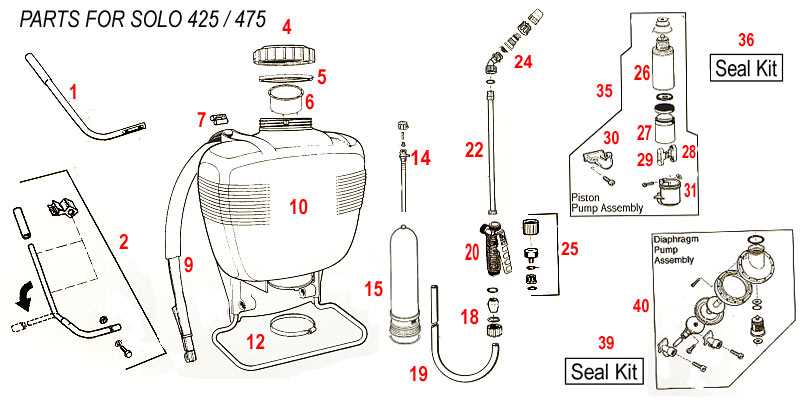
Use the schematic view to match each element by shape and connection path, then verify its role by tracing fluid and air flow from the container to the outlet.
Reservoir vessel holds the liquid load; inspect wall thickness and threaded neck compatibility to prevent deformation under internal pressure.
Pressure cylinder converts manual strokes into compressed air; confirm bore diameter and stroke length to estimate achievable output force.
Piston cup seals against the cylinder wall; choose flexible elastomer for cold conditions and stiffer polymer for solvent resistance.
Intake check valve admits air on the upstroke; verify arrow orientation on the schematic view to avoid reverse installation.
Outlet check valve retains compressed air; a worn seat causes rapid pressure loss–replace if the seal edge appears nicked.
Transfer line routes liquid upward; select reinforced tubing to prevent collapse when negative pressure occurs at the inlet.
Lance assembly provides reach and aim; aluminum shafts resist bending, while stainless steel tolerates corrosive mixes.
Trigger valve meters flow on demand; confirm spring rate and plunger travel to ensure smooth modulation without chatter.
Nozzle insert shapes the spray pattern; flat-fan tips suit surface coverage, cone tips handle spot treatment–match orifice size to viscosity.
Seal set prevents leaks at joints; cross-reference O-ring diameters on the schematic view and lubricate with compatible grease.
Inlet screen blocks debris before it reaches valves; choose finer mesh for powders, coarser mesh for thick solutions.
Safety vent releases excess pressure; test actuation threshold after reassembly to avoid vessel stress.
Using a Component Schematic to Diagnose Leaks, Pressure Loss, and Element Replacement
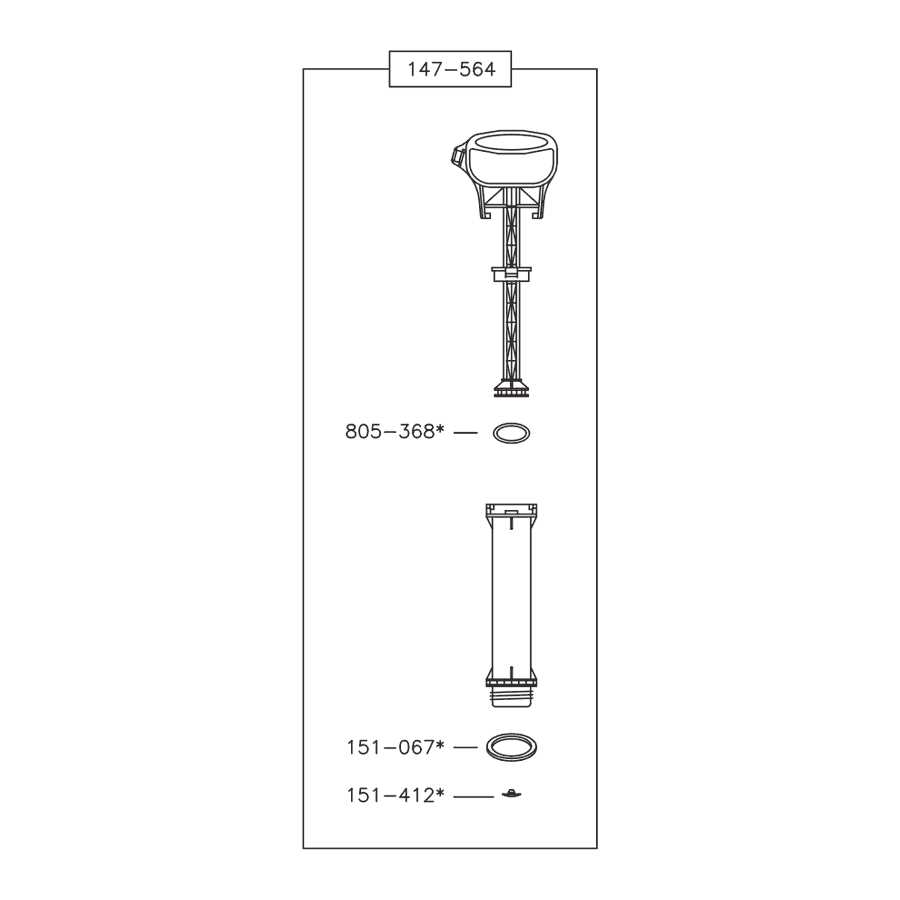
Match visible fluid escape or weak output to the exact location on the exploded layout before touching any fasteners.
A clear schematic of a hand-pressurized applicator shows how the cylinder, plunger seal, intake valve, outlet valve, hose, and nozzle align, allowing fast isolation of faults without guesswork.
- Liquid at the handle area points to a worn piston cup or scored cylinder wall.
- Drips beneath the tank neck signal a flattened gasket or cracked collar.
- Moisture along the hose indicates a fatigued clamp or split line.
- Seepage at the tip suggests debris under the outlet valve seat.
Loss of pressure follows predictable paths when traced on the layout.
- Air returns to the reservoir after each stroke: intake check valve stuck open.
- Resistance drops mid-stroke: piston seal inverted or hardened.
- Pressure builds yet output fades: outlet check valve not sealing.
- Consistent force with no discharge: nozzle orifice blocked.
Use the schematic to confirm size and orientation before swapping elements; many seals share similar diameters but differ in lip direction.
- Replace elastomer rings with the same cross-section and material rating.
- Align valve springs exactly as shown to avoid reverse flow.
- Seat flat washers against smooth faces shown on the layout.
- Torque threaded joints evenly to prevent oval distortion.
After reassembly, pressurize with clean water and observe the same reference points on the layout to verify the fix before returning the applicator to service.