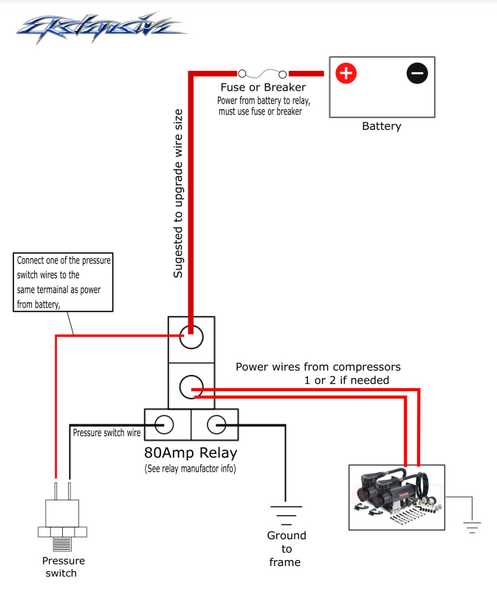
Connect the coil terminals to a stable voltage source matching the device rating. Ensure polarity is correct for DC applications and use fuses to protect against short circuits or overloads.
Identify each contact clearly before linking to load circuits. Mark normally open and normally closed points to prevent accidental misconnection that could damage equipment or create safety hazards.
Use insulated and appropriately gauged conductors for all connections. High-current paths should employ thicker cables to reduce voltage drops and heat buildup during operation.
Test the switching function by manually energizing the coil and observing contact movement. Verify that all actuated devices respond correctly and that no sparking or abnormal resistance occurs across terminals.
Relay Connection Guide for Electrical Circuits
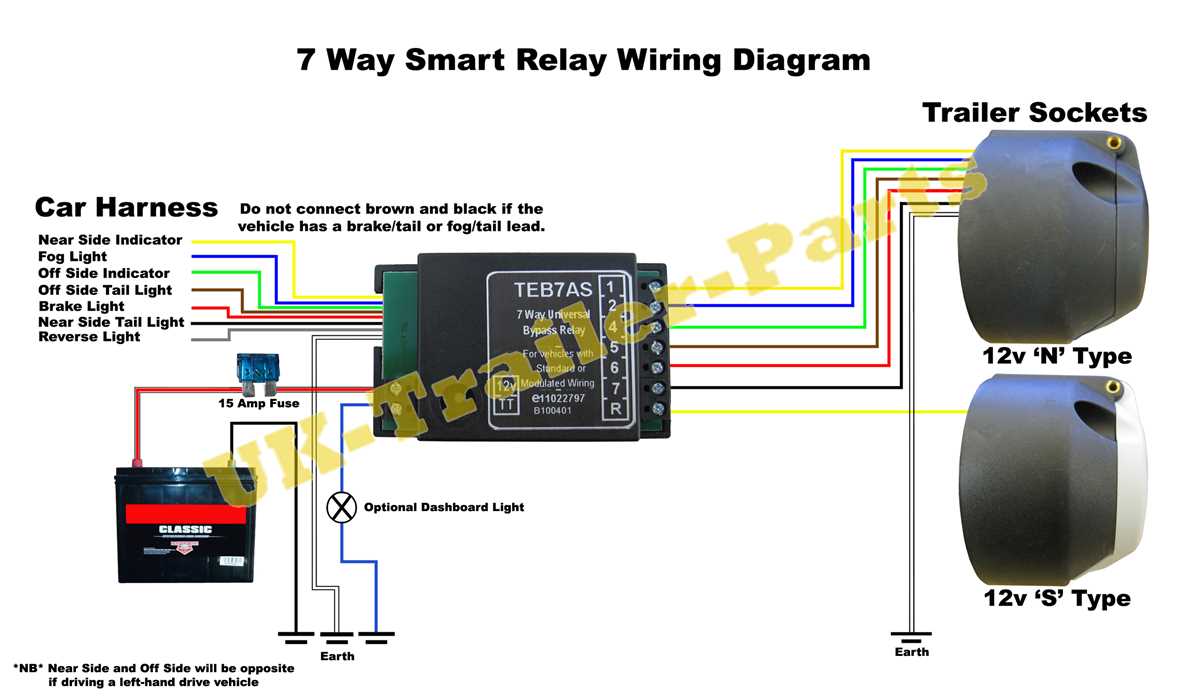
Identify the coil terminals before connecting to a power source. Confirm voltage ratings and apply a protective fuse to prevent overcurrent damage during initial activation.
Mark all contact points clearly to distinguish normally open from normally closed connections. This labeling prevents accidental short circuits and ensures correct operation of controlled devices.
Use conductors with appropriate gauge for each path. Low-resistance cables reduce heat buildup in high-current loads, and insulation should match the operating voltage to maintain safety.
Separate control and load lines to minimize electromagnetic interference. Routing sensitive signal lines away from heavy current paths prevents signal distortion and false triggering.
Test each connection individually with a multimeter before applying full power. Verify coil activation causes proper contact switching and that all attached devices respond without sparks or unexpected behavior.
Secure terminals with locking connectors or screws to prevent loosening from vibration or repeated switching. Regular inspection ensures long-term reliability and avoids intermittent faults in the electrical setup.
Identifying Relay Terminals and Coil Connections
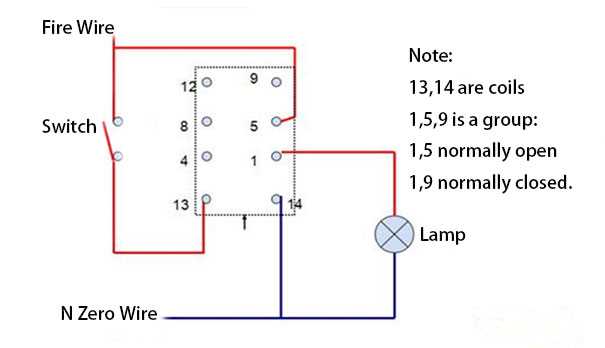
Label each terminal carefully before applying any voltage. Use a multimeter to verify continuity between pins and determine which ones operate the electromagnetic coil versus the switching contacts.
Check manufacturer markings such as NC (normally closed), NO (normally open), and common. These labels indicate the state of contacts when the coil is unpowered, which helps avoid misconnection in circuits.
Test coil resistance using an ohmmeter to ensure it matches the specified rating. Connect the coil to a controlled low-voltage source first, observing that the movable contacts respond correctly without overheating or sparking.