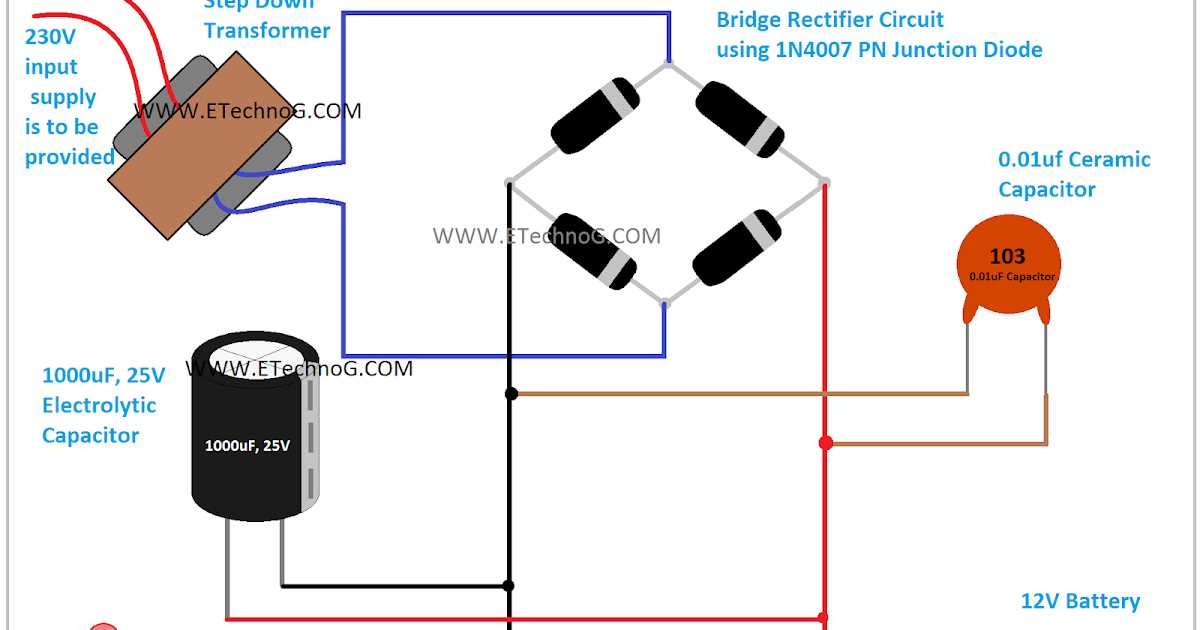
Connect the input terminals to a regulated AC source matching the component specifications to prevent overvoltage damage. Ensure the line is fused to protect against short circuits and spikes.
Select capacitors and resistors with correct voltage ratings to maintain smooth output and reduce ripple. Using underrated components can cause overheating or failure during operation.
Assemble the rectifier and filtering section first to convert alternating current into steady direct current. Check the polarity of each diode to prevent reverse current flow and potential damage to the transformer.
Measure the output with a multimeter before connecting any load. Confirm that voltage levels match the target specification and adjust regulator components if the output deviates from expected values.
Secure all connections with insulated terminals and heat shrink to prevent accidental contact and maintain stability under vibration or movement. Loose contacts can create intermittent operation or noise in the supply.
Step by Step Construction of a Stable Voltage Conversion System
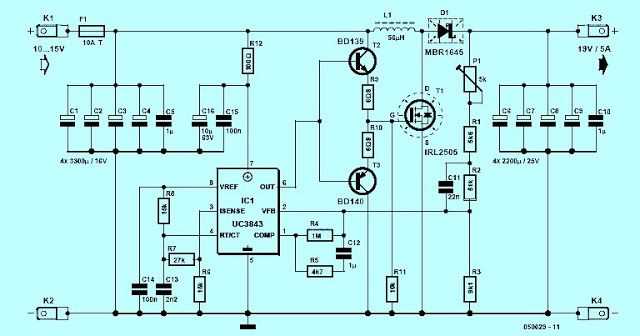
Begin by assembling the transformer and rectification stage. Connect the primary coil to a properly fused AC line and verify insulation integrity. Install diodes in a bridge configuration to convert AC to DC, checking orientation carefully. Use a multimeter to confirm no short circuits before proceeding to filtering components.
Next, add smoothing capacitors and voltage regulators to stabilize the output. Choose capacitor values based on load current and ripple tolerance, and secure all components with insulated connectors. Test the output under varying loads to confirm steady voltage, then mount the assembly in a protective enclosure to prevent contact with live terminals and mechanical stress.
Selecting Components and Calculating Voltage Requirements
Determine the required output voltage and current by analyzing the load specifications. Use these values to select transformers, resistors, and regulators that can handle peak demands without overheating.
Choose capacitors with voltage ratings at least 25% higher than the expected output to maintain stability and prevent breakdown under transient spikes. Electrolytic capacitors are preferred for high capacitance filtering, while ceramic types handle high-frequency noise.
Pick diodes that exceed maximum reverse voltage and forward current to avoid failure during load surges. Schottky diodes can be used for fast switching applications, but ensure they can sustain the expected thermal load.
Calculate resistor values for voltage dividers or current limiting by applying Ohm’s law. Verify power ratings to prevent overheating; a resistor dissipating more than 0.5 watts in a small package will require a larger or heat-sinked component.
Consider thermal management for all active components. Use heat sinks or adequate spacing for regulators and transistors to maintain junction temperature below maximum ratings and ensure consistent output under continuous operation.
Double-check all specifications before assembly by comparing component datasheets with calculated requirements. Minor deviations can lead to voltage drops, excessive ripple, or system instability, so precise matching improves reliability and performance.