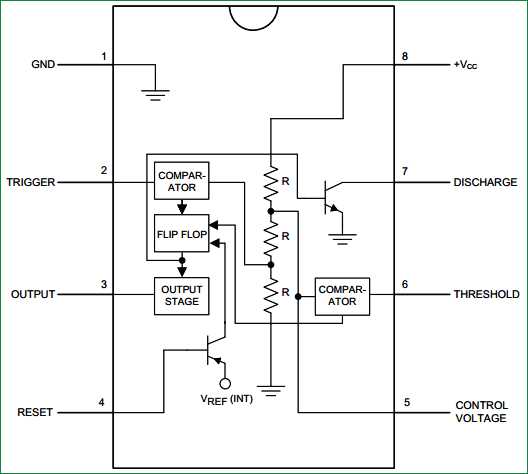
Use a 9V battery and a SPST switch to create a compact alert device capable of immediate response. Ensure all connections are soldered and insulated to prevent short circuits.
Select transistors like the BC547 for reliable signal amplification, and pair them with resistors ranging from 1kΩ to 10kΩ to control current flow. Proper component values prevent overheating and ensure stable operation.
Position the push button strategically so it can be activated within seconds. Wiring should follow a clear path to reduce resistance and minimize signal loss, allowing the notification module to trigger instantly.
Test the assembly with a small buzzer or LED before connecting larger alert devices. This verifies continuity and functionality, helping identify faulty components or loose connections early in the setup.
Use a plastic enclosure to protect the system from dust and accidental contact. Ensure ventilation is sufficient for heat dissipation, especially if multiple LEDs or sounders are used simultaneously.
Security Alert System Assembly
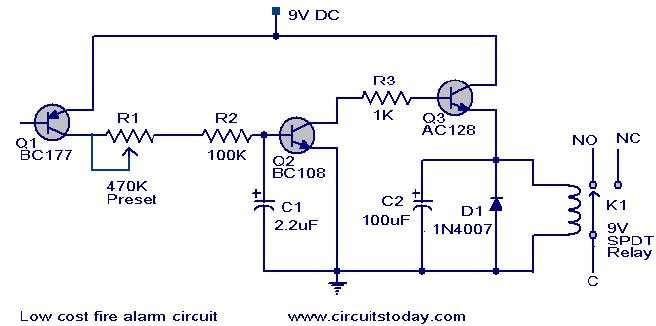
Connect a 12V DC supply directly to the relay module to control high-current devices without overloading the small signal components. Use a diode like 1N4007 across the relay coil to prevent voltage spikes that could damage transistors.
Install a tactile push switch at a reachable location to trigger the notification device instantly. Pair it with a 10kΩ pull-down resistor to stabilize the input and avoid false activations from electrical noise or minor voltage fluctuations.
Use a small buzzer rated 3–5V for testing and confirm that LEDs light up immediately when the trigger is pressed. Route wires neatly, avoiding sharp bends, and secure components on a breadboard or PCB to maintain consistent performance under repeated use.
Selecting Components for a Reliable Security Trigger
Choose transistors with sufficient gain and voltage rating to drive relays or sound modules without overheating. BC547 or 2N2222 are suitable for low-current switching, while TIP120 handles higher loads efficiently.
Use resistors to control current precisely. Typical values for input stabilization range from 1kΩ to 10kΩ, while current-limiting resistors for LEDs depend on supply voltage and LED forward voltage. Capacitors from 10µF to 100µF can filter voltage fluctuations and prevent false activation.
- Switch type: SPST or tactile push buttons rated at 12V, 1A for immediate response.
- Relay selection: 12V coil with contact rating above connected load.
- Visual indicator: 5mm or 10mm LED with 330Ω to 470Ω resistor.
- Sounder module: Piezo buzzer or small speaker rated 3–12V.
Secure all components on a breadboard for testing, then transfer to a perfboard or custom PCB. Check that solder joints are clean and connections follow the shortest path to reduce resistance and voltage drops.