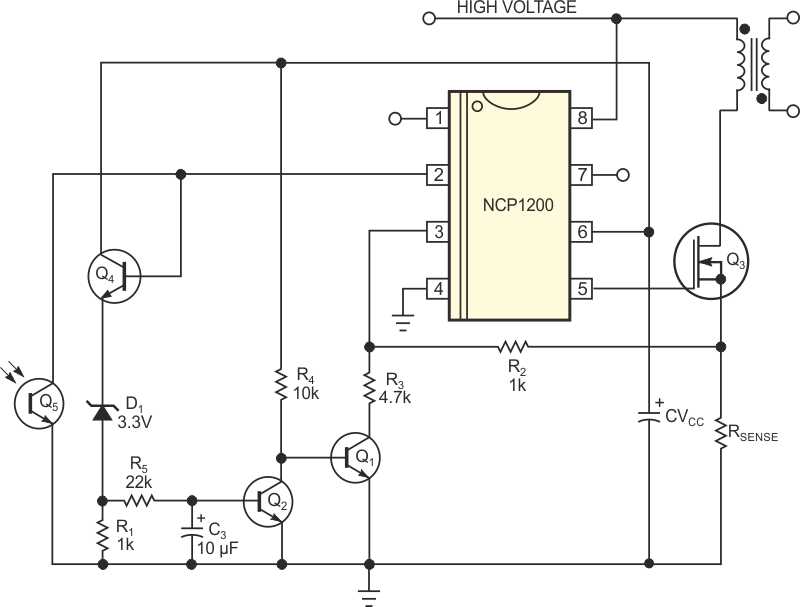
To prevent damage to electrical components from excessive current, understanding the layout of a protective system is crucial. A well-designed protection mechanism ensures that circuits disconnect in time to avoid overheating or failure of equipment. If you’re working with a circuit design, familiarize yourself with the specific components that control this process, including thermal and magnetic breakers, as they serve as the main protectors against electrical surges.
The configuration of these protective elements is key in limiting the risk of electrical fires or equipment malfunction. Each part plays a role in sensing the flow of current and activating a trip mechanism when thresholds are exceeded. The role of contactors and relays in this setup cannot be underestimated, as they ensure that power is disconnected when needed without causing damage to the wiring or other critical infrastructure.
By analyzing these systems, you can identify potential failure points in real-time and improve the overall reliability of your electrical network. Regular maintenance and inspection of these protective setups are recommended, as components can wear out or become less sensitive over time. Keeping these systems in check is an important step in ensuring the longevity and safety of electrical installations.
Understanding Protection Mechanisms in Electrical Layouts
To prevent damage from excessive current, it is critical to design systems that automatically disconnect the power when the flow exceeds safe limits. One of the most common methods involves using a thermal or magnetic tripping device, which activates when the current becomes too high. These protective elements should be calibrated correctly to avoid nuisance trips while ensuring reliable protection against electrical faults.
It’s important to assess the current rating of each component in the protection setup. Devices like fuses, circuit breakers, and contactors must be selected based on the expected load and the safety margins required. If the system is designed to carry 20A, but the protection device trips at 30A, there’s a significant risk of damage to downstream equipment.
How to Read Protection Schemes
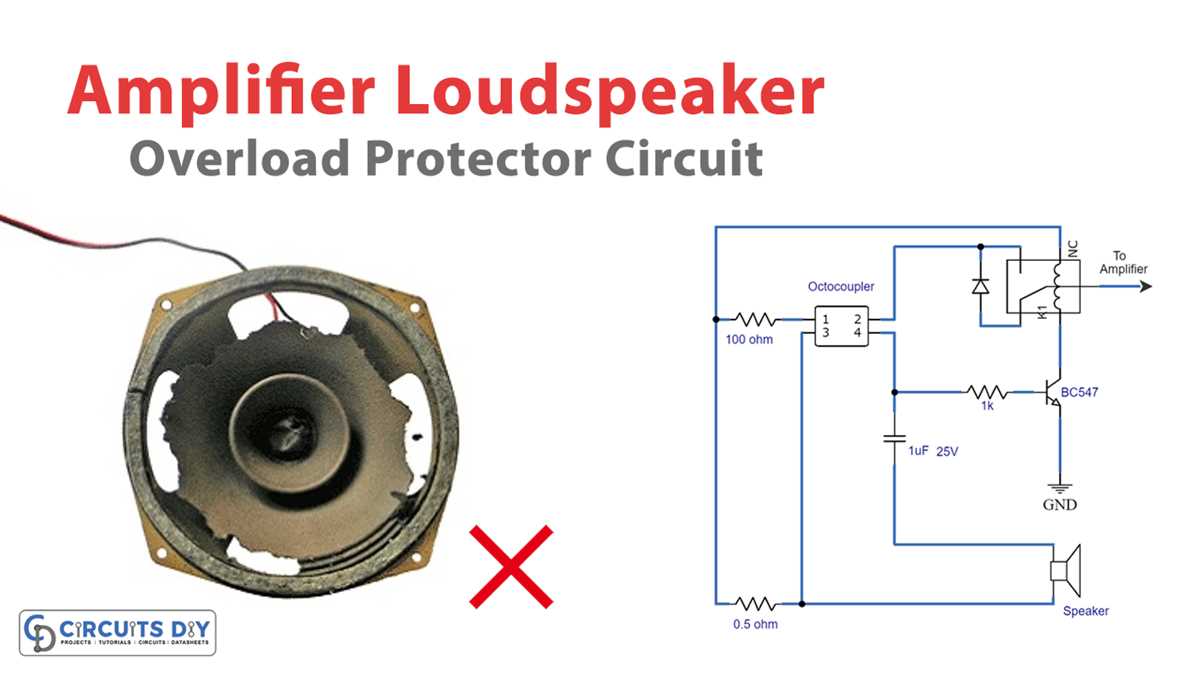
Understanding the symbols used in protection systems can help you quickly interpret and troubleshoot these setups. Each component has a distinct representation: thermal relays are often shown with a coil symbol, while circuit breakers may appear as a switch icon. It’s crucial to recognize these symbols for efficient diagnostics and repair work. Make sure you are familiar with both standard and non-standard markings that may be present on the blueprint.
Once you identify the protection components, analyze the connection points. These elements are designed to be activated by specific conditions, such as excessive current or a short circuit. Check whether the tripping mechanism is designed to disconnect the load from both the live and neutral lines or just the live one. This determines how effectively the protection system isolates the issue.
Common Issues in Protection Designs
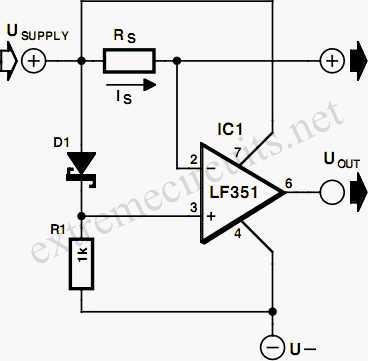
One common issue is the incorrect sizing of the protective device. If the protection device is too large for the wiring or equipment it’s designed to protect, it may fail to trip in time, leading to overheating. On the other hand, if it is too small, it could cause unnecessary interruptions in the system’s operation. Regularly recalibrating protection devices according to actual system conditions can prevent such issues.
Another issue to watch for is improper coordination between the devices. In complex systems, multiple protection devices might trip simultaneously or fail to operate in a sequential manner, leading to unnecessary downtime or damage. It’s important to establish a coordinated trip sequence where devices closer to the fault are the first to disconnect, preventing more severe damage to upstream equipment.
Finally, don’t forget the importance of regular maintenance. Protection mechanisms can wear out over time, especially mechanical components like relays and contactors. An inspection every six months to a year can help detect any signs of wear, corrosion, or misalignment, ensuring that your system remains secure.
In conclusion, designing and maintaining an effective protection system requires attention to detail. Each component must be chosen with care and properly installed to function as intended. Regular checks, appropriate sizing, and correct coordination are all key to ensuring that your setup performs reliably under various conditions.