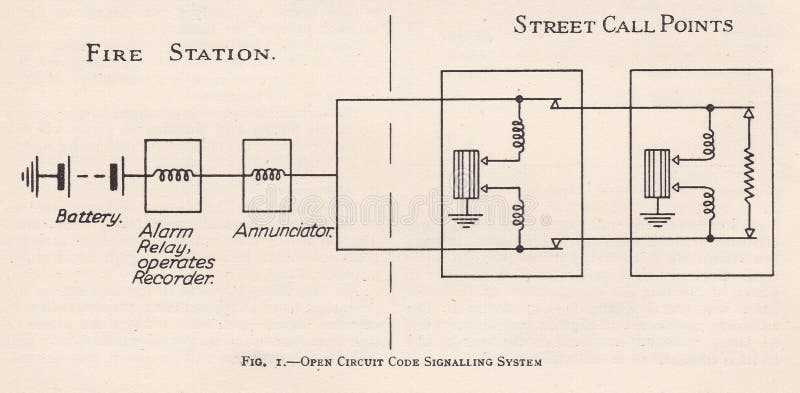
Begin by labeling each detector and manual call point on your property map, noting the type and coverage area. Ensure line paths avoid interference from metal structures and high-voltage cables to maintain signal clarity.
Use the recommended gauge for conductors connecting panels to devices, typically 18 AWG for standard signaling loops and 16 AWG for longer runs exceeding 100 feet. Keep junction boxes accessible for inspection and future expansion.
Document all connections with clear legends, including breaker assignments and terminal locations. Test each loop with a continuity meter before energizing to prevent misfires or false notifications.
Distribute power sources to separate branches to reduce load stress, and confirm all grounding points are secure. This ensures that control modules respond correctly and that notification devices activate promptly when triggered.
How to interpret sensor symbols and line connections
Use the legend to identify each sensor type and connection line. Solid lines typically represent main signal paths, dashed lines indicate optional or secondary links, and junction points show whether wires are joined or crossing without contact. Mark each device location on your floor plan for reference during installation.
Reading and verifying connections
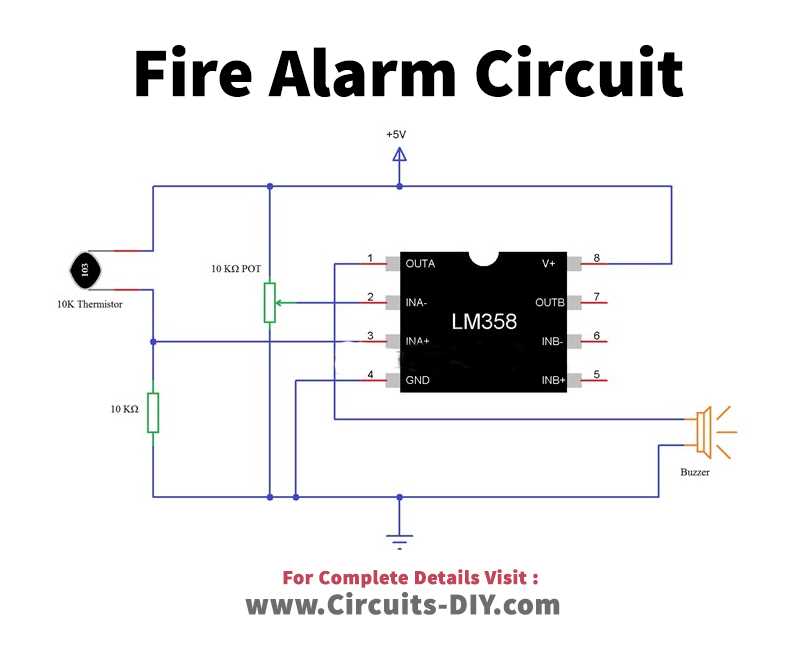
- Match each symbol with the legend to confirm device function.
- Trace lines from the control panel to ensure continuity and correct routing.
- Check for parallel and series arrangements to understand triggering behavior.
- Note any special modules like notification devices or tamper switches.
- Document all connections in a reference table for maintenance checks.
Confirm that line lengths and conductor sizes meet manufacturer recommendations. Test each loop for continuity and voltage drop before powering the network, ensuring that every detector and signaling device will respond accurately during activation.
Planning alarm circuits for detectors and manual call points
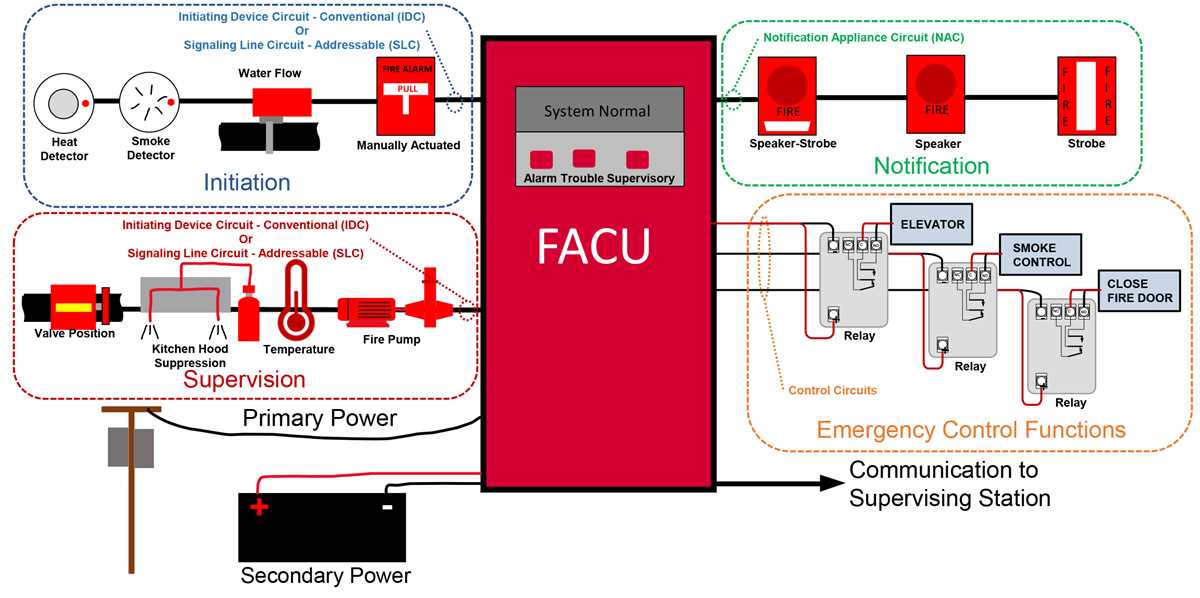
Assign separate lines for each zone to prevent overload and simplify troubleshooting. For large areas, group detectors by floor or wing and connect them to dedicated modules to maintain response reliability.
Position manual call points near exits and high-traffic areas, ensuring accessibility and visibility. Maintain a minimum spacing of 30 feet between devices to comply with coverage standards and avoid redundant activation.
Use appropriate conductor sizes for signal loops, typically 18 AWG for standard runs under 100 feet and 16 AWG for longer distances. Keep wiring away from power lines and metallic obstructions to reduce interference.
Label each line and device on a reference sheet, noting loop type, device ID, and terminal assignments. This practice allows quick identification during maintenance and ensures that modifications do not compromise operation.
Test each loop individually with a continuity meter before energizing. Verify that all detectors respond to simulated activation and that manual call points trigger control modules correctly, confirming the network is fully operational and reliable.
Connecting panels and testing continuity for safe operation
Ensure the main power feed is disconnected before starting any connections. Identify the panel type and confirm its rating matches the total load of connected detectors and manual call points.
Secure the panel on a flat surface, maintaining at least 3 inches of clearance on all sides for ventilation and access. Mount bus bars firmly and verify that all terminals are clean and free of corrosion.
Panel connection steps
Follow the recommended sequence when attaching loops:
- Connect ground wires to the designated bus bar.
- Attach neutral lines to the neutral bus and tighten to manufacturer torque settings.
- Connect each zone or loop line to its dedicated terminal.
- Label all lines with ID numbers corresponding to your reference sheet.
- Ensure all covers are removed for visibility during initial testing.
Check each connection visually and with a multimeter to verify continuity. Look for breaks, loose screws, or crossed wires before energizing the network.
Use the following reference table for standard loop resistance and voltage drop limits:
| Loop Length | Wire Gauge | Max Resistance | Voltage Drop Limit |
|---|---|---|---|
| Up to 100 ft | 18 AWG | 5 ohms | 2% |
| 100-200 ft | 16 AWG | 3 ohms | 1.5% |
| Over 200 ft | 14 AWG | 2 ohms | 1% |
Test each loop individually by simulating detector activation and manually operating call points. Verify that signals reach the panel and that indicator LEDs respond according to design specifications.
Document all measured values and label deviations for correction. Repeat testing after adjustments to ensure full compliance with operational standards.
Final inspection and energizing
Before restoring power, confirm that all protective devices such as fuses or breakers are correctly rated and installed. Gradually energize the network and observe each zone for proper function.
Schedule periodic checks to maintain continuity and detect potential degradation in wiring or connectors. Regular inspection ensures that the network remains reliable and responsive over time.