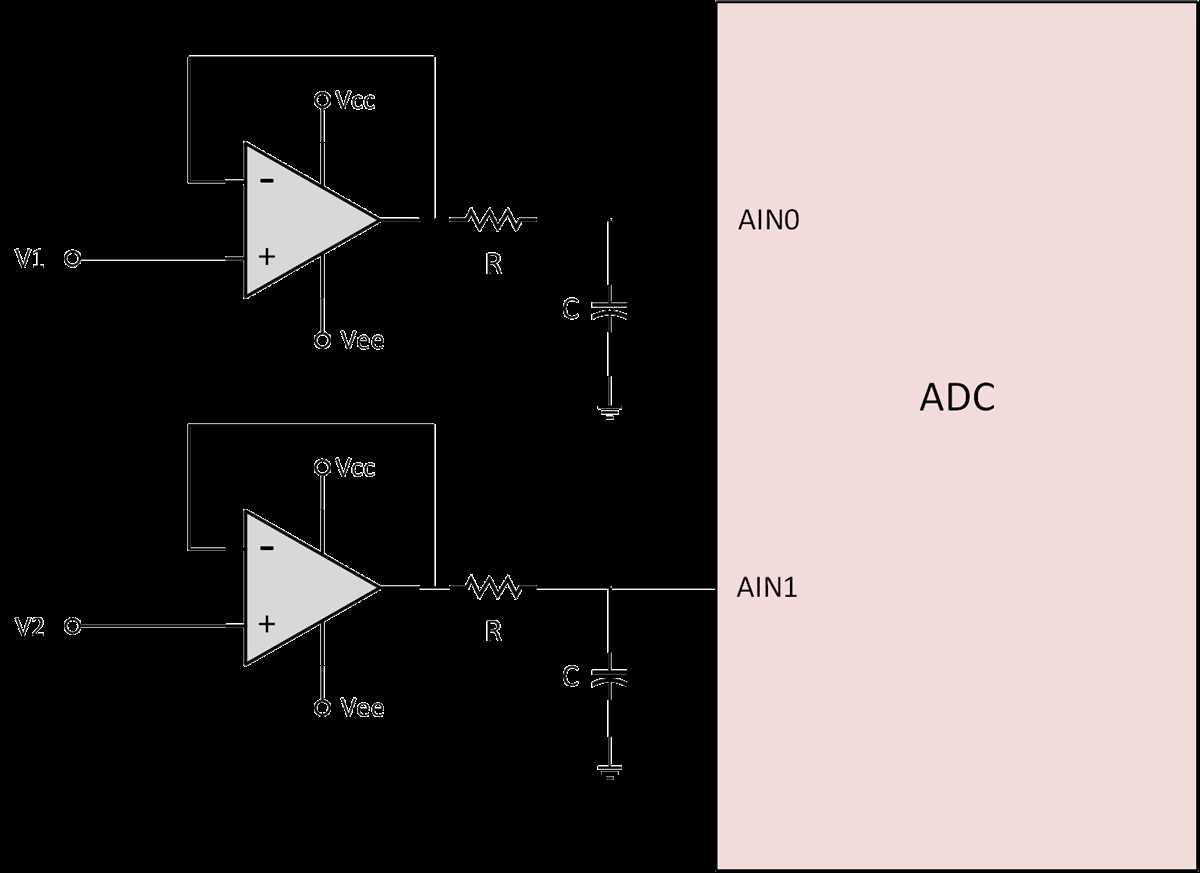
Choose a component with low offset voltage and high input impedance to prevent loading the preceding stage. Verify that the slew rate meets the frequency range of the input signal to avoid distortion in high-speed applications.
Connect the input directly to the non-inverting terminal while routing the output back to the inverting input. This configuration maintains unity gain and allows the stage to drive heavy loads without altering the source signal.
Include bypass capacitors close to the power supply pins to minimize voltage fluctuations. Values between 0.01 µF and 0.1 µF ceramic capacitors are recommended for high-frequency decoupling, while larger electrolytic capacitors handle low-frequency variations.
Check load limits for each device output. Ensure that the connected resistor or active load does not exceed the output current rating, as exceeding it may reduce lifespan or cause thermal shutdown in sensitive modules.
Document terminal connections with voltage levels and pin functions. Clear labeling allows rapid identification of input, output, and power lines during testing, reducing troubleshooting time and preventing accidental cross-connections.
Op Amp Voltage Follower Setup and Connections
Select a device with input impedance above 10 MΩ to prevent loading the source. Verify that the output current rating can handle the connected load without exceeding thermal limits.
Route input and output terminals carefully to maintain signal integrity. Avoid running control lines parallel to high-current traces to reduce induced noise and voltage fluctuations.
- Connect the non-inverting input to the signal source.
- Link the output directly to the inverting input to maintain unity gain.
- Use short, low-resistance leads to minimize voltage drop.
Include decoupling capacitors near power pins: a 0.01 µF ceramic for high-frequency spikes and a 10 µF electrolytic for low-frequency variations. This prevents oscillations and stabilizes voltage rails.
Load Protection and Current Management
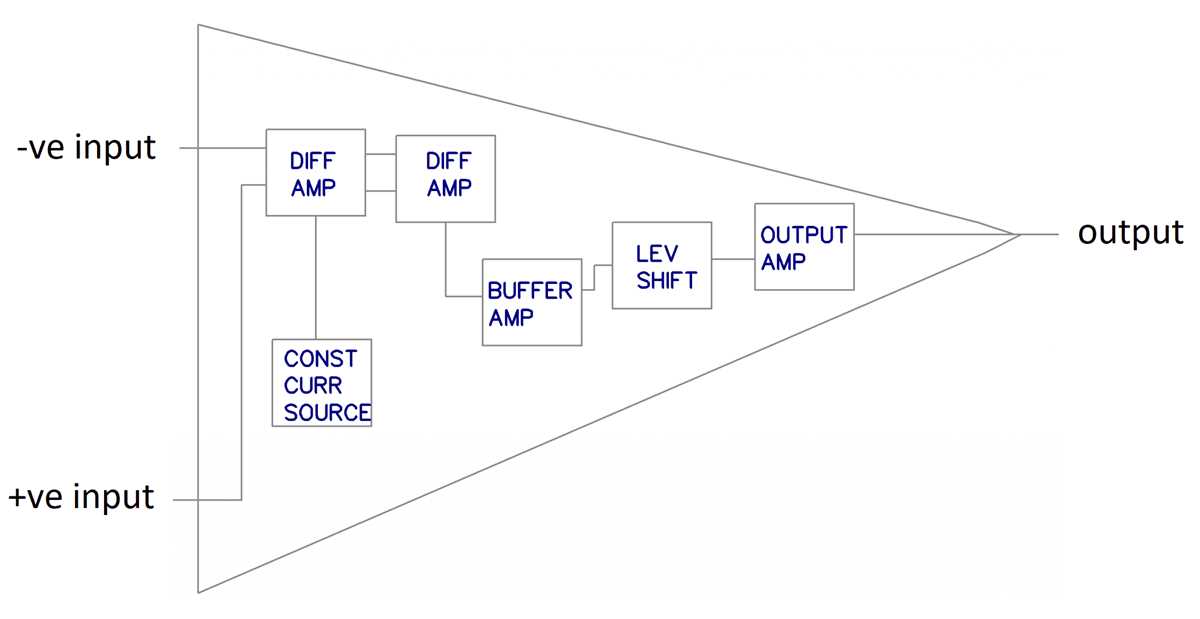
Verify load resistance to ensure output does not exceed maximum current rating. For resistive loads above 1 kΩ, standard devices suffice; for lower resistances, include a series resistor or active current limiter.
Monitor temperature during initial testing. Continuous operation near maximum ratings can cause junction overheating. Thermal pads or small heat sinks may be required for high-current stages.
Signal Tracing and Documentation
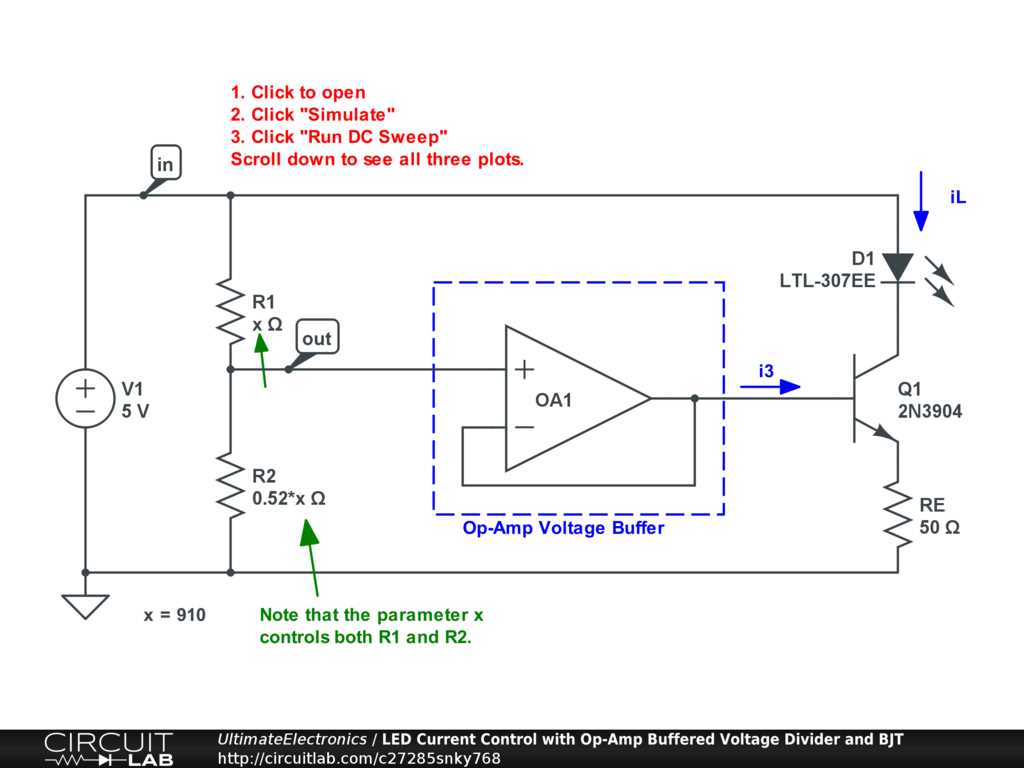
- Label input, output, and power pins with voltage levels.
- Record load conditions and any series components used.
- Include notes on bypass capacitor placement and values.
- Document any modifications for future maintenance or testing.
Selecting the Right Op Amp for Voltage Follower Applications
Check input impedance first. Choose a device with input resistance above 10 MΩ to prevent loading the signal source, especially when interfacing with high-impedance sensors or measurement instruments.
Evaluate the output current capacity. Ensure the device can drive the intended load without exceeding maximum ratings. For loads below 500 Ω, confirm that the selected component can maintain stable voltage under peak currents.
Verify bandwidth and slew rate for the application. High-frequency signals require a device capable of at least 10× the maximum input frequency to prevent phase lag and distortion.
Consider input offset voltage and bias current. Low offset (
Check supply voltage range and tolerance. Devices that operate over ±2 V to ±15 V or single-supply 5 V–12 V provide flexibility for integration into varied systems while maintaining linearity.
Assess temperature stability for continuous operation. Devices rated for industrial or extended temperature ranges (-40 °C to 85 °C) ensure reliable performance in environmental or embedded applications.