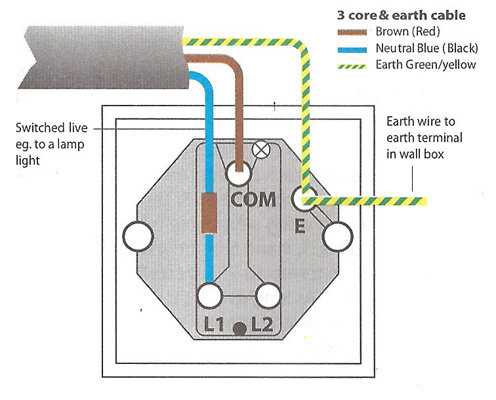
Use a 10A rated switch to manage a single lighting point safely. Ensure the incoming power line is protected by a suitable fuse or miniature circuit breaker to prevent overloads.
Identify the live and neutral conductors clearly before making any connections. Live wires should connect to the switch terminal while neutral wires bypass the control point and continue to the load.
Secure all connections with proper terminals and tighten screws to avoid loose contacts that can cause arcing. Use insulated connectors to prevent accidental short circuits.
Route wires neatly along the mounting surface and avoid sharp bends. Maintain at least 50mm spacing from other metallic structures to reduce the risk of interference or accidental contact.
Test the setup after installation by switching the load on and off. Verify that the switch interrupts the current completely and there is no residual voltage at the load when turned off.
Step by Step Guide to Connecting a Single Switch Electrical Setup for Homes
Connect the live conductor directly to the switch terminal and ensure the neutral wire bypasses the switch to reach the load. Use a screwdriver to secure the wires tightly and check that insulation is intact to prevent accidental shorting.
After securing connections, mount the switch in a recessed box and route the conductors along protective channels. Test the setup by turning the load on and off, confirming that the switch completely interrupts power and that no stray voltage is present at the fixture when off.
Choosing the Correct Switch and Fuse for a Single Line Setup
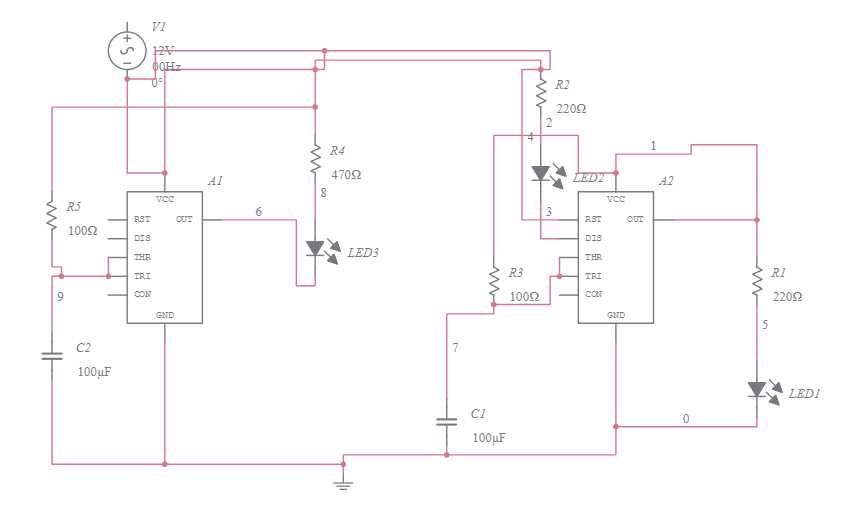
Select a switch rated for the load amperage and voltage of the line, ensuring it can handle starting surges without arcing. For residential installations, a 10–16A switch is standard for general lighting, while heavier loads like heaters require 20A or higher. Use copper conductors with proper insulation to maintain secure contact and prevent overheating.
Install a fuse matched to the maximum current of the line to protect against short circuits and overloads. Slow-blow fuses are recommended for inductive loads, while fast-acting fuses suit resistive loads. Position the protective element as close to the power source as possible, and verify continuity after installation to confirm proper protection.