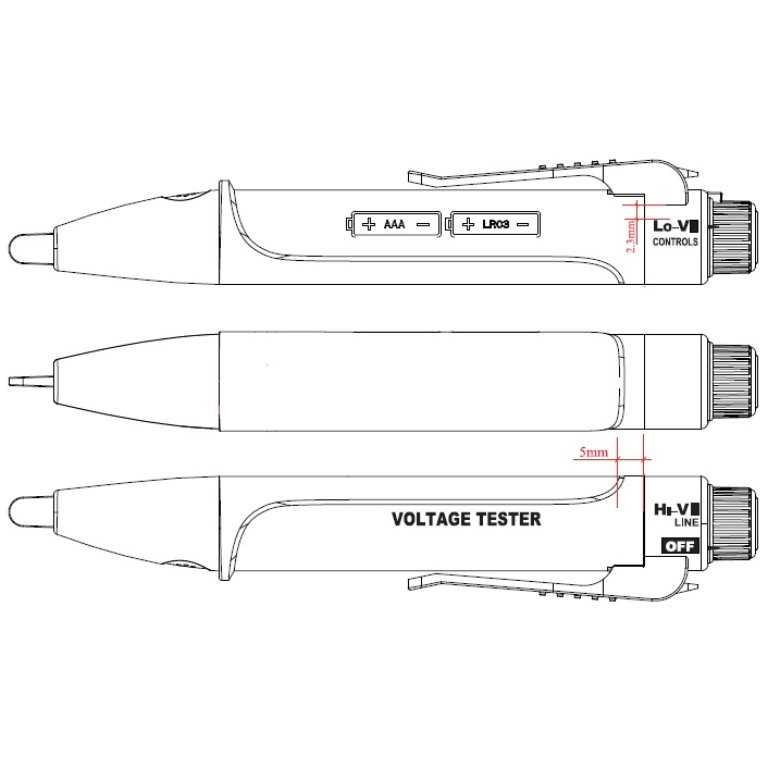
Start by selecting the right components to build a system that can detect electric fields from a distance without making direct contact with the wires. A typical setup involves using capacitive sensing elements and a high-resistance probe to safely measure the presence of electricity without any physical interaction.
Choose a high-sensitivity component like a transistor or an operational amplifier to create an effective sensing mechanism. The main goal is to detect even small variations in the electromagnetic field caused by the live wires, and you can achieve this by carefully selecting components that amplify these changes.
Ensure the power source for the circuit is isolated from the high-voltage lines you are detecting. A battery-powered circuit is ideal to keep the user safe from accidental electric shock while providing enough power for the sensors to work accurately. Also, include an LED or sound indicator to give a clear and reliable response to the presence of electrical power.
While assembling the circuit, use proper insulation materials and enclosures to protect both the components and the user. Pay particular attention to the quality of your connections, as any loose or exposed parts can cause failure or safety hazards. Finally, test the setup with known safe sources before use in real-world applications.
Designing a Safe Detection System for Electric Fields
To begin the design, use a high-sensitivity sensor that can detect electromagnetic fields without direct contact. A capacitive sensing element can be used to pick up variations in the electric field around live wires. Ensure the sensor is shielded to avoid interference from surrounding electronic devices.
Choose a suitable amplifier to boost the small signal detected by the sensor. An operational amplifier with a high gain can help in accurately detecting even weak signals. The output of this amplifier should be connected to an indicator, such as an LED or buzzer, which will alert the user when the system detects the presence of electricity.
Power the system with a low-voltage source, such as a 9V battery, to avoid risks of electric shock. This power source should be isolated from the high-voltage lines to ensure complete safety for the user. Incorporating proper voltage regulation is important for maintaining stable system performance over time.
For increased safety, use an enclosure that is both insulated and non-conductive. This will protect the user from accidental contact with exposed components and reduce the risk of short circuits. The circuit design should ensure that all parts are securely mounted within the enclosure to prevent any loose connections.
Test the system with a known power source before regular use. Ensure that the detection range covers a broad enough area for practical use and that the response time is fast enough to provide immediate alerts. Regular calibration and maintenance should also be considered to ensure ongoing accuracy and reliability.
How to Build a Non Contact Voltage Detector System
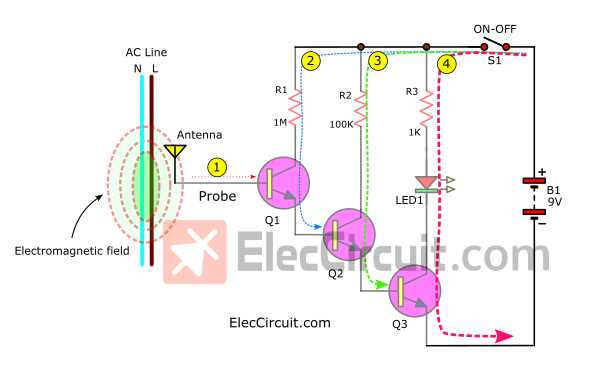
To begin constructing a high-efficiency detector, start with a capacitive sensor designed to detect electric fields around conductors. These sensors are sensitive to the surrounding electromagnetic environment and do not require direct physical contact with the power source, allowing for safe operation.
Next, choose a high-gain operational amplifier (Op-Amp) to amplify the weak signals picked up by the sensor. Ensure the amplifier has a low offset voltage and high common-mode rejection ratio to reduce any potential noise interference. The Op-Amp output should be connected to an indicator mechanism, such as an LED or a buzzer, which will provide a visual or audible alert when an electric field is detected.
Powering the System
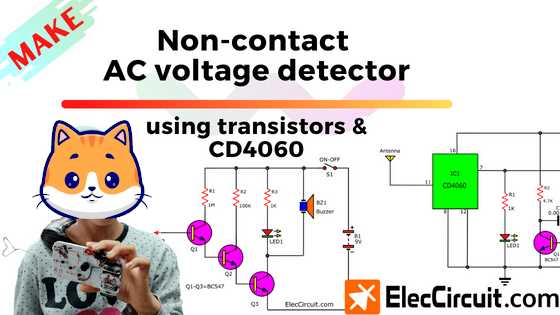
For reliable operation, use a low-voltage DC power supply, such as a 9V battery, which is isolated from the high-voltage circuits. Ensure the supply is regulated to maintain constant voltage, avoiding fluctuations that could interfere with the detector’s functionality. It’s also a good practice to use power-efficient components to prolong battery life.
Integrate a voltage regulator to ensure that the internal components receive a stable voltage regardless of battery levels. This will prevent fluctuations and keep the system’s performance consistent. A basic linear voltage regulator circuit will suffice for this purpose, ensuring smooth operation throughout the device’s lifespan.
Building the Enclosure
The components of the system should be enclosed in a non-conductive and insulated casing to protect against accidental electrical contact. The enclosure should be sturdy enough to prevent damage from drops or impact while providing adequate ventilation to dissipate heat generated by active components like the Op-Amp.
To prevent user error, label the sensor area and ensure that only the front of the device has exposed parts. This minimizes the risk of touching any components that may become accidentally energized while providing a clear area for the electric field detection.
After assembling the components and ensuring that everything is securely in place, proceed with testing the device on a live electrical source. Start by placing the detector near a known active electrical circuit, making sure the sensor responds appropriately. The LED should light up or the buzzer should sound when the device detects the presence of an electric field.
Finally, calibrate the system to fine-tune the sensitivity. If necessary, adjust the amplifier gain or fine-tune the sensor placement. Regularly test the device on different electrical sources to confirm its responsiveness and accuracy, ensuring that the system operates reliably for the long term.