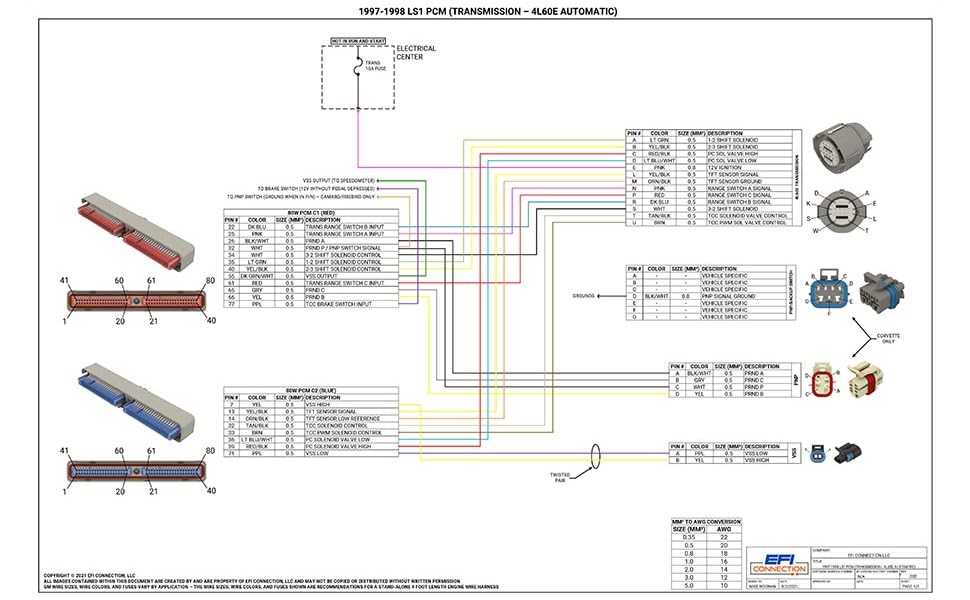
Match each connector to its corresponding sensor and control module before starting any installation. The main ECU interface includes pins for crank and cam position sensors, fuel injectors, ignition coils, and coolant temperature monitoring. Confirm pin numbers with the manufacturer chart to prevent misfires or sensor errors.
Route primary power and ground conductors directly to the battery and chassis frame. Use 10–12 AWG for ignition and starter lines, and 14–16 AWG for signal circuits. Ensure ground points are free of paint or corrosion to maintain low resistance paths for stable voltage readings.
Label each connection with durable tags to simplify integration of aftermarket modules such as fuel controllers, boost management, or data logging units. Avoid splitting sensor leads or splicing without solder and heat-shrink protection, as poor contact can trigger fault codes or intermittent operation.
Verify connector seating and retention clips to prevent vibration-induced disconnections. Modular terminals on LS engines often include weatherproof seals; inspect these seals and replace any damaged ones to maintain signal integrity in harsh environments.
Double-check routing near heat sources and moving components. Keep injector and coil circuits at least 2 inches from exhaust manifolds, throttle linkages, and drive belts. Proper layout reduces the risk of shorts and preserves reliable engine performance under load.
LS Wiring Harness Layout for Engine Swap Connections and Sensor Integration
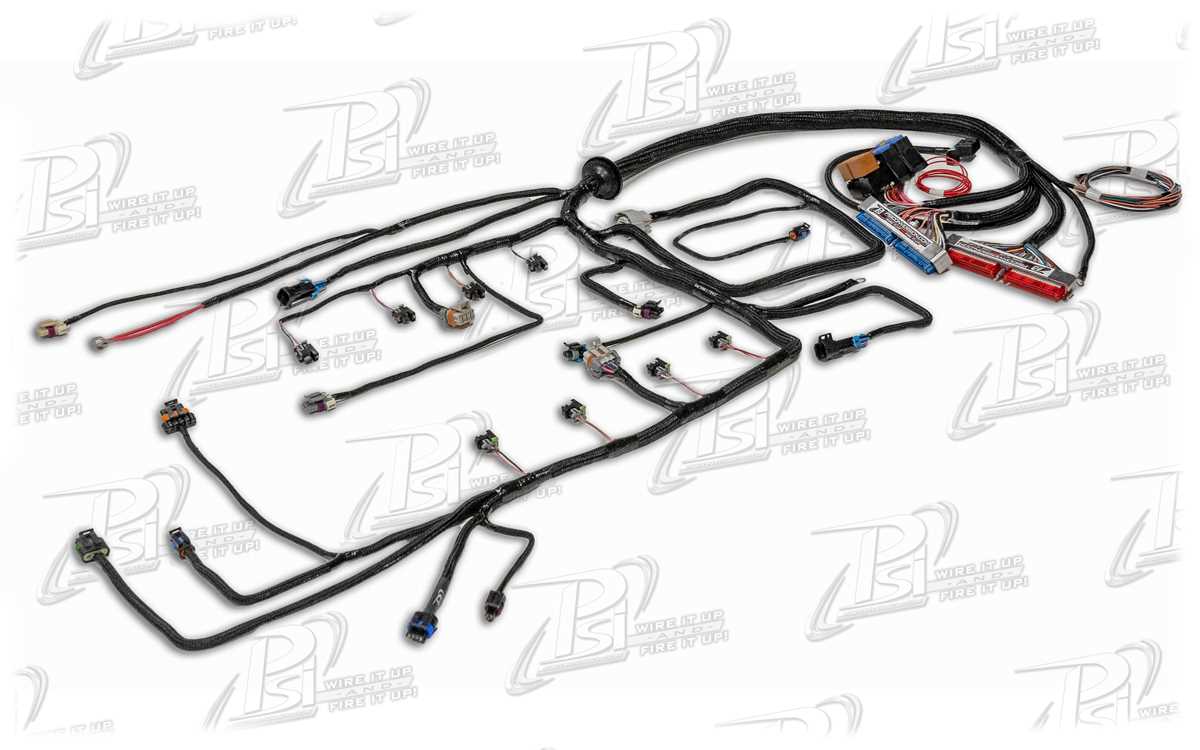
Connect each engine sensor and control module to its designated terminal according to the LS pinout chart. Crankshaft and camshaft sensors must attach to the correct pins to ensure accurate ignition timing. Fuel injectors and coil packs require matched terminals to prevent misfires. Verify that each connector is fully seated and that locking tabs are engaged to avoid intermittent electrical faults during engine operation.
Route power and signal conductors away from heat and moving components. Use 10–12 AWG for starter and ignition circuits, and 14–16 AWG for sensor and ECU leads. Ground connections should contact bare metal or cleaned surfaces to minimize resistance. For aftermarket modules like fuel controllers or data loggers, run leads parallel to factory lines but separated by at least 1–2 inches from high-temperature areas. This layout reduces interference, maintains stable signals, and ensures reliable engine performance under load.
Identifying Connector Pins and Matching Engine Sensors for LS Installations
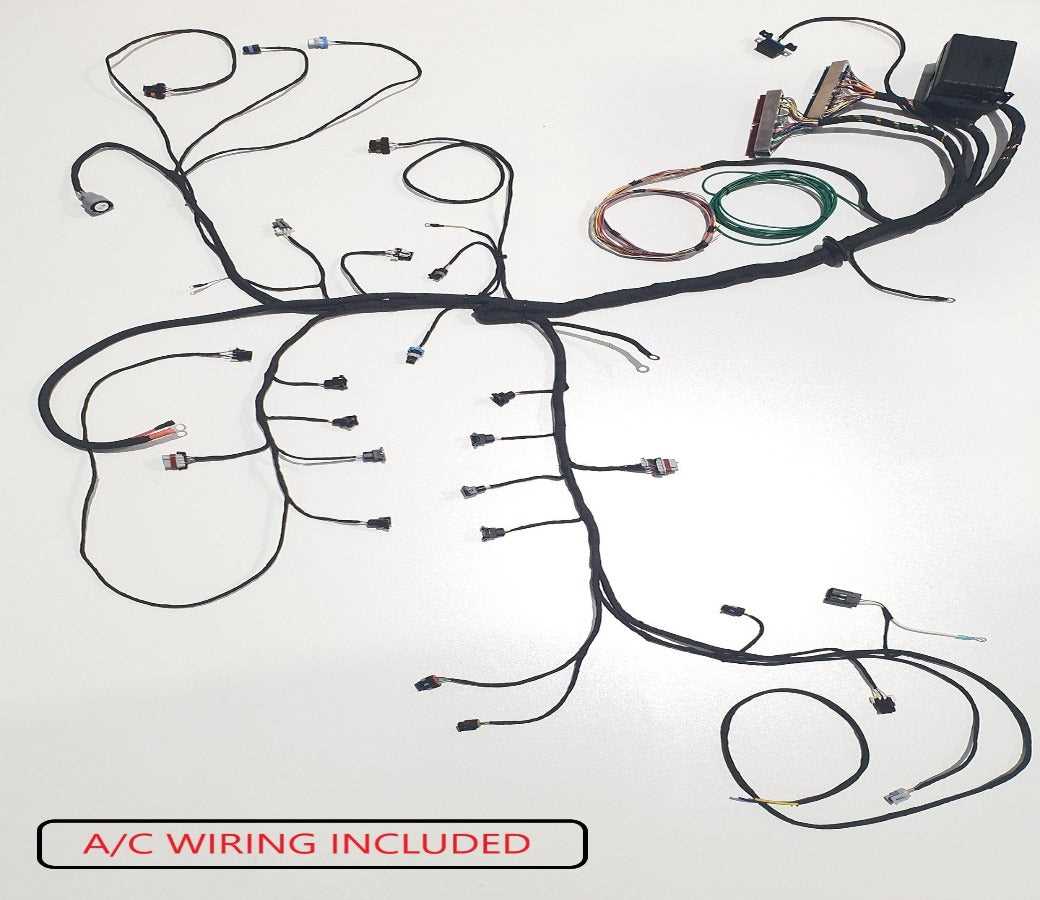
Start by labeling each terminal on the engine control module to correspond with crankshaft, camshaft, and injector pins. Accurate identification prevents misfires and sensor errors during startup. Use a multimeter to confirm continuity between the ECU pins and sensor connectors before making permanent connections.
Crank and cam position sensors are typically located near the front timing cover and rear of the cylinder head, respectively. Connect the signal and ground leads precisely according to the pin chart to maintain correct ignition timing and fuel injection sequences.
Injector terminals should match the cylinder they control. LS engines commonly have eight injectors arranged sequentially along the intake manifold:
- Front passenger side cylinder 1–4
- Rear driver side cylinder 5–8
Each coil pack also has dedicated pins for primary voltage and trigger signal. Confirm that the coil positive lead aligns with the switched ignition feed and that the trigger wire connects to the corresponding ECU output.
For coolant and temperature sensors, match the resistance specifications to the ECU input pins. Verify that the sensor leads reach the engine control module without stretching or exposure to moving components.
Oxygen sensors and exhaust gas temperature probes must connect to the correct downstream or upstream channels. Use a heat-resistant sleeve if routing the leads near headers or turbo piping to prevent insulation damage.
Finally, inspect all connectors for broken tabs or corrosion. Replace any damaged terminals and use dielectric grease to improve contact reliability. Secure leads with zip ties or routing clips to prevent vibration-induced disconnections during engine operation.