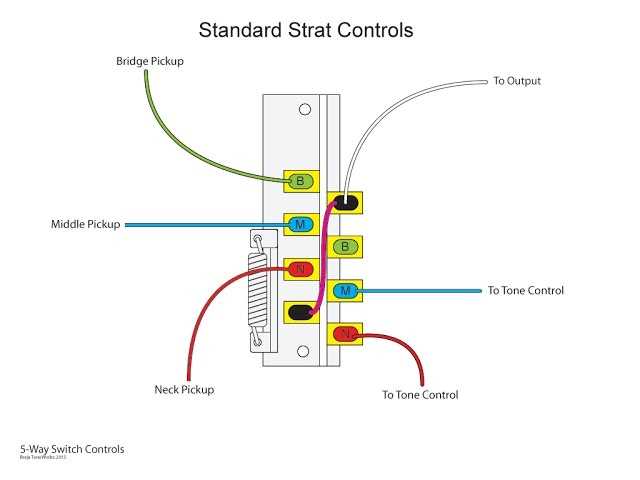
Use two end control units and three intermediate control units if a single lamp must be operated from five separate wall positions. The end devices contain a common terminal and two traveler terminals, while the intermediate units contain four terminals that cross-connect the traveler conductors. This arrangement allows the electrical path feeding the lamp to be redirected from several locations along a corridor, staircase, or large room.
The phase conductor from the power supply connects to the common terminal of the first end device. Two traveler conductors leave that device and pass through each intermediate control unit. Inside those units the travelers are either crossed or passed straight through depending on the lever position. The travelers continue to the final end device where the common terminal feeds the lamp lead.
Neutral from the power source connects directly to the lamp holder without passing through any wall control. Only the phase conductor travels through the chain of devices. Standard installations often use 14/3 or 12/3 cable between control boxes so that two traveler conductors and a grounding conductor remain available along the entire path.
Correct terminal identification prevents connection errors. End devices normally mark the common screw with a darker color such as black or bronze. Traveler terminals are usually brass. Intermediate units show paired terminals arranged in two rows, allowing the traveler conductors to cross internally when the toggle position changes.
Traveler Connections and Multi Location Lamp Control Using Five Wall Controls
Install two end control units and three intermediate units along the conductor path if a single ceiling lamp must be operated from five separate wall positions. The phase conductor enters the first end unit at its common terminal. Two traveler conductors leave that device and continue through every intermediate unit before reaching the final end unit that feeds the lamp lead.
Traveler conductors form the path that redirects the phase line depending on the lever position of each control unit. Inside intermediate devices the internal contacts either pass travelers straight through or cross them. This changes the electrical route feeding the lamp.
- Traveler conductor A leaving the first end unit connects to the first traveler terminal of the next device
- Traveler conductor B connects to the second traveler terminal along the same path
- Each intermediate device receives two travelers on one side and sends two travelers out on the opposite side
- The final end unit connects its common terminal to the lamp hot conductor
Neutral from the supply connects directly to the lamp holder and never passes through the wall controls. Ground conductors must be tied together inside each box and attached to the green terminal of every device.
- Phase from power supply → common terminal of the first end unit
- Two travelers routed through all intermediate devices
- Travelers reach the final end unit
- Common terminal of the final end unit → lamp hot conductor
- Neutral from supply → lamp neutral terminal
This arrangement allows the lamp to change state from any of the five control positions because each device alters the traveler path feeding the load.
Terminal Connections in a Five Position Lamp Control Setup with Two End Units and Two Cross Units
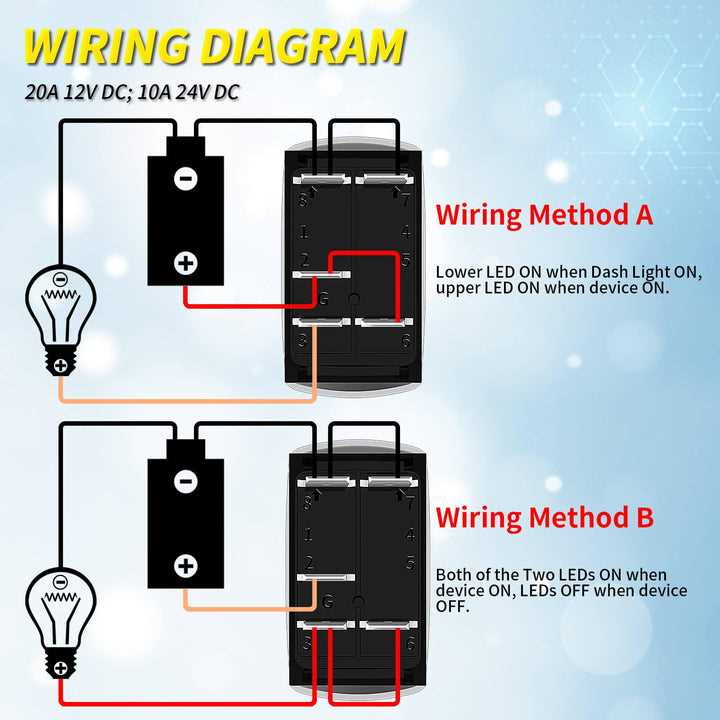
Connect the incoming phase conductor to the common terminal of the first end control unit. This terminal is usually darker than the others and often marked COM. From this point the electrical path can be redirected through traveler conductors that pass through the remaining devices before reaching the lamp.
Two traveler conductors leave the first end unit and connect to its brass terminals. These conductors carry the phase path between devices. A three-conductor cable with ground is commonly used so both travelers remain available throughout the entire control chain.
The next two devices in the sequence are cross-type control units containing four terminals. Each unit receives the two traveler conductors on one side and sends them out through two terminals on the opposite side. Inside these devices, the contacts either connect the travelers straight through or cross them depending on lever position.
Traveler conductor continuity must remain consistent between these cross units. The pair entering the first cross unit must leave toward the next device using the same conductor colors. Reversing the pair inside a box causes incorrect operation where certain lever combinations fail to control the lamp.
The final end control unit receives the traveler pair at its brass terminals. Its common terminal connects to the conductor feeding the lamp holder. When the internal contact links the common terminal with one of the travelers, the phase path reaches the lamp through the chain of devices.
Neutral from the supply connects directly to the lamp holder. It does not pass through any wall control unit. Ground conductors from every cable must be joined and connected to the green grounding screw of each device to maintain protective bonding along the entire installation.
Use clearly labeled conductors and maintain consistent color mapping between boxes. Mark the phase conductor entering the first end unit with black or red insulation tape if cable colors differ. Proper terminal placement and conductor identification prevent troubleshooting problems after installation.