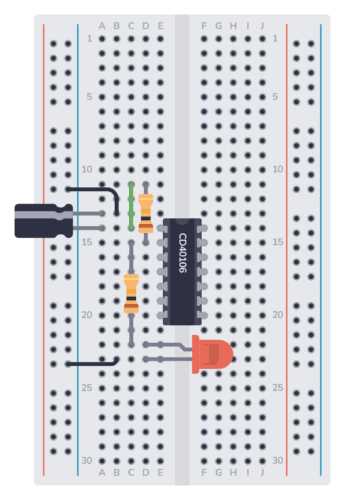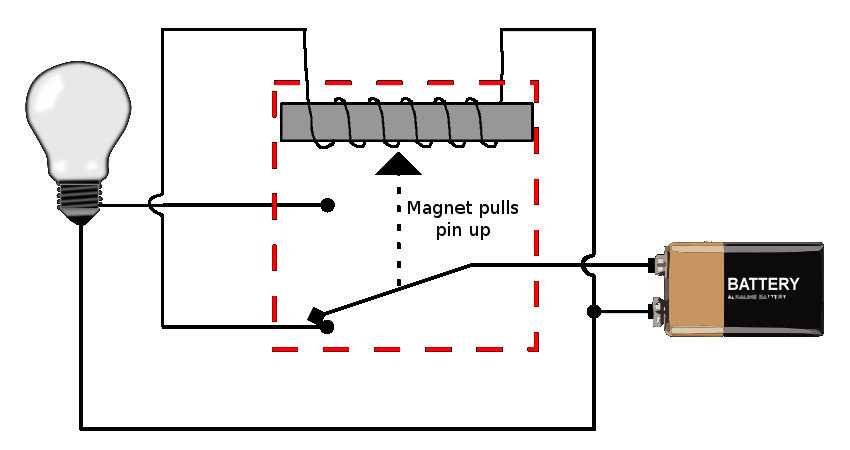
Use a small transistor and capacitor combination to produce a steady blinking effect for mini illumination modules. Select a 100μF capacitor and a 470Ω resistor to maintain a 1–2 second pulse interval for each diode.
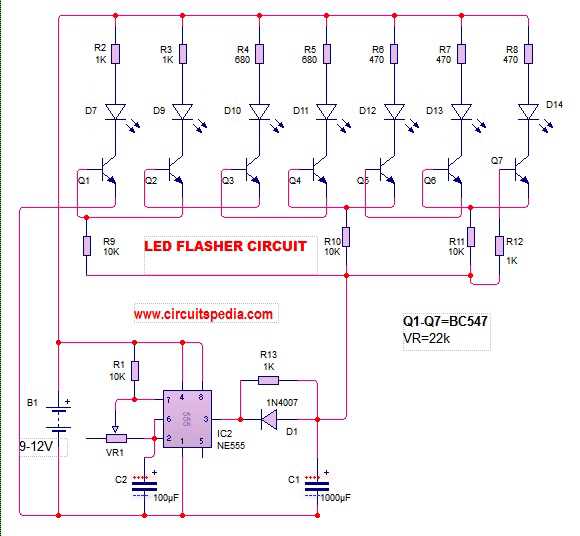
Power supply should provide 5–9 volts DC to prevent overheating components while ensuring consistent brightness. A regulated source minimizes voltage spikes that can disrupt timing patterns.
Arrange the modules in parallel with individual current-limiting resistors to avoid uneven illumination. Connecting multiple elements in series without adjustments can shorten lifespan or create irregular flashing.
Testing each section before final assembly helps identify weak connections or faulty semiconductors. Small variations in resistance or capacitance can significantly alter the pulse rate, so measure values precisely with a multimeter.
Pulse Lighting Assembly Guide
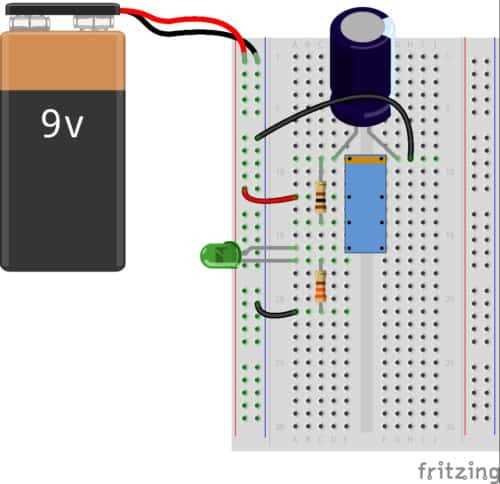
Use a 555 timer IC paired with a 10kΩ potentiometer and a 100μF capacitor to create a stable pulsing effect for small illumination modules. Adjust the potentiometer to control the blink interval precisely between 0.5 and 3 seconds per unit.
Follow these connection steps for reliable operation:
- Connect the positive rail to pin 8 of the timer and the negative to pin 1.
- Attach the capacitor between pins 6 and 1 to regulate charge cycles.
- Use a 470Ω resistor in series with each light emitter to limit current and prevent overheating.
- Test the output on pin 3 with a multimeter before soldering the final assembly.
Check each module individually for brightness consistency. Swapping components like transistors or adjusting capacitor values by small increments can fine-tune the pulse rate. Ensure all connections are secure to avoid intermittent flashes or irregular timing patterns.
Selecting Components for a Reliable Pulse Module
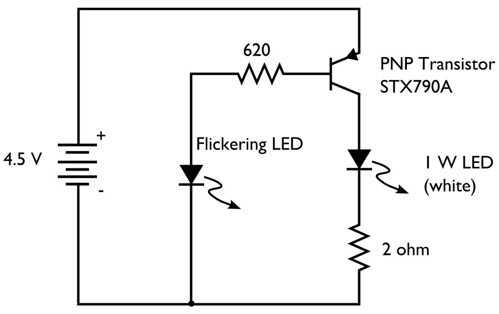
Choose transistors with a minimum current rating of 100mA to ensure consistent switching of miniature light emitters. Low-gain types can cause uneven brightness, so prefer medium-gain variants like BC547 or 2N2222.
Capacitors control the timing interval; a 100μF electrolytic capacitor produces roughly a 1-second pulse with a 10kΩ resistor. Adjusting capacitance between 47μF and 220μF changes the blink frequency noticeably.
Resistors in series with each emitter prevent overheating. A 470Ω resistor at 5V supply maintains safe current around 10mA for standard diodes, while higher voltages require recalculating the resistor value.
Potentiometers allow fine adjustment of pulse speed. A 10kΩ linear potentiometer gives smooth control over the charge and discharge cycle, enabling timing between 0.5 and 3 seconds per cycle.
Power sources must be stable; unregulated batteries can cause uneven illumination. Use a regulated 5–9V DC supply, ensuring all modules receive the same voltage to maintain synchronization.
Small ceramic capacitors (100nF–220nF) across the supply rails reduce noise and prevent false triggering of switching elements. Place them close to active components for maximum effect.
Test each component individually before assembly. Swapping low-quality resistors or capacitors often solves erratic flashing. Confirm transistor orientation and connections with a multimeter to avoid short circuits and inconsistent pulses.