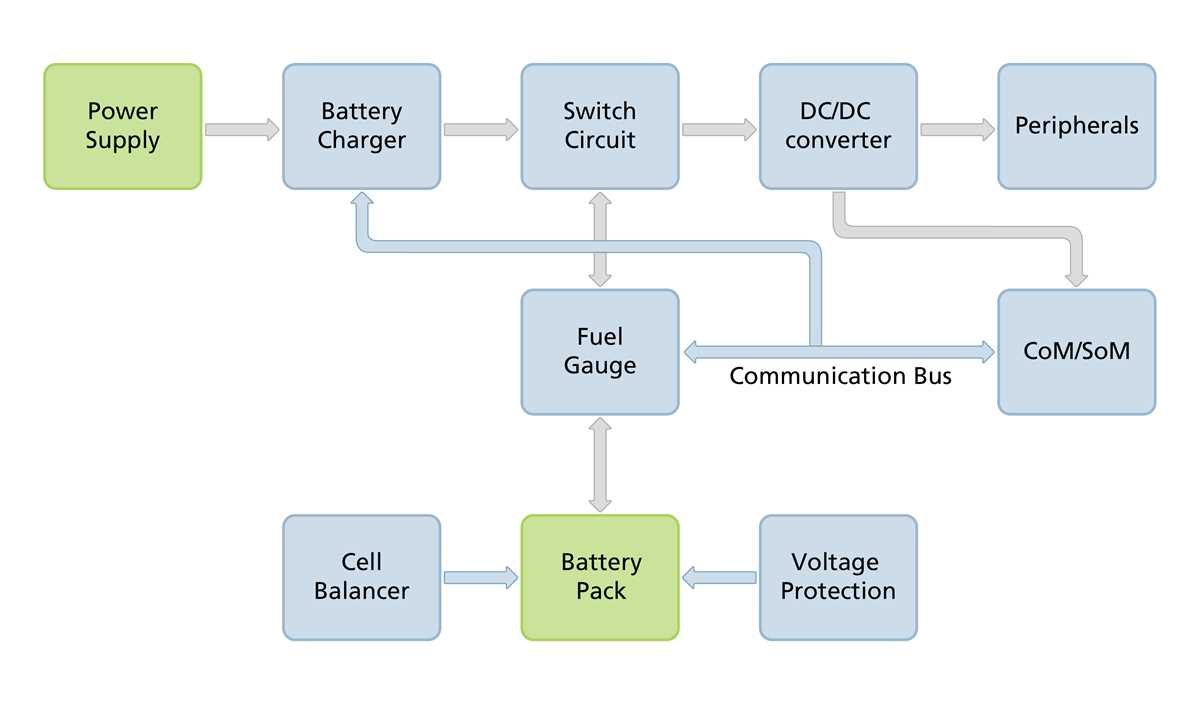
Ensure proper cell arrangement by matching voltage ratings and capacities when linking individual energy units. Incorrect alignment can lead to rapid depletion, imbalance, or overheating, so confirm series and parallel connections before integrating monitoring modules.
Incorporate voltage and current sensors at key points within the assembly to track charge levels and flow rates. Place shunt resistors for current detection and high-precision voltage dividers near each segment to maintain stable readings under varying loads.
Include protection and balancing components such as overvoltage clamps, temperature switches, and passive equalizers. These prevent localized stress and extend the operational life of the energy storage pack, while minimizing the risk of thermal runaway or premature degradation.
Energy Pack Monitoring and Protection Layout
Connect cells with matched voltage and capacity ratings to prevent uneven charge distribution. Use series arrangements for higher voltage and parallel links for greater capacity, verifying each junction with a multimeter before operation.
Install high-precision shunt resistors for current measurement at main input and output points. This allows accurate detection of overcurrent conditions and supports safe load management under dynamic usage.
Integrate voltage dividers near each module to monitor individual segment levels. This prevents overcharging or deep discharge of specific units, maintaining uniform energy distribution across the pack.
Use temperature sensors at multiple locations to track hotspots. Place thermistors close to high-resistance connections and inside the pack’s core to detect early signs of thermal stress.
Include protective switches and fuses to automatically disconnect segments under abnormal conditions. Select fast-acting fuses rated slightly above normal load to reduce the risk of damage while avoiding nuisance trips.
Balance energy between units with passive resistive shunts or small active regulators. This ensures each module reaches similar charge levels, extending operational life and preventing capacity drift over repeated cycles.
Document wiring paths and component placement in a clear schematic layout. Label each sensor, connector, and protective element to simplify troubleshooting, upgrades, or replacement, reducing maintenance time and errors.
Selecting and Connecting Cells for Stability
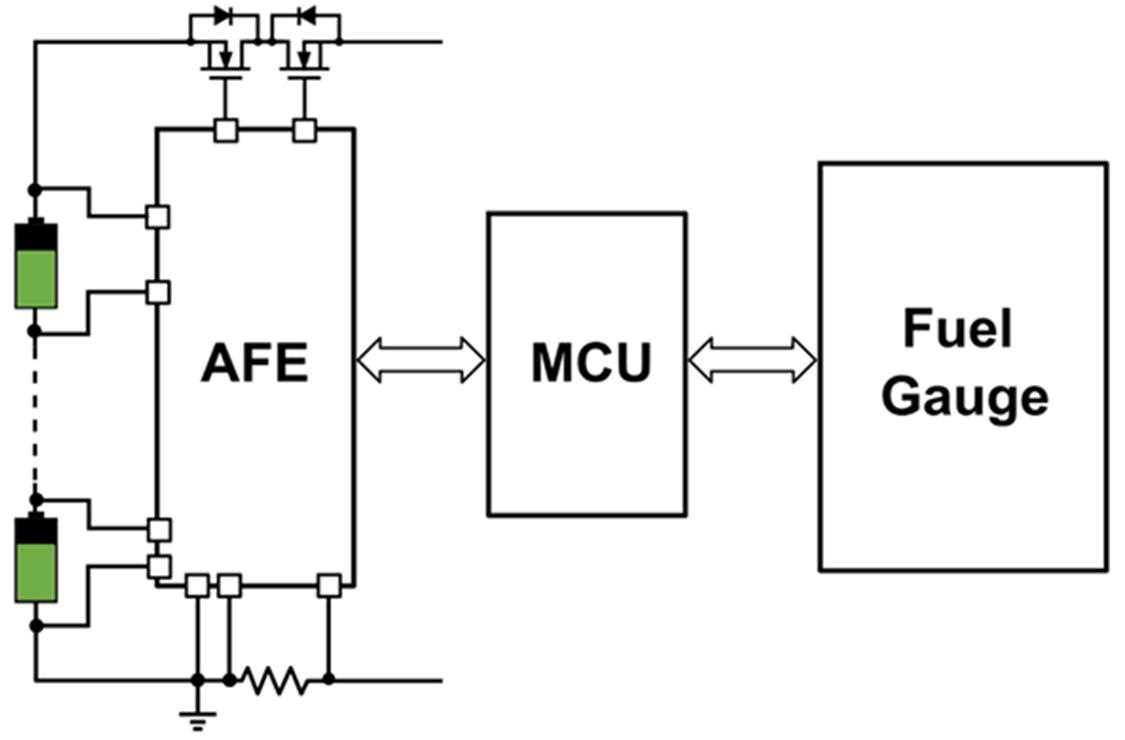
Match voltage ratings and capacity before linking individual energy units. Differences greater than 5% can cause imbalance, uneven depletion, and accelerated aging of weaker modules.
Prefer cells with low internal resistance to minimize heat generation under load. Measure each unit’s resistance with a precision meter and discard or reserve high-resistance modules for low-demand applications.
Arrange cells in series and parallel combinations to achieve desired voltage and capacity. Use series connections for higher voltage, ensuring each unit’s polarity is correct, and parallel links for increased ampere-hour capacity.
- Check connections with a multimeter for continuity and correct polarity.
- Use solder or high-quality mechanical terminals to reduce resistance.
- Secure wiring to prevent movement and shorts under vibration.
Perform initial charge and discharge cycles individually to confirm performance consistency. Monitor voltage drop and temperature rise during load testing to detect weak units.
Group cells with similar characteristics together rather than mixing old and new units. This maintains balance, reduces stress on stronger modules, and extends overall operational life.
- Label each module for easy identification.
- Document voltage, capacity, and resistance readings.
- Keep replacement units with matching specifications ready for future maintenance.
Ensure mechanical stability by using insulated holders or trays. Prevent direct contact between terminals and avoid compression or bending of units, as physical stress can cause internal damage and imbalance.