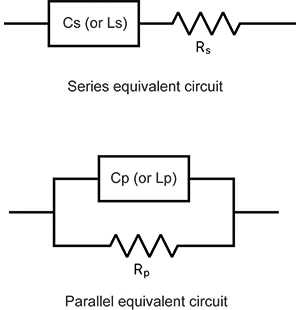
Connect resistors, capacitors, and inductors according to measured values to ensure accurate impedance comparison. Use a stable AC source at a known frequency for precise readings.
Verify all connections with a digital multimeter before energizing the assembly to prevent measurement errors and component damage.
Balance the network by adjusting variable resistors or capacitors until the detector shows minimal voltage, indicating equal potential across comparison points.
Use shielded wires for all high-impedance paths to reduce interference. Maintain consistent reference points for all readings to improve reproducibility across multiple measurements.
Record all adjustments systematically, noting initial and final settings for each component. This ensures repeatable results when testing similar networks or replacing components.
LCR Bridge Circuit Construction and Testing Guide
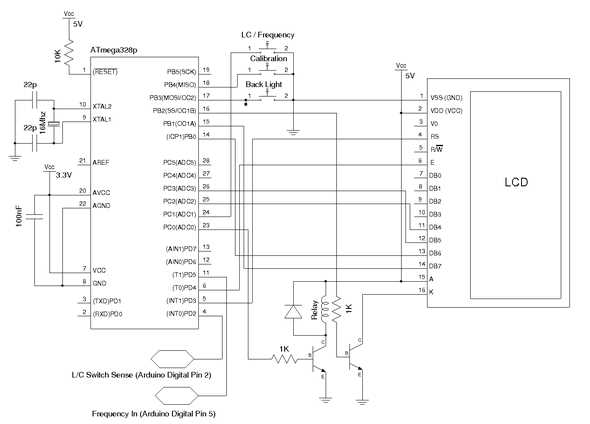
Assemble the measurement network on a stable, non-conductive platform, ensuring all passive elements are securely mounted. Use precision resistors and capacitors for calibration, and connect a reliable AC source with a known frequency to the input terminals. Shield high-impedance paths with insulated wires to minimize interference.
Test the setup by gradually adjusting variable elements while monitoring the null detector. Record the values where the detector shows minimal voltage, indicating balanced conditions. Repeat measurements for multiple frequencies to verify consistency and document all settings for future reference.
Step by Step Assembly of LCR Bridge Components
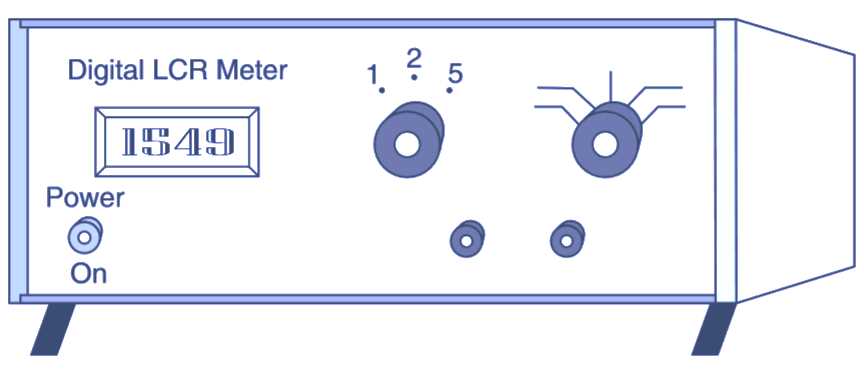
Begin by laying out all passive elements on a stable non-conductive surface. Identify resistors, capacitors, and inductors, and group them according to nominal values for easier installation.
Mount precision resistors first, connecting one end to the designated input node. Ensure tight connections and avoid loose leads that can affect measurements.
Install capacitors next, observing polarity if electrolytic types are used. Use short, insulated wires to reduce stray capacitance and maintain signal integrity.
Position inductors carefully, keeping them away from other components to prevent magnetic coupling. Secure each element firmly to avoid vibration during operation.
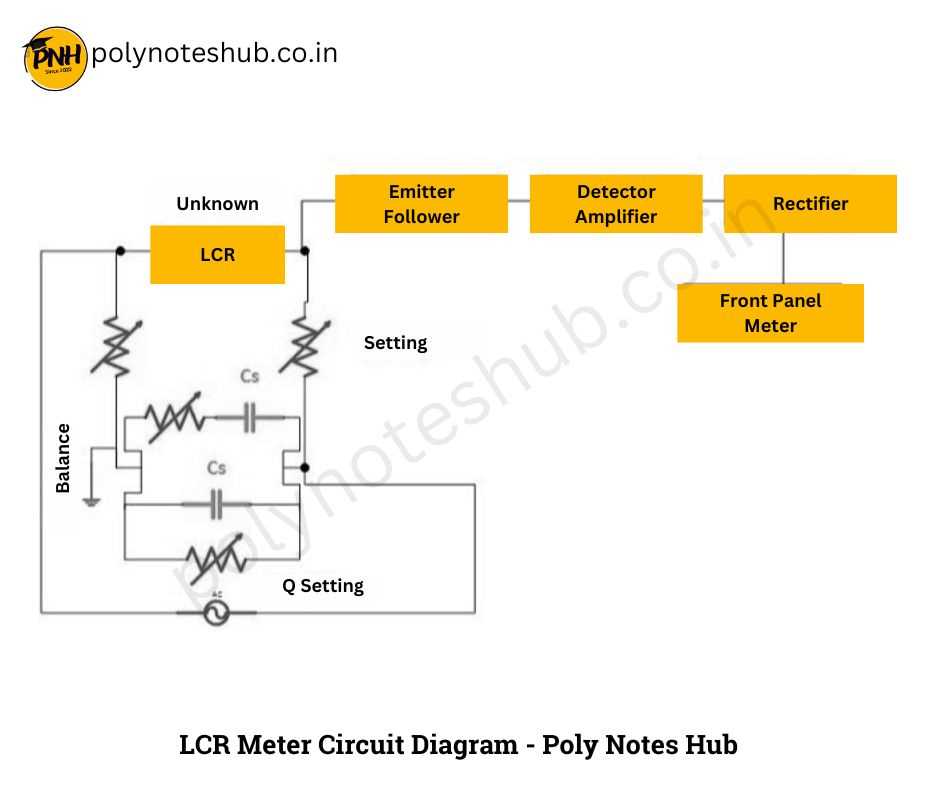
Connect the variable components, such as adjustable resistors or capacitors, using insulated terminals. Test the movement and ensure smooth adjustments without mechanical interference.
Perform a preliminary continuity and resistance check on all paths before applying an AC signal. Verify all connections are correct, document component positions, and make any necessary adjustments for balanced operation.