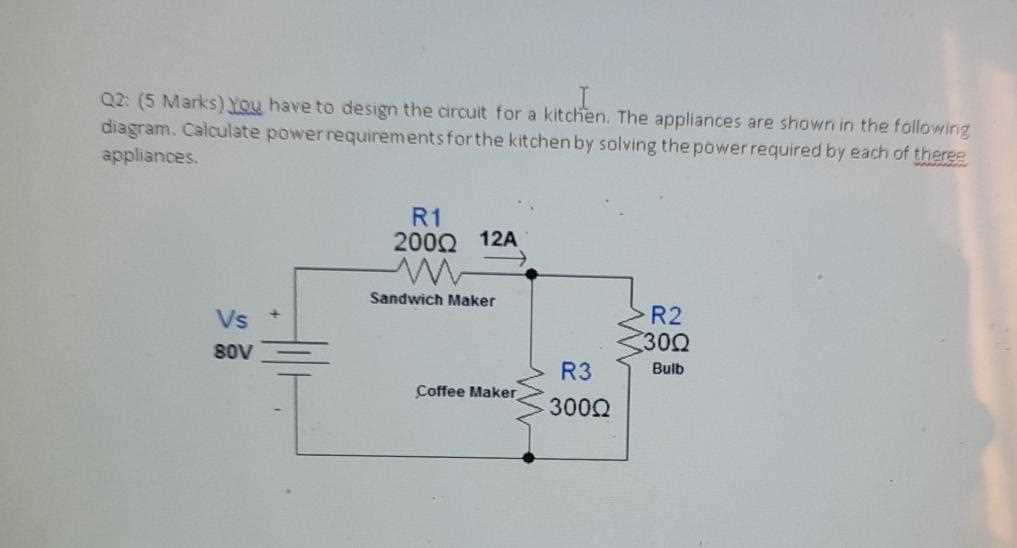
Plan separate electrical lines for high-power appliances before drawing the wiring layout. Refrigerator, electric oven, dishwasher, and microwave usually require individual breakers in the distribution panel. Typical ratings include 15–20 amps for a refrigerator, 20 amps for a dishwasher, and 30–50 amps for an electric range depending on model specifications.
Place countertop receptacles along the wall every 1.2 meters according to common residential electrical standards. These outlets normally operate on 20-amp small appliance branch lines and must include GFCI protection. The connection scheme should show the path from the service panel through cable runs to each receptacle box positioned above the countertop surface.
Lighting fixtures use a separate branch path from appliance loads. Ceiling luminaires, pendant lights above an island, and under-cabinet LED strips typically share a 15-amp line controlled by wall switches. The wiring plan should clearly mark switch loops, junction boxes, and the route of conductors between fixtures.
Use copper cable sized according to breaker rating and load demand. For example, 12-gauge conductors are common for 20-amp appliance lines, while 14-gauge wire suits many lighting runs protected by a 15-amp breaker. A clear electrical layout drawing that shows breaker allocation, conductor paths, and outlet placement helps prevent overload, nuisance trips, and unsafe connections.
Kitchen Circuit Diagram Layout for Outlets Lighting Breakers and Major Appliances
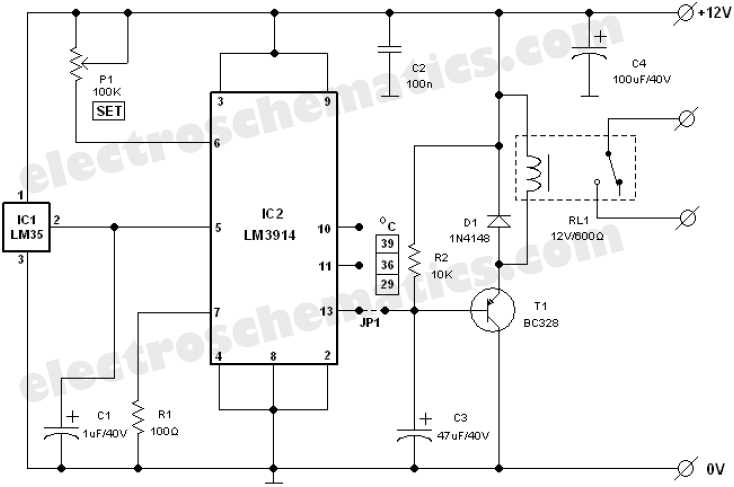
Assign separate breaker lines for high-load equipment and countertop receptacles. Typical residential electrical plans divide loads across several branch paths from the service panel. Common allocation includes:
- 20A line for countertop receptacles with GFCI protection
- 15A or 20A line dedicated to refrigerator
- 20A line for dishwasher and garbage disposal
- 40–50A double-pole breaker for electric range or cooktop
- 15A line for ceiling fixtures and cabinet lighting
Place receptacles above the countertop every 120 cm and keep them no more than 30 cm below the cabinet edge if mounted under cabinets. Lighting runs usually connect through wall switches controlling ceiling luminaires, island pendants, and LED strips installed beneath cabinets. Copper conductors sized 12 AWG for 20-amp lines and 14 AWG for 15-amp lighting runs appear in most residential electrical layouts. The electrical plan should clearly show breaker positions in the distribution panel, conductor routes through wall cavities, junction box locations, and grounding paths connecting every receptacle and appliance housing.
How to Plan Separate Circuits for Refrigerator Oven Dishwasher and Microwave
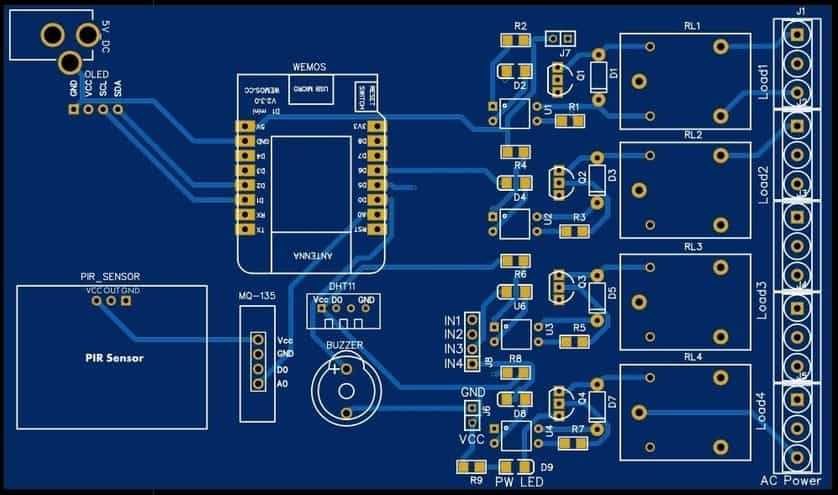
Install a dedicated electrical line for each major appliance that draws continuous or high current. Independent breaker protection prevents overload when several devices operate simultaneously. The service panel should allocate separate branch paths for refrigerator, electric oven, dishwasher, and microwave unit.
Refrigerator supply line usually runs on a 15A or 20A breaker using 14 AWG or 12 AWG copper conductors. The outlet is placed behind the appliance or inside the adjacent cabinet. This dedicated feed prevents voltage drops that could interrupt compressor operation during startup.
Electric oven or range requires the highest capacity connection in this area of the home. Many models operate on 240 volts with a double-pole breaker rated between 40A and 50A. The conductor set often includes 6 AWG or 8 AWG copper depending on the appliance rating plate.
Dishwasher typically uses a 20A branch path with 12 AWG conductors. Some installations share this line with a garbage disposal through a dual outlet under the sink controlled by a switch or air-gap control device. Grounding conductors must attach to the metal chassis of the appliance.
Microwave unit mounted above a range usually connects to a 20A breaker and a dedicated receptacle located inside the upper cabinet. Countertop models may share the small appliance outlet network, though many installers prefer a separate feed to prevent nuisance breaker trips.
Route each cable from the distribution panel through wall cavities to its destination box while maintaining grounding continuity. Label breakers clearly so each appliance can be isolated during maintenance or replacement.