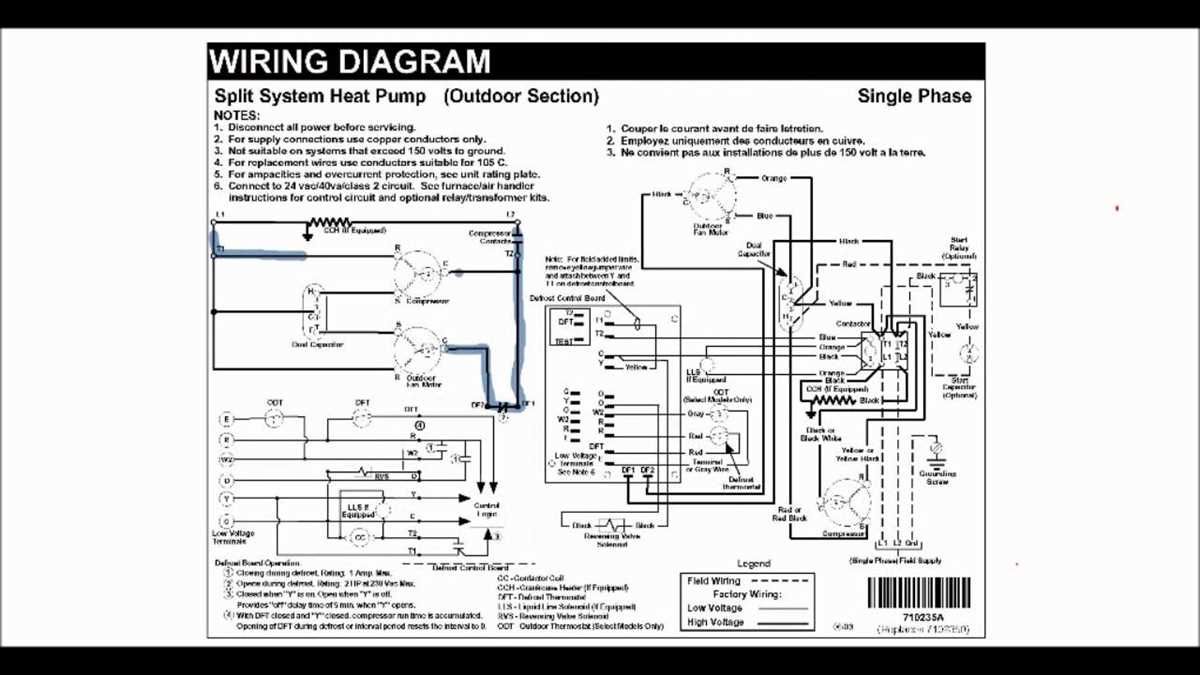
Check the thermostat terminals and identify each conductor before disconnecting anything from the control board. Residential climate control systems typically use low-voltage 24-volt control lines that link the thermostat, furnace or air handler, and the outdoor condenser. Misplaced conductors may stop heating, cooling, or fan operation.
The thermostat cable often contains five to eight colored conductors. Common assignments include R for 24-volt supply, C for common return, Y for compressor control, G for blower fan, and W for heat call. These lines connect directly to the control board inside the furnace cabinet, where relays activate the blower motor, gas valve, or compressor contactor.
Outdoor condensing units usually receive the compressor signal through the Y conductor paired with the C return line. When the thermostat calls for cooling, the control board sends 24 volts across this pair to energize the contactor coil in the condenser. The contactor then closes the high-voltage path feeding the compressor and condenser fan motor.
Verify each terminal with a multimeter during troubleshooting. A heating call should produce about 24 volts between W and C, while a cooling request shows the same voltage between Y and C. Tracking these signals across the control board and thermostat cable helps locate broken conductors, loose terminals, or failed relays inside the climate control equipment.
HVAC Wiring Diagram With Thermostat Connections and Control Board Terminals
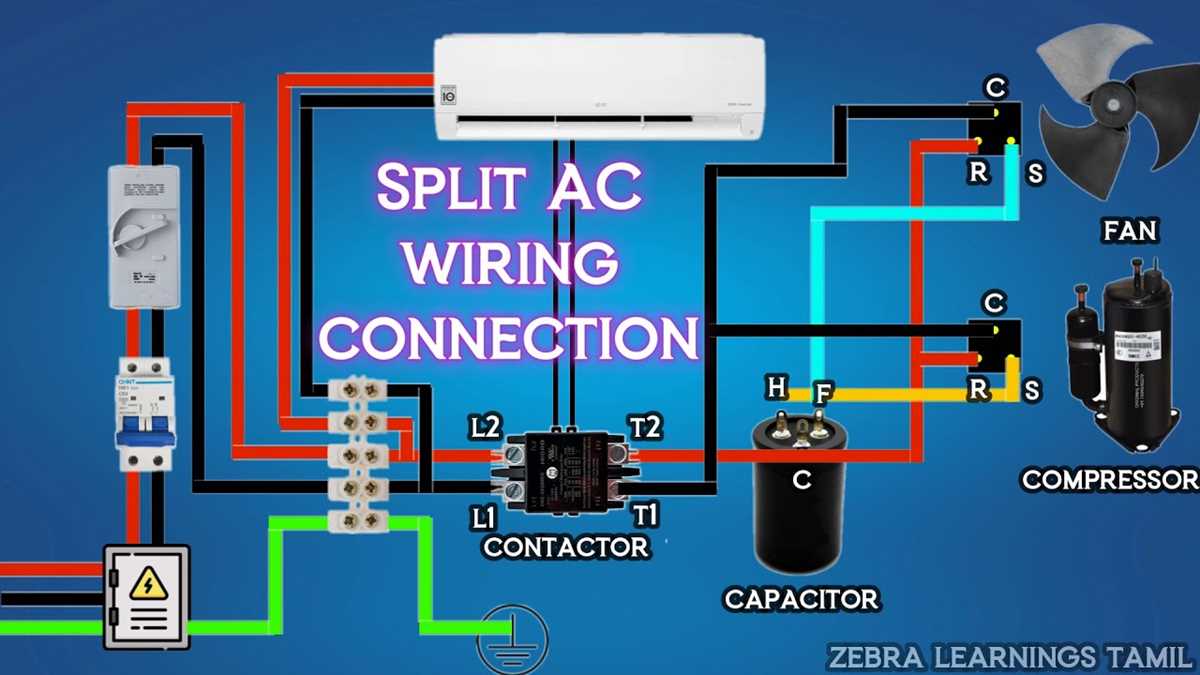
Connect the thermostat cable to the furnace control board using the standard 24-volt terminal layout. The red conductor usually lands on R, delivering the control voltage from the transformer. The C terminal acts as the common return and often uses a blue or black conductor. Cooling requests travel through the yellow lead to the Y terminal, which routes the signal toward the outdoor compressor contactor. The indoor blower is triggered through G, typically linked to a green conductor, while heating calls use the W terminal, frequently connected with a white lead. Tight terminal screws and clearly labeled conductors reduce troubleshooting time later.
Inside the furnace cabinet, the control board distributes these low-voltage signals to relays and safety switches. When the thermostat calls for cooling, voltage appears between Y and C, energizing the condenser contactor coil outside. A heating request produces about 24 volts between W and C, activating the gas valve and ignition sequence. The blower relay responds to the G signal, allowing manual fan operation from the wall controller. Tracing each conductor from thermostat terminals to the board connectors helps identify loose connections, damaged insulation, or incorrect terminal placement during system service.
Thermostat Wire Color Codes and Terminal Labels in HVAC Systems
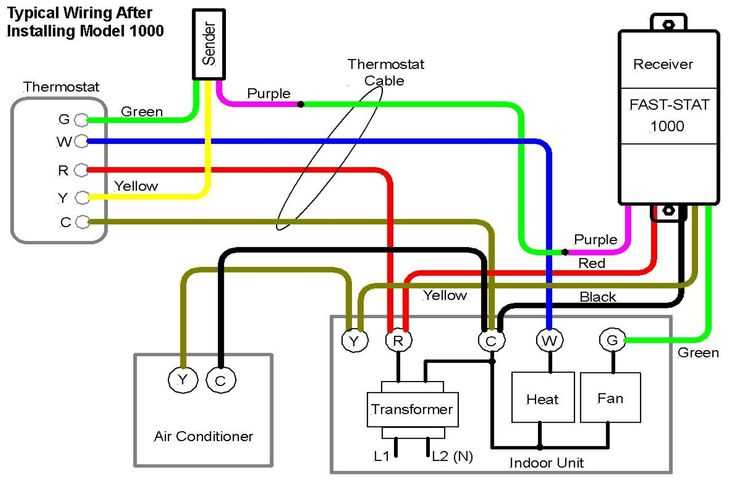
Match each thermostat conductor to the correct terminal marking before attaching it to the control board. Residential climate control equipment usually operates with a 24-volt control transformer, and each colored lead carries a specific signal between the wall controller and the furnace or air handler.
Common Thermostat Conductor Colors and Terminal Letters
- Red → R terminal – delivers 24-volt control voltage from the transformer.
- Blue or Black → C terminal – common return path used by smart thermostats and outdoor units.
- Yellow → Y terminal – compressor contactor signal for cooling operation.
- Green → G terminal – indoor blower fan relay control.
- White → W terminal – heating request sent to the furnace ignition control.
- Orange → O terminal – reversing valve activation in heat pump equipment.
Confirm conductor identity with a multimeter when colors do not follow the usual scheme. Measure between R and C; a reading near 24 volts shows the transformer output is present. A cooling request places the same voltage between Y and C, while a heating request appears between W and C. These measurements confirm signal paths between thermostat terminals and the furnace control board.
Heat pump installations may add extra conductors beyond the standard five. Typical connections include O or B for the reversing valve, AUX or W2 for auxiliary heat strips, and E for emergency heat activation. Correct terminal placement ensures the indoor air handler, outdoor compressor, and auxiliary heaters respond to the thermostat commands without relay misfires or compressor lockouts.