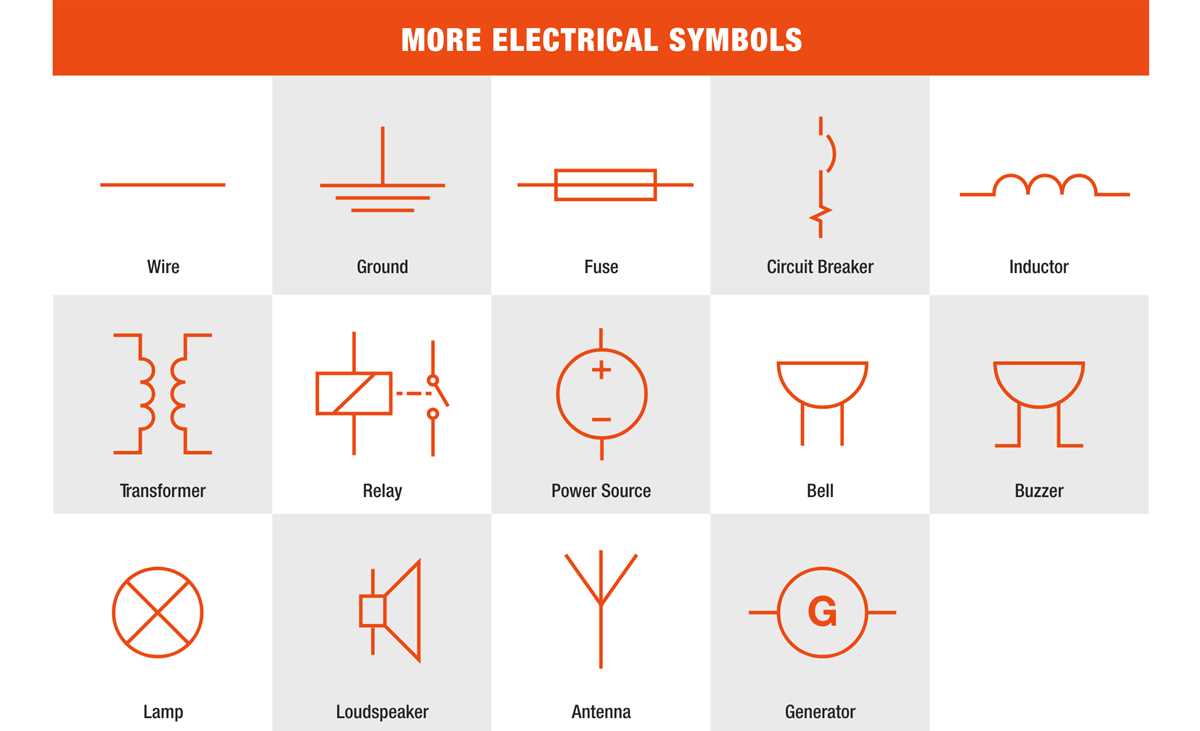
Identify each symbol and match it to its corresponding device. Common representations such as resistors, capacitors, and transistors have standardized shapes; knowing these allows immediate recognition of their function in the system.
Follow the flow of current along the designated paths. Trace from input points to output nodes, noting intersections and junctions where multiple elements converge. This clarifies dependencies between components and highlights potential areas for voltage drops or signal delays.
Cross-check component values and ratings against operational requirements. Verify resistor ohms, capacitor microfarads, and transistor voltage limits to ensure the schematic supports the intended performance without overloading any element.
Use layer-based observation to isolate sections of the layout. Segment power lines, control signals, and ground connections to simplify analysis. Focusing on one functional block at a time reduces complexity and prevents misinterpretation of interconnected pathways.
Practical Guide to Understanding Electronic Layouts and Component Connections Accurately
Start by labeling all terminals and nodes according to their voltage or signal function. Use a consistent color code for positive, negative, and control lines to avoid confusion when analyzing overlapping paths.
Follow each conductor from source to load, checking for series and parallel configurations. Series paths affect total resistance, while parallel branches can alter current distribution significantly.
Mark components with their precise ratings directly on the layout. Indicate resistor ohms, capacitor microfarads, and transistor voltage limits near each symbol to maintain clarity during troubleshooting.
Separate signal paths from power delivery lines to reduce misinterpretation. Keep ground and reference lines visually distinct with bold or dashed indicators to track return paths accurately.
Examine junctions carefully where multiple elements meet. Look for continuity marks or bridging indicators to confirm whether connections are intentional or isolated by design gaps.
Cross-reference layout segments with datasheets to confirm pin assignments and orientation. Incorrect assumptions about component direction can cause functional errors or damage sensitive devices.
Document any modifications or deviations directly on the layout. Use arrows or numeric labels to highlight swapped connections, added resistors, or bypassed paths to maintain a clear operational record.
Finally, simulate or test small sections before energizing the full assembly. Measuring voltage at key nodes validates connections and ensures components interact as expected under load conditions.
Recognizing Standard Symbols and Their Functional Roles
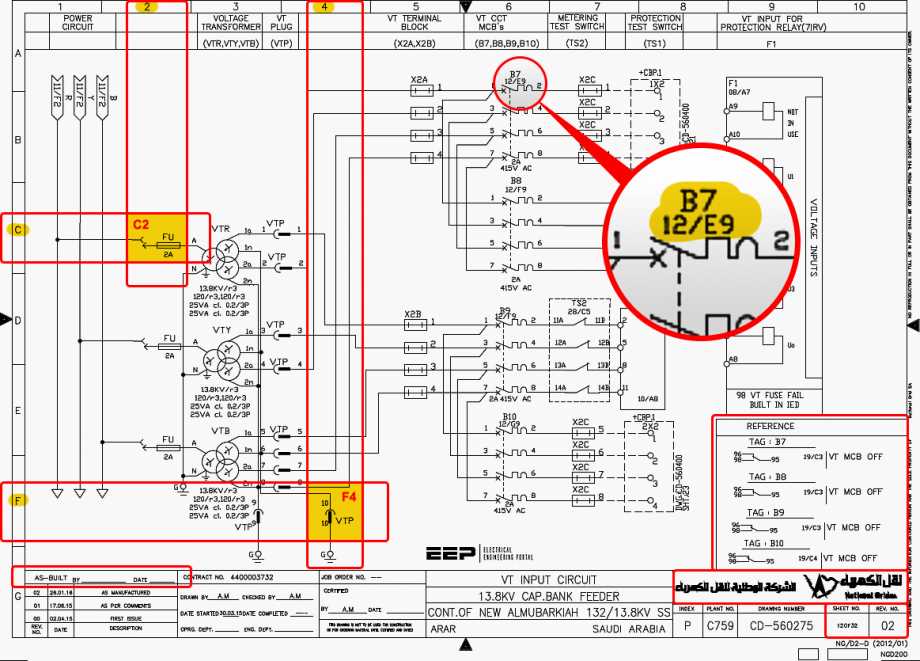
Identify resistor symbols first by noting the zigzag or rectangular line. Recognize their function in limiting current flow and dividing voltage across components. Confirm values by adjacent numeric labels in ohms.
Capacitor symbols are marked with parallel lines or a curved line paired with a straight line. Determine the role of each component as storing and releasing energy in alternating or direct voltage paths, and verify polarity for electrolytic types.
Diodes use a triangle pointing to a line to indicate direction of current. The triangle shows the anode and the line the cathode. Use this to confirm forward bias orientation and ensure correct signal or power control.
Transistors appear as circles with three connections: emitter, base, and collector. Identify PNP or NPN types by arrow direction on the emitter. Their function is switching or amplifying current in specific branches.
Switches are drawn with a break in the line or an angled lever. Recognize single-pole, double-throw, and push-button types by their symbol variants. These control connection and interruption of flow in selected paths.
Ground symbols vary: a set of horizontal lines diminishing in length, or a triangle pointing down. Use these indicators to locate reference potential points and confirm return paths for voltage measurements.
Integrated components, like op-amps or ICs, are represented by rectangles with pin numbers. Cross-reference each pin function using datasheets to identify inputs, outputs, and power connections for proper signal routing.
Fuse and protection devices use symbols like a line with a loop or a rectangle with diagonal marking. Recognize their role in preventing overloads, and verify location relative to sources and loads for accurate protection planning.